“The Best Since Plant”: The Only Singer Jimmy Page Truly Praised After the 1970s

jimmy page

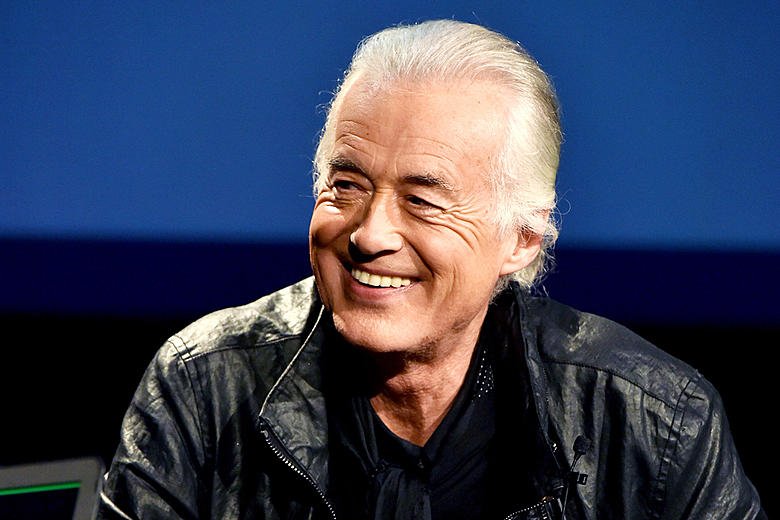
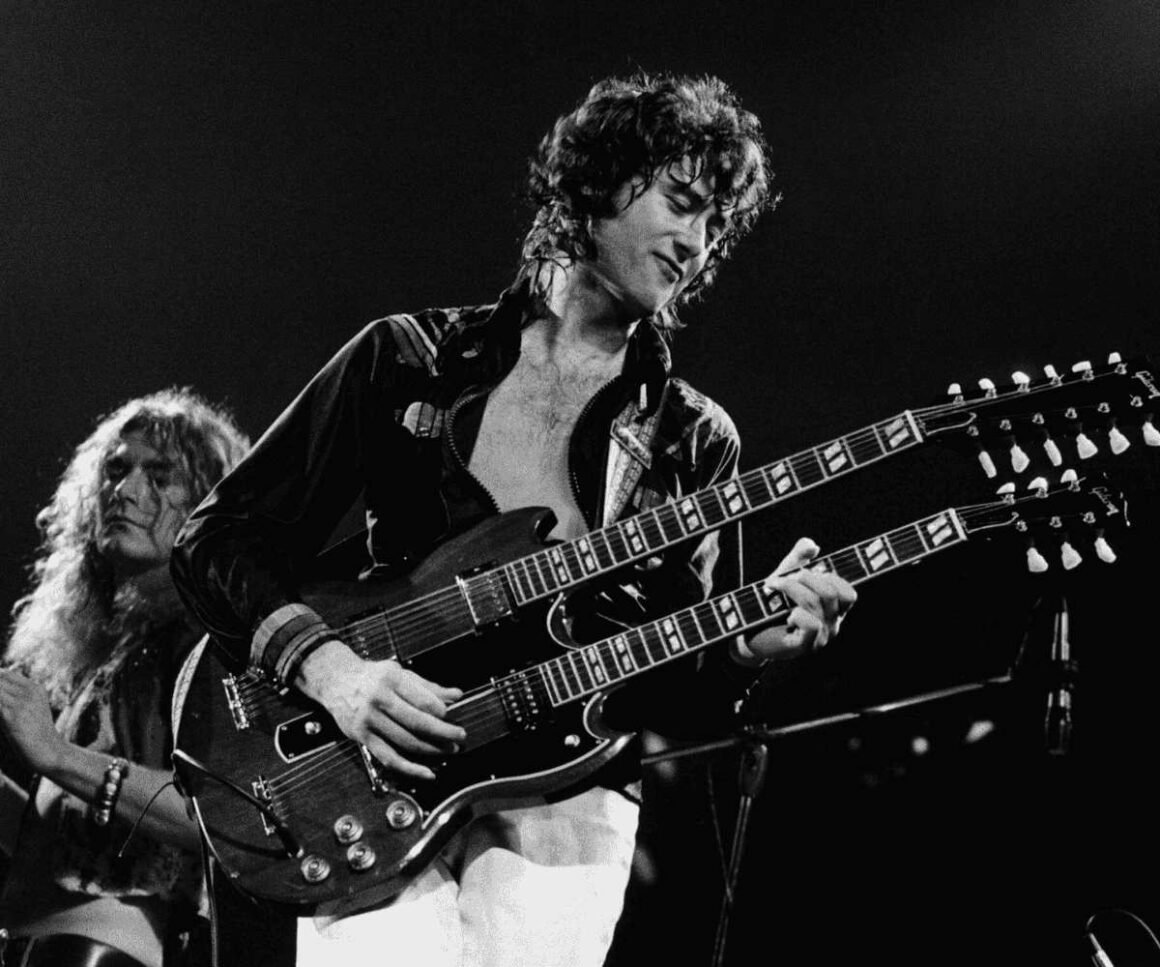
Trying to define Jimmy Page is like trying to catch lightning in a bottle. He’s not just a guitarist—he’s a visionary, a sonic architect who reshaped the very landscape of rock music. If you had to sum him up in a single word, it would be versatile.

From his earliest days, Page chased music that stirred his soul. Like many of his peers, he began by soaking up the sounds of blues and R&B legends. But he didn’t stay there long. His time as a session musician in the 1960s exposed him to a vast range of styles—from skiffle to psychedelia, orchestral pop to experimental rock. It sharpened his skills and expanded his imagination. When it came time to build Led Zeppelin, Page knew exactly what he wanted: a band that could do everything.

He called it “light and shade”—a dynamic musical philosophy that embraced the brutal and the beautiful, the electric and the acoustic. Led Zeppelin didn’t just hammer out riffs; they wandered through folk ballads, Eastern melodies, and mystical textures. Page’s guitar wasn’t bound to one genre—it bent genres to his will.

And he didn’t do it alone. John Bonham brought thunder. John Paul Jones added texture and discipline. And Robert Plant? With that untamed, golden voice, Plant gave Page the freedom to explore any musical path, knowing his frontman could follow.

But even as the Zeppelin years passed into legend, Page kept his ears open. He never stopped searching for voices—the kind that carried real weight, emotion, and range. And when Jeff Buckley emerged in the 1990s, Page heard something hauntingly familiar.

Buckley’s 1994 album Grace didn’t sound like Led Zeppelin, but it echoed the same spirit of musical freedom. Buckley moved seamlessly from raw rock energy to fragile ballads, all while wielding one of the most powerful and expressive voices of his generation.

Page was mesmerized.

“Probably, he was the best singer that appeared in—I’m not being liberal about this—about two decades,” Page once said. That’s high praise from the man who helped launch one of rock’s most iconic vocalists.

In Buckley, Page saw a kindred spirit—an artist who refused to be boxed in, who let emotion drive every note. For the man who once redefined rock with light and shade, hearing Buckley must have felt like hearing his own legacy carried forward.

0 Shares:
Leave a Reply

Your email address will not be published. Required fields are marked *

You May Also Like
Elvis
Read More

“I never thought I’d hear anyone do this song justice except Elvis himself,” one fan gasped, eyes wide like they’d just seen a ghost. But then Michael Bublé walked out, grabbed the mic, and the whole room shifted. The moment he launched into Trouble and All Shook Up, it was clear—this wasn’t just another cover. Bublé didn’t try to copy Elvis; he felt him. He mixed the King’s fire with his own smooth, soulful punch, turning a classic into something fresh and alive.

Michael Bublé – Elvis Presley Tribute: “Trouble” & “All Shook Up” (Live in Sydney 2023) During his Higher Tour stop…
Reba McEntire And Dolly Parton
Read More

A singer marked Dolly Parton’s birthday in the most heartfelt way—by stripping everything back and delivering a stunning cover in Cymraeg that stopped listeners in their tracks. What could have been a simple tribute turned into something deeply personal, as the familiar melody took on new life through the Welsh language. The performance felt warm, honest, and full of respect, like a quiet thank-you to a legend who’s touched so many lives. Fans were quick to react, calling it beautiful, unexpected, and emotional—proof that Dolly’s music can cross languages, borders, and generations without losing its soul.

Ella Groves In honour of Dolly Parton’s 80th birthday a Welsh singer has shared her cover of Dolly’s…
Il Volo
Read More

Il Volo didn’t just walk onto the Eurovision stage that night — they arrived like a wave of warm Italian air. The first note of “Grande Amore” felt like someone opened a window and let in all the fire, the beauty, and the quiet pride of Italy. Their voices rose so powerfully that the whole arena seemed to hold its breath, then burst open when the three of them blended together in a way that didn’t even feel real. You didn’t need to understand Italian to feel the heart inside every word. It wasn’t just a performance. It was a moment that reminded millions how music can pull strangers into one shared heartbeat.

IL VOLO’s Unforgettable “Grande Amore” Performance at the Eurovision Grand Final When IL VOLO stepped onto the Eurovision…
Il Volo
Read More

THIS WASN’T A PERFORMANCE — IT WAS A ONCE-IN-A-LIFETIME MOMENT. From the very first note of “We Are the World,” something in the room shifted. Il Volo didn’t play to the crowd — they played to each other. Three voices, three breaths, one heartbeat. The first voice broke the silence, soft and deliberate. The second rose with power that landed square in the chest. The third wrapped around them both, warm enough to make the whole room inhale at once. The energy changed. People who had been filming slowly lowered their phones. Conversations dissolved. Bodies stilled. Eyes shined. Il Volo wasn’t trying to impress anyone. They were opening something. And the audience felt it — you could see shoulders relax, jaws tighten, tears flicker in the lights. By the final chorus, no one was simply listening. The room was holding its breath. Still. Full. Connected.

“THE SONG THAT TURNED A ROOM INTO A MEMORY.” What Il Volo created last night wasn’t a show…