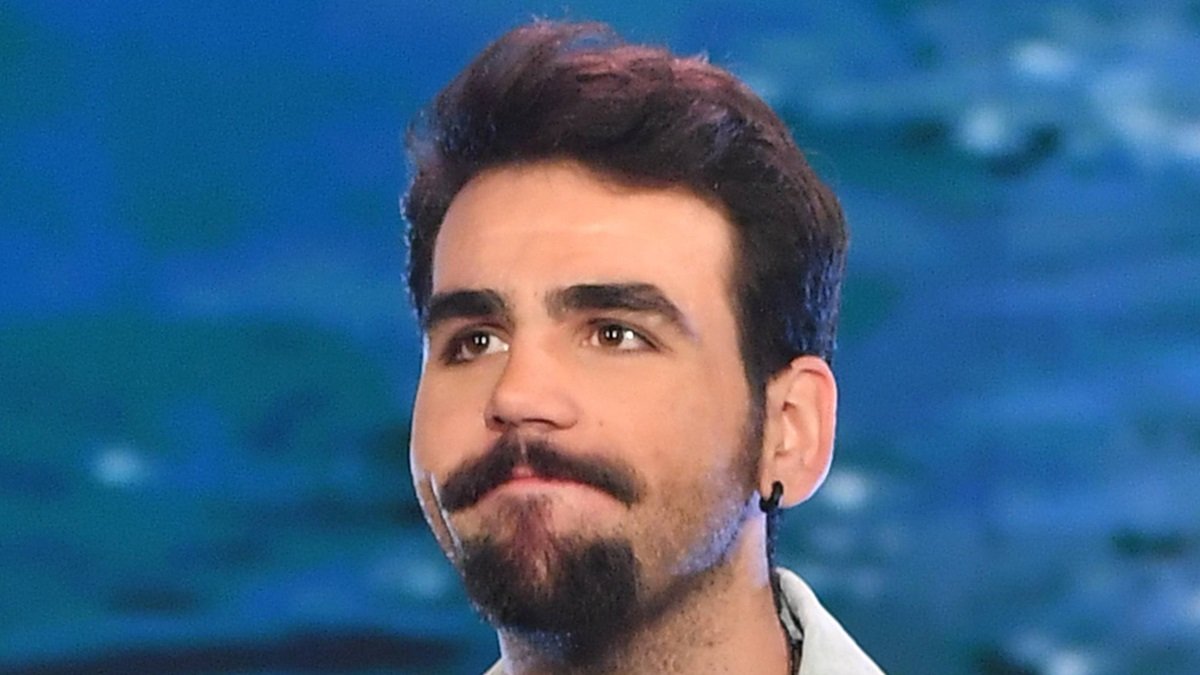
For most audiences, the magic of a concert ends with the final note. The applause fades, the lights come up, and the performers disappear backstage. But for Ignazio Boschetto, the end of a show once marked the beginning of something deeply personal.
For years, after every performance with Il Volo, Boschetto followed the same routine. While the energy of the stage still lingered, he would step away from the noise, find a quiet corner, and make a phone call. On the other end of the line was his father.
It wasn’t a long conversation. There were no detailed breakdowns of the performance, no critiques or technical discussions. Instead, there was just one simple question: “Did you hear it?” It was a ritual built not on analysis, but on connection—a moment that grounded the singer after the intensity of performing.
Over time, that small exchange became part of the rhythm of his career. More than 1,000 shows came and went, but the call remained constant. It was a thread tying each performance together, a quiet affirmation that someone important was always listening.
But now, that ritual has come to an end.
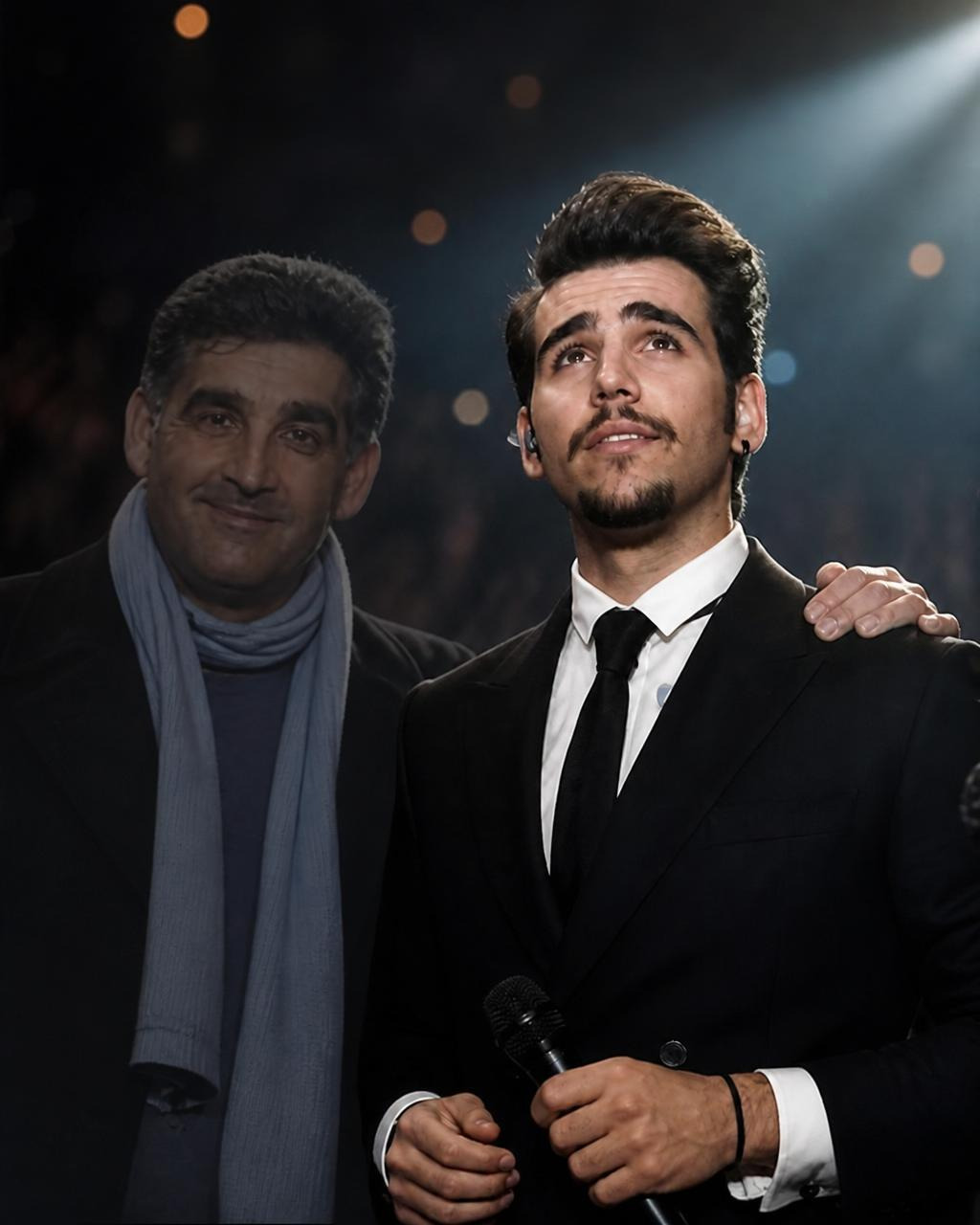
In recent performances, fans have started to notice something different. It’s not dramatic or immediately obvious. In fact, it’s easy to miss if you’re not paying close attention. Just before the first note, Boschetto pauses—briefly, but deliberately. It’s a moment that didn’t used to exist.
For some, the pause feels like a space filled with memory. A silent acknowledgment of what once was. For others, it carries a sense of uncertainty, as though the absence of that familiar call has left something unresolved.
Then there’s the way he looks upward just before he begins to sing. It’s not exaggerated or theatrical. It’s subtle, almost instinctive. But for those who have followed his journey, it’s hard not to read meaning into it.
Live music often reveals more than the songs themselves. Beneath the polished performances and rehearsed harmonies, there are glimpses of the person behind the voice. Small gestures—like a pause, a glance, a breath—can carry stories that words never fully explain.
In Boschetto’s case, the shift is both deeply personal and quietly universal. Many people understand what it means to lose a ritual that once brought comfort. The absence of that routine doesn’t erase its significance; if anything, it can make its presence felt even more strongly.
Whether the pause represents healing, remembrance, or something still unfolding is open to interpretation. Perhaps it’s all of those things at once. What remains clear is that the connection behind that simple question—“Did you hear it?”—hasn’t disappeared. It has just taken a different form.
As audiences continue to watch him perform, they may never hear that phone call. But in those few silent seconds before the music begins, it feels as though its echo is still there—quiet, enduring, and impossible to ignore.