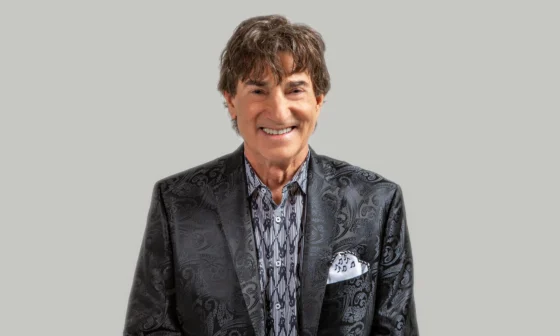
Few modern songs feel as timeless as “Caledonia.” Often mistaken for a centuries-old folk tune, the ballad has become woven into Scotland’s cultural fabric, sung at weddings, in pubs and even by football crowds. But the story behind the song is far more personal than patriotic.
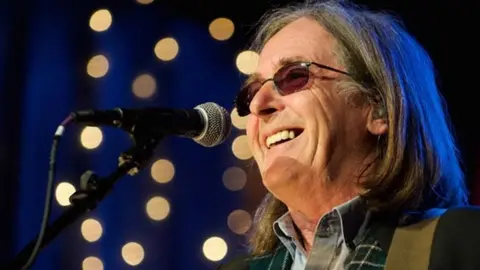
Written in 1977 by Scottish singer-songwriter Dougie MacLean, “Caledonia” was composed in just 10 minutes on a beach in France when MacLean was in his early 20s and overcome with homesickness. At the time, he had been busking around Europe with Irish musicians, but the day after writing the now-famous lyric — “Caledonia, you’re calling me and now I’m going home” — he returned to Scotland.
“I was genuinely homesick and it was just a little song I wrote,” MacLean later reflected. What began as a simple love letter to his homeland has since evolved into what many consider an unofficial Scottish anthem.
The song first appeared on MacLean’s debut album and, over four decades, has been embraced as part of Scotland’s “common culture.” Its title references the Roman name for the land north of Britannia — a romantic term evoking history, resistance and identity. Yet MacLean has consistently emphasized that its meaning is universal: a reflection on belonging, memory and the pull of home.
Over the years, “Caledonia” has been covered by artists including Eddi Reader, Paolo Nutini, Amy Macdonald and Ronan Keating. One of the most commercially recognized versions was recorded by Frankie Miller for a Tennent’s Lager advertisement in the early 1990s, further cementing its mainstream appeal.
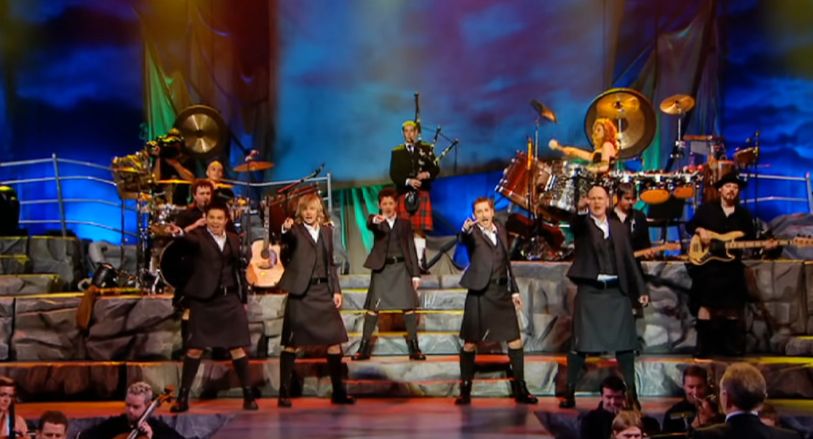
Among the most beloved live interpretations is Celtic Thunder’s “Caledonia (Live From Dublin, 2007),” released officially by Green Hill Productions. The performance, which has drawn more than 1.1 million views online, instantly transforms the intimate ballad into a sweeping stage moment. Backed by stirring instrumentation and traditional styling, the group’s harmonies give the song a cinematic grandeur while preserving its emotional core.

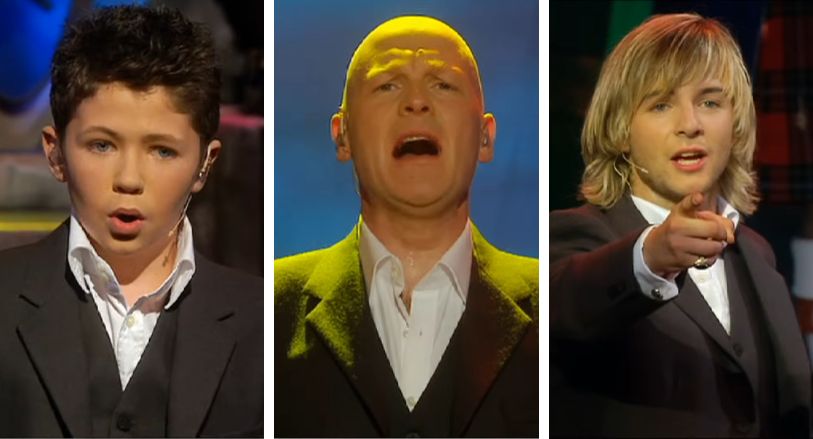
For many fans, the 2007 Dublin rendition remains iconic — particularly as a tribute to late member George Donaldson, who died in 2011 at age 46. Comment sections are filled with messages remembering his “beautiful voice” and proud presence in a kilt. “RIP George,” one viewer wrote. “Never forgotten.” Others describe the performance as “magical,” “goosebumps,” and a reminder of “Celtic unity.”
Listeners from Scotland, Ireland and across the diaspora say the song resonates deeply with themes of migration and longing. Some trace family roots back to County Tyrone, County Antrim, Fordyce or Dysart; others recall ancestors leaving for America in the early 20th century. “This song hits different now,” one commenter shared after finally visiting Scotland later in life.
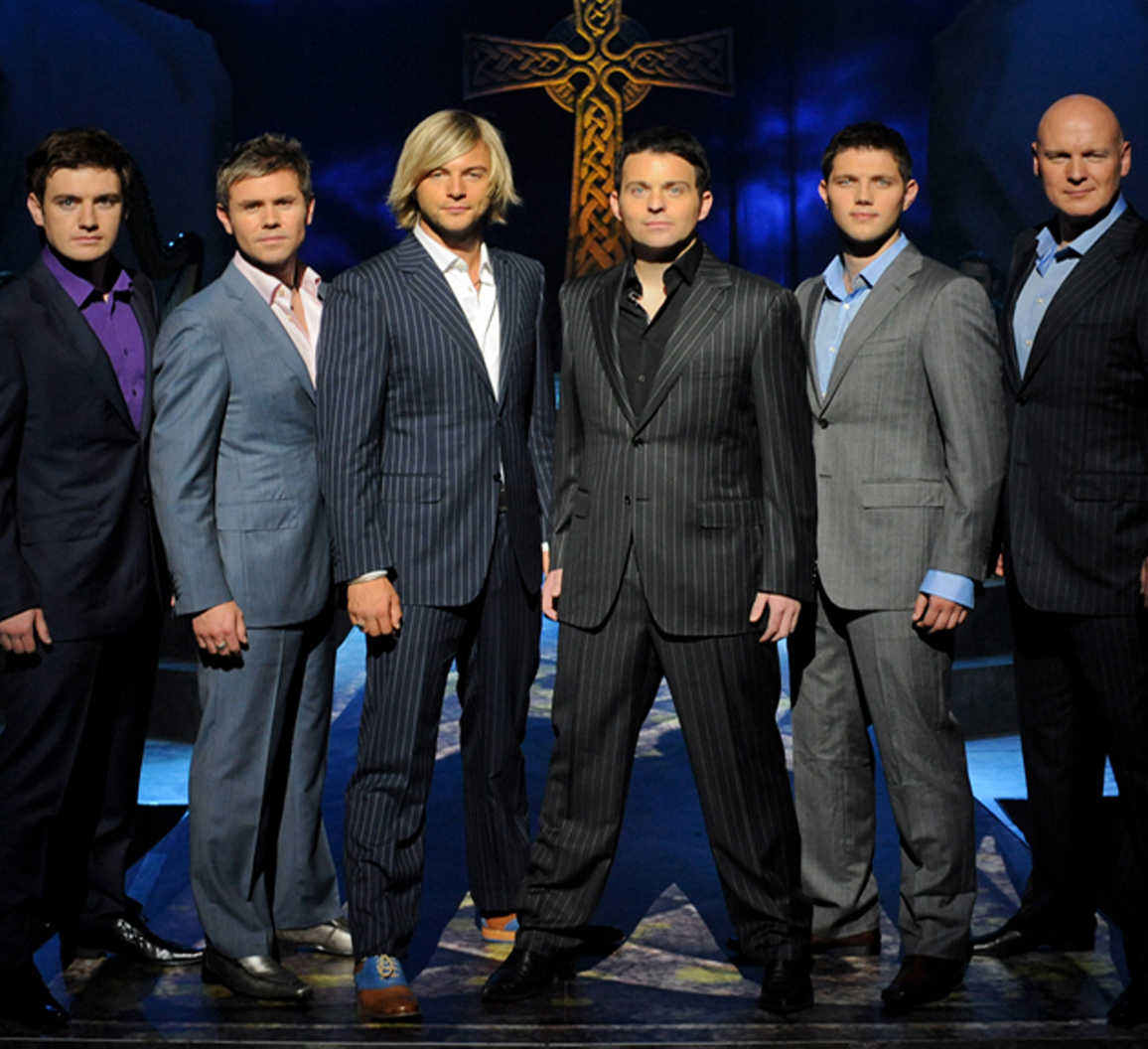
Importantly, fans frequently clarify the song’s origins: though embraced by Irish performers and audiences worldwide, “Caledonia” is distinctly Scottish in authorship and inspiration.
MacLean himself has said that if he attempted to write the song today, it would likely be more complex. Its enduring power, he believes, lies in its simplicity and honesty. Inducted into the Scottish Traditional Music Hall of Fame and awarded an OBE in 2011, he continues to perform the song globally — from Alaska to Australia — acknowledging that audiences expect it. “It would be very rude of me not to sing it,” he once said.
When Celtic Thunder bring “Caledonia” to the stage, the effect is immediate: bagpipes swell, harmonies rise, and what began as a homesick young man’s quiet confession becomes a collective experience. More than an anthem of pride, the song remains, at its heart, a universal meditation on identity, memory and the place we call home.