
Introduction
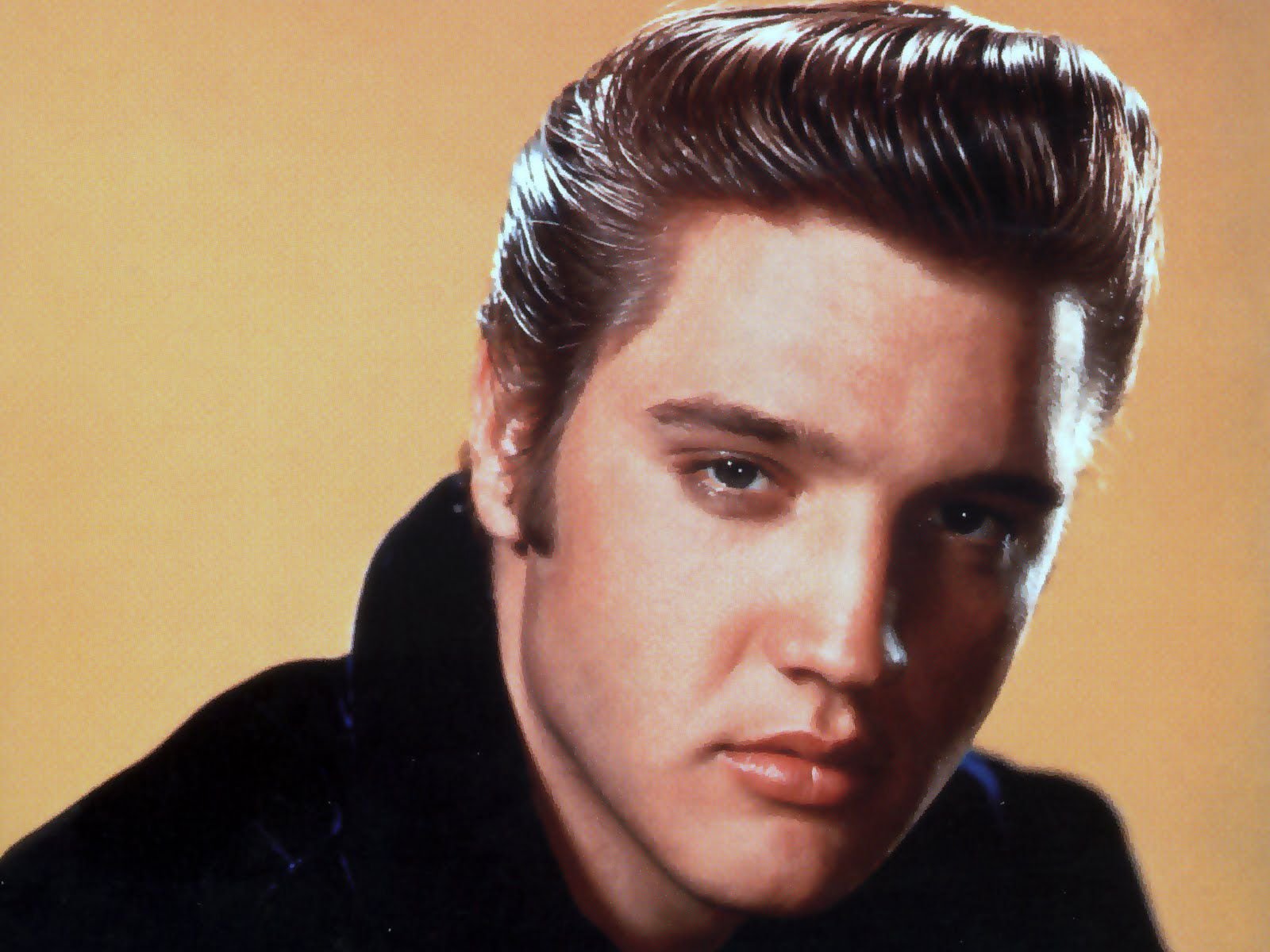
For decades, the world believed it understood how the King of Rock and Roll died. The official narrative was simple and almost merciful in its brevity a sudden heart attack that froze time on an August afternoon in 1977. It was a story that allowed fans to mourn an icon without confronting the deeper cost of the life he lived. But sealed medical files, once locked away from public view, have since revealed a far more unsettling truth about Elvis Presley and the slow physical collapse that preceded his death.
These records do not merely explain the cause of death. They dismantle the myth. Behind the rhinestones, the sold out arenas, and the unbroken public demand stood a man whose body was failing under extraordinary strain. The autopsy findings describe a heart enlarged far beyond normal size, arteries choked by years of stress and dietary excess, and a digestive system that was barely functioning. This was not the result of a single bad night or reckless moment. It was the culmination of decades of damage.
In the years following his death, those closest to him remained silent, shielding his image from scrutiny. That silence helped sustain the legend but it also buried the reality of his suffering. When the medical details finally emerged, they shifted the cultural conversation from mockery and rumor to something far more uncomfortable empathy. The caricature of a fallen star was replaced by the portrait of a man enduring relentless pain while fulfilling obligations he could no longer escape.
We thought he was indestructible. The truth is his body had been warning him for years but there was never a pause button. Not for him.
The reports clarify a point long misunderstood by the public. His reliance on prescription medication was not a casual indulgence but a desperate attempt to manage chronic pain, insomnia, and physical exhaustion. Stimulants were used to stay upright. Sedatives were used to force sleep. Painkillers masked joint and organ pain severe enough to make basic movement difficult. This chemical balancing act was not designed for excess but for survival.
By the mid 1970s, the transformation was irreversible. The once agile performer known for discipline and athleticism was fighting a losing battle against his own physiology. Restricted blood flow left him drained even before stepping on stage. Yet the demands never eased. Las Vegas residencies, late night recording sessions, and constant touring continued because the machine surrounding Elvis Presley could not slow down without consequences.
The release of these records also forced a reevaluation of how fame consumes the human body. The cost was not only emotional or psychological but profoundly physical. Every performance in his final years became an act of endurance. Each appearance demanded strength his heart could no longer reliably supply. Seen through this lens, his final recordings take on a new and heavier meaning.
It was not about keeping the image alive. It was about getting through the night. He hurt every day but stopping was never an option.
Public perception began to change as these facts circulated. Jokes about weight and excess lost their bite when confronted with the evidence of long term illness. What replaced them was a collective realization that the man behind the legend had been trapped by expectation. He was required to perform strength while privately managing fragility.
Graceland itself became a different place for visitors. Fans no longer arrived only to celebrate the voice or the legacy. They came to acknowledge the sacrifice. Flowers placed at the Meditation Garden were no longer just for the artist who defined a generation but for the individual who gave everything until there was nothing left to give.
Importantly, these revelations did not diminish his legacy. They expanded it. Understanding the physical cost of his final performances adds depth rather than damage. When listeners hear the strain in his later vocals, particularly in performances like Unchained Melody, it is no longer dismissed as decline. It is recognized as effort. Willpower carrying a failing body across the finish line.
The autopsy records ultimately serve as a stark reminder of the divide between icon and individual. They expose how easily suffering can be hidden behind spectacle. Elvis Presley did not simply die of heart failure. He lived at a speed the human body was never meant to endure and paid the price in full.
His music remains immortal, untouched by time. Yet now when it plays, there is an added layer of understanding. Beneath the power and control is the sound of a man pushing through pain, delivering everything he had left to a world that never stopped asking for more.
Video