
Introduction
It was never just a role. When Austin Butler stepped into the world of Elvis Presley he found himself pulled into something far larger than a performance. It became a resurrection filled with pressure grief discovery and moments that blurred the line between acting and spiritual encounter. Walking the halls of Graceland he did not simply study the life of the King of Rock and Roll he entered it. And when he first held Elvis’s 1956 Gibson guitar inside the fabled Jungle Room the experience carried the weight of history and the quiet thrum of a life once lived.
This emotional journey invites readers to see how shared tragedy unlocked Butler’s most transformative work and how a sentence whispered by Priscilla Presley shaped everything that followed. It is the story of an actor who did not merely portray the King but allowed the King to step into his own life.
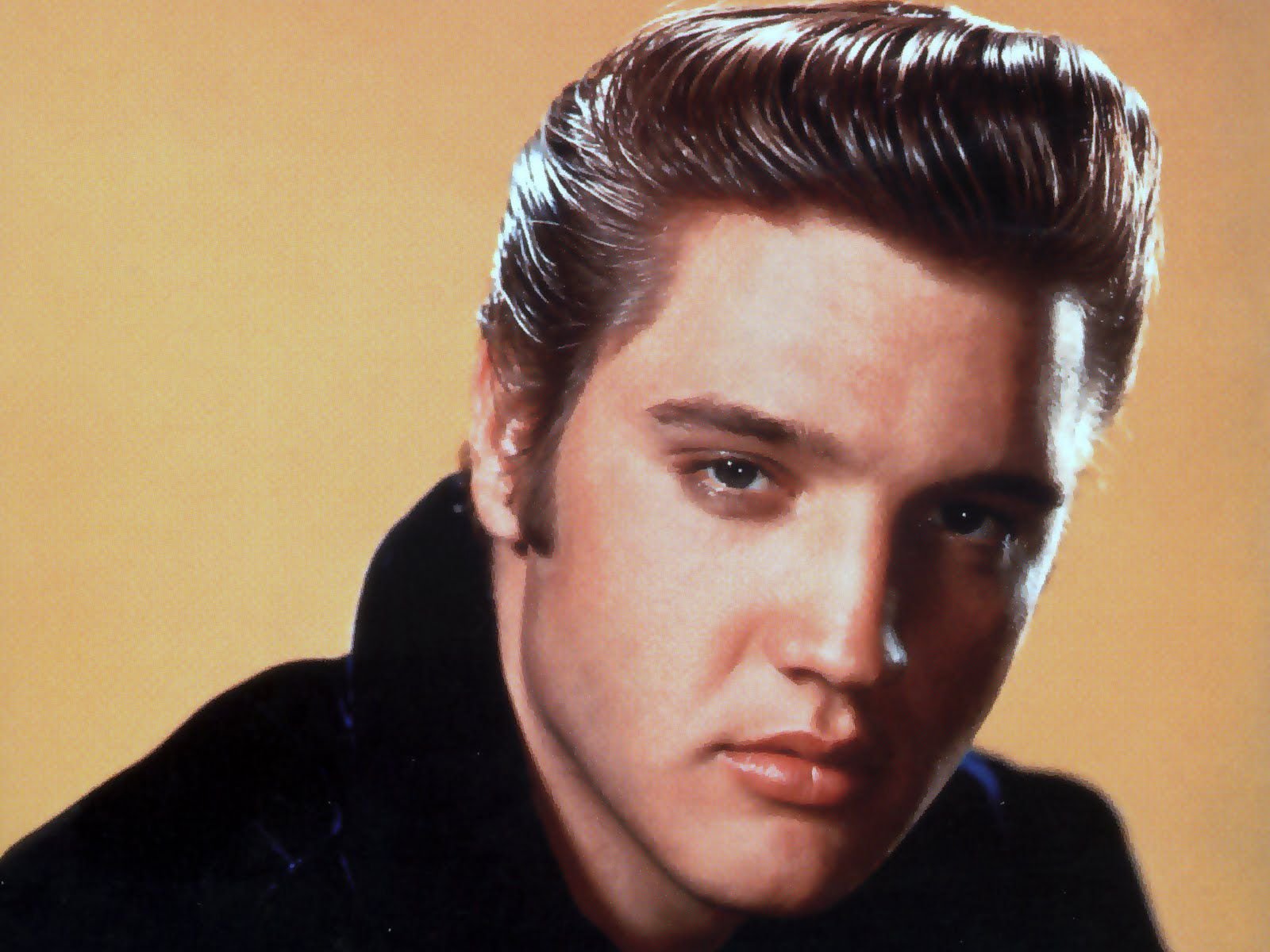
To inhabit one of the most recognizable figures in the history of American music required far more than a curled lip and a familiar hairstyle. It demanded immersion in loss a pilgrimage to Memphis and the blessing of those who loved Elvis most. Taking on the role of Elvis Presley is a cultural Everest. Decades of myth imitation and spectacle have often overshadowed the man beneath the jumpsuits. Yet in a revelation that stunned critics and earned the trust of the Presley family Austin Butler seemed to absorb the essence of the man himself.
Sitting across from Jimmy Fallon under studio lights Butler appeared unassuming a sharp contrast to the electrifying figure on screen. As he broke down his method it became clear this was a performance sculpted by obsession discipline and a deep emotional shift. Butler did not prepare one Elvis he prepared three. He studied the rapid pulse and shy uncertainty of the nineteen year old on the 1954 Louisiana Hayride tour the weary confusion of Hollywood years and the booming baritone of the icon in 1972.
“I realized there was no single Elvis voice. It changed so much through the years” Butler said as his own voice slipped into a soft Southern cadence.
He moved fluidly between the timid young performer and the veteran star questioning time itself. The technical accomplishment was impressive but technique alone never melts the lens. The true transformation began not in rehearsal studios but in the shadow of personal grief.
During his research Butler uncovered a tragic parallel. Gladys Presley the beloved mother who anchored Elvis’s world died when he was just twenty three. Sitting in interview Butler revealed the moment with quiet heaviness. He too had lost his mother at that same age.
“It hit me like a freight train” Butler recalled. “That kind of grief makes someone real in a way that removes the distance. Suddenly you do not feel alone anymore.”
This shared loss stripped away the mythic distance between actor and icon. Butler no longer looked up at a larger than life Elvis. He looked across at someone who had carried the same ache. That vulnerability ignited the emotional core of his performance showing Elvis not as a deity but as a man wrestling with isolation behind the glow of fame.
The final test was not critics but those who guard the legacy. One month after securing the role Butler traveled with director Baz Luhrmann to Graceland. The estate felt suspended in time its rooms echoing with presence. Here he met Priscilla Presley in a meeting that became both benediction and warning.
She told him he would be carrying an enormous weight yet her expression softened with recognition. She encouraged him to explore the house to feel the atmosphere insisting that the spirit of Elvis still lingered within its walls. Her words were not theatrical. They were intimate and solemn a bridge extended to a young actor stepping into sacred territory.
Inside the famed Jungle Room Butler was handed a treasure from the archives. It was no ordinary instrument. It was Elvis’s own 1956 Gibson guitar the one heard in performances of Love Me Tender and Jailhouse Rock. The same piece of wood and wire that once vibrated against the chest of the world’s most influential entertainer.
Butler noted that the last person allowed to play it had been Paul McCartney. Sitting on the long couch he struck the chords connecting a quiet modern moment to a roaring past. It was not reenactment. It was communion.
The physical transformation sealed the portrayal. On The Tonight Show Butler demonstrated the Side Winder the unpredictable jolt of movement that Elvis made famous. He emphasized that Elvis was not a trained dancer. He was a vessel moved by rhythm. Butler described how the weight of the body shifted how the foot set the tempo and how the arm moved like a spinning windmill creating momentum that felt raw and instinctive.
Watching Butler slide across the floor even in a modern black suit the resemblance was unmistakable. He achieved what many thought impossible. He brought back the danger the spark and the haunting undercurrent of a legend whose influence still saturates American culture.
The reaction felt like more than applause. In the quiet corners of the Jungle Room it was easy to imagine the King himself offering a nod of approval. And for Butler the journey confirmed that he was not only stepping into a role. He was holding a spirit that for a brief moment felt close enough to touch.
Video