The Night Luciano Pavarotti Quietly Changed Andrea Bocelli’s Life Forever

andrea bocelli

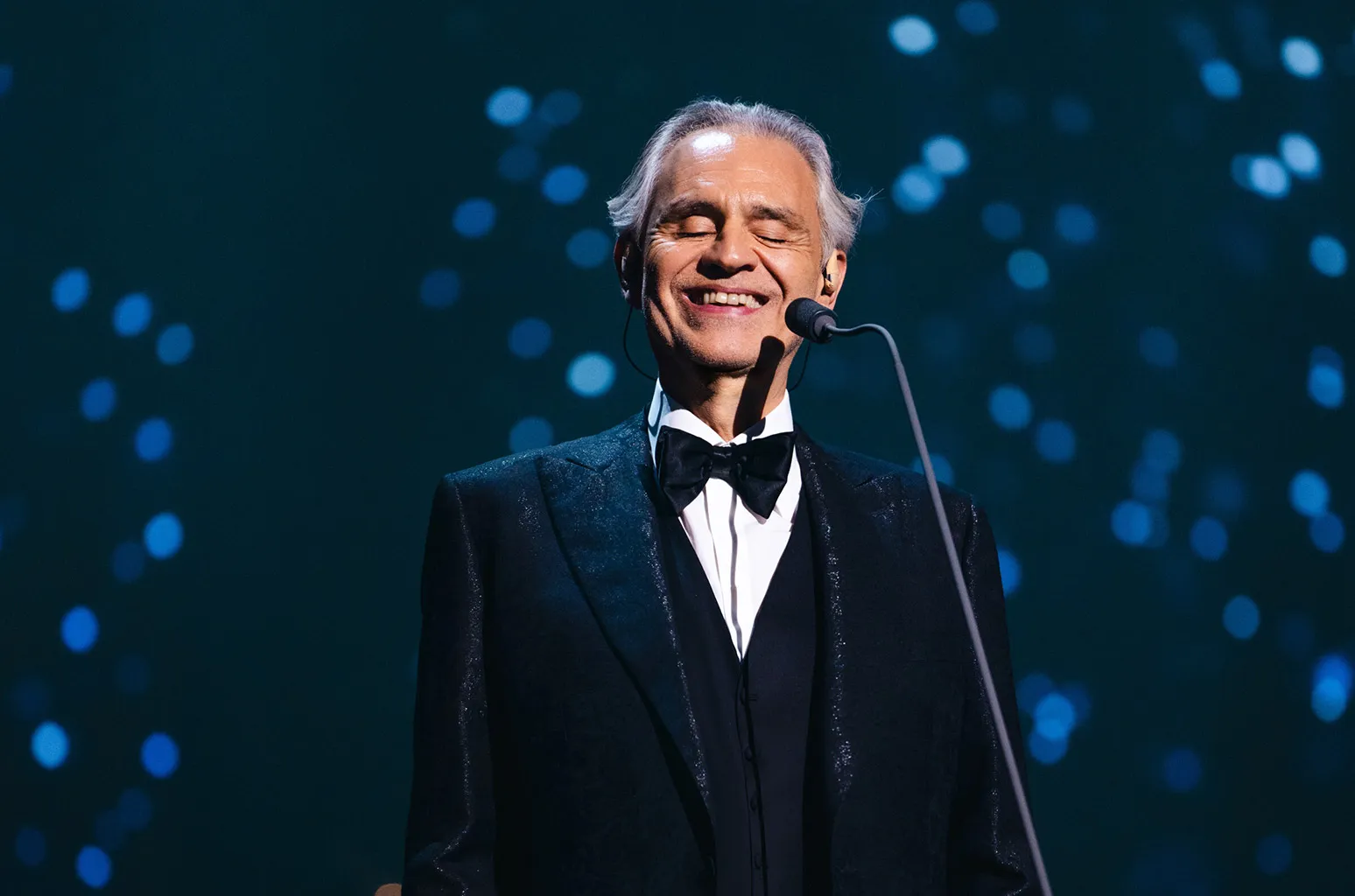
Before Andrea Bocelli became one of the world’s most recognizable classical voices, he was simply a young tenor carrying enormous uncertainty — and one cassette recording away from meeting Luciano Pavarotti.

The moment that changed everything traces back to Italy in the early 1990s, when singer-songwriter Zucchero was preparing the song “Miserere.” The track had been written specifically with Pavarotti in mind, and auditions were held to create a demo recording that could eventually be presented to the legendary tenor.

Among the singers who arrived was a relatively unknown 36-year-old blind musician named Andrea Bocelli.
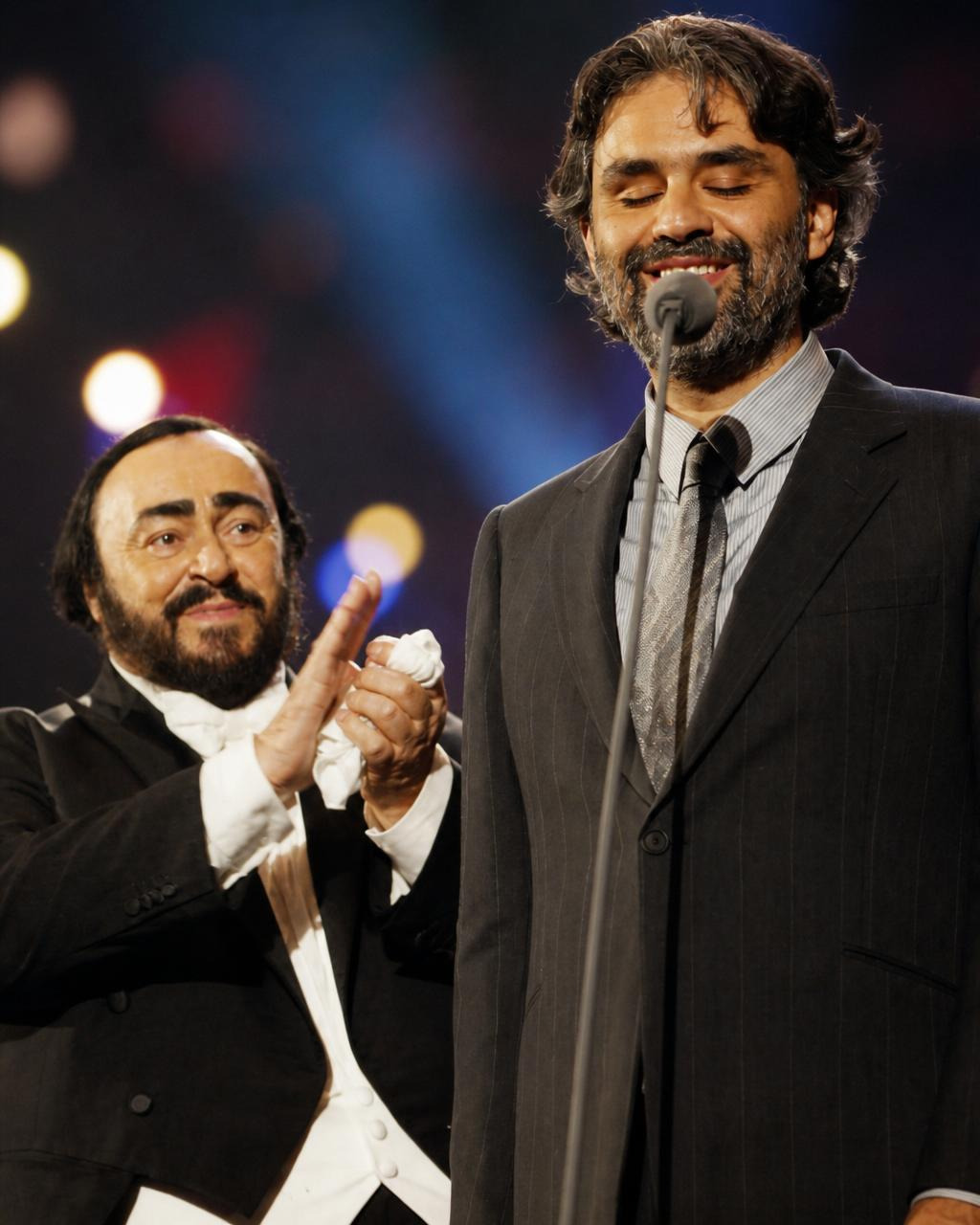
At the time, Bocelli was far from internationally famous. Outside Italy, very few people knew his name. But when he recorded the demo for “Miserere,” something unexpected happened. According to stories later shared by those involved, Pavarotti listened to the tape and immediately recognized the rare quality in Bocelli’s voice.

Instead of viewing the younger singer as competition, Pavarotti reportedly reacted with admiration.

“You don’t need me,” he famously said. “Let Andrea sing it. There is no one finer.”

For Bocelli, the endorsement carried enormous weight. Pavarotti was already one of the most celebrated operatic voices in the world, a global symbol of classical music whose approval could instantly change a career. And in many ways, it did.

Two years later, their musical connection reached a defining moment during the second Pavarotti & Friends charity gala in Modena, Italy, in September 1994.

The concert gathered major artists and thousands of audience members, but one performance in particular left a lasting mark. Composer Maurizio Morante had written “Notte ’e piscatore” — The Night of the Fisherman — specifically for the voices of Bocelli and Pavarotti.

The song itself was deeply emotional: a Neapolitan ballad filled with longing, love, and the quiet hope of waiting for light to return after darkness. But what made the performance unforgettable was the contrast between the two men singing it.

Bocelli’s voice carried softness and vulnerability. Pavarotti’s voice arrived with unmistakable force and grandeur. Yet together, the combination felt seamless, as though the composition had always belonged to them both.

Audience members reportedly sat transfixed as the performance unfolded.

For many viewers, it represented more than a duet. It symbolized a passing of artistic respect from one generation to another — not through rivalry, but generosity. That spirit of encouragement became one of the defining aspects of the relationship between the two tenors over the years that followed.

But decades later, Bocelli revealed another detail from that night that made the story even more personal.

According to Bocelli, moments before they walked onto the stage together, Pavarotti leaned toward him and quietly whispered words of reassurance. Bocelli never forgot the gesture. In the middle of a massive international event, one of opera’s greatest legends took time to calm the nerves of a younger singer preparing for one of the biggest moments of his life.

That memory stayed with Bocelli long after the applause faded.

Years later, reflecting on Pavarotti’s death, Bocelli delivered one of his most emotional lines about their friendship: “He called me to sing at his wedding. His wife called me again… for his funeral.”

And in many ways, that single sentence captured the depth of a bond built not only

0 Shares:
Leave a Reply

Your email address will not be published. Required fields are marked *

You May Also Like
Gianluca Ginoble
Read More

HE DIDN’T CHASE THE NOTE — HE LET THE MOMENT FIND HIM. 🎶✨ Gianluca Ginoble stood perfectly still and refused to hurry a single phrase of “Falling in Love,” allowing the opening line to rest gently in the air before moving on. You could see the shift ripple through the room — a shared breath, a soft pause, a collective stillness. His voice arrived warm, then quietly aching, never showy, never pushed. It felt less like performance and more like memory — the kind that makes you smile just before it stings. The lights glimmered behind him without ever competing, framing rather than distracting. Nothing pulled focus from where it mattered most. He wasn’t trying to impress. He trusted the feeling to speak — and somehow, everyone felt it at the same time.

There are performances that impress you, and then there are performances that slow you down. Gianluca Ginoble’s rendition…
Paul McCartney
Read More

Every Paul McCartney concert has its loud moments—but the quietest one is always the loudest. After the thunder of “Helter Skelter,” the lights dim and Paul McCartney walks to the piano. The crowd already knows what’s coming. When the first notes of Maybe I’m Amazed ring out, the stadium stops breathing. Written in 1970, the song has aged into something deeper: a lifelong conversation with Linda McCartney. As Paul sings, giant screens glow with Linda’s photographs—family moments, soft smiles, an ordinary love made eternal. He often says only, “I wrote this for Linda.” He doesn’t need more. His voice, still cracking on the high notes, carries everything he cannot say. In songs like “My Love” and throughout his time with Wings, Linda is never absent. She isn’t gone—just off-stage, living forever in the music. 👉 Read more reflections in the first comment.

PAUL McCARTNEY AND “MAYBE I’M AMAZED”: A CONVERSATION THAT NEVER ENDS For more than two decades on the…
Paul McCartney
Read More

“He Didn’t Play the Song Right Away — and the Silence Changed Everything.” Paul McCartney stepped onto the stage at 83 expecting applause, but what followed wasn’t noise — it was recognition. A pause stretched too long to ignore. A chant rose without permission. And when he finally spoke, it wasn’t about music, legacy, or goodbye. It was about time — and the quiet fear of never standing in that exact moment again. Fans say what happened next didn’t feel like a concert at all… it felt like history realizing itself in real time.

“I JUST WANT TO HOLD THIS MOMENT.” — WHEN PAUL McCARTNEY TURNED SILENCE INTO HISTORY There are concerts…
Barry-Gibb
Read More

FROM LOSS TO EVERLASTING LIGHT — At 78, Barry Gibb stands alone as the final heartbeat of the Bee Gees, carrying a lifetime of scars and songs. From a childhood shaped by quiet pain to unimaginable tragedy, his journey rises into timeless triumph: a Miami sanctuary, a dreamlike car collection, a long-hidden creative bond with Michael Jackson, and the ashes of Johnny Cash’s burned estate etched into memory. Through it all, one love endured—his wife Linda—while five children chose lives away from the spotlight. Now, with Timeless Harmonies arriving in 2025 and a Legacy Tour reigniting the pulse of disco, Barry doesn’t chase the past—he honors it, singing not for fame, but for the brothers whose voices still echo in every harmony.

Introduction: Have you ever been swept away by the shimmering disco magic of the Bee Gees in the…