There are concerts you enjoy, and then there are nights that stay with you — the kind you carry long after the lights go down. For thousands gathered inside Auditorio Nacional, this was the latter.
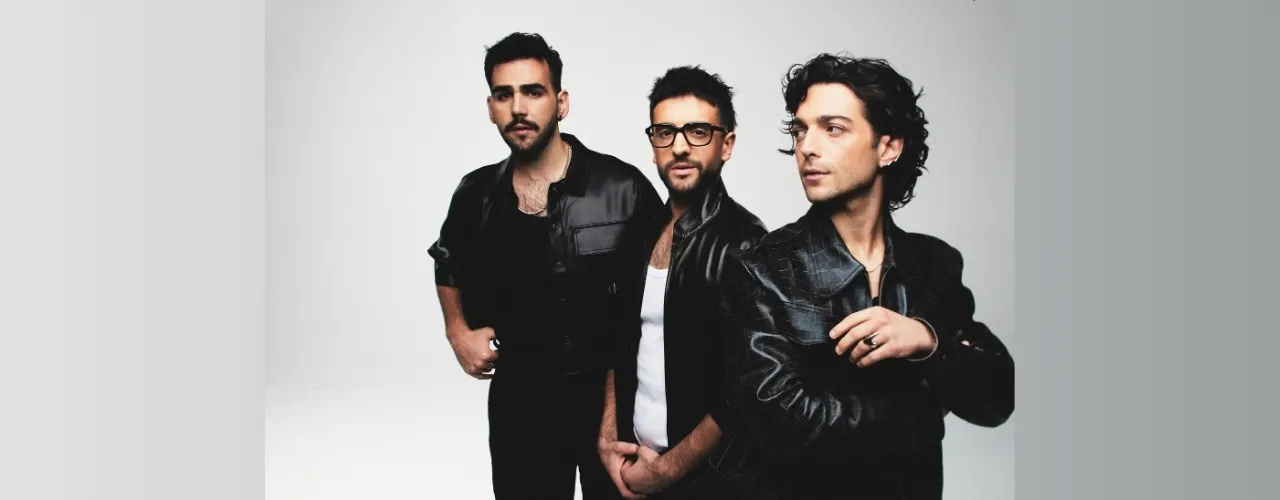
When Il Volo took the stage during their 2026 tour, the anticipation was already there. The trio had built a reputation for powerful performances, blending classical technique with modern emotion. But nothing quite prepared the audience for what unfolded.
It began simply.

Piero Barone stepped forward and sang the first note. It wasn’t loud or dramatic — just clear, controlled, and perfectly placed. Yet it had an immediate effect. The massive venue grew still, as if the sound itself had asked for silence and been granted it.
Then came Ignazio Boschetto. His voice rose with a kind of ease that felt almost effortless, climbing higher and higher without losing warmth. It didn’t feel like showing off. It felt like release — like something searching for space and finding it.
And then, just as naturally, Gianluca Ginoble entered. Softer. Grounded. His tone didn’t compete; it completed. Together, the three voices formed something balanced and full, each one essential to the whole.
There were no elaborate effects, no distractions. Just voices.
But what made the moment extraordinary wasn’t only what happened on stage. It was what happened in the audience.
People leaned closer to one another. Some reached for a hand without thinking. Others sat frozen, caught in a feeling they couldn’t quite explain. There were tears — quiet ones, quickly brushed away, as if even that small movement might break the spell.
It’s rare for a performance to create that kind of shared experience, where thousands of people feel something deeply personal at the same time. Yet that’s exactly what unfolded in that room in Mexico City.
This wasn’t just a concert. It became a reminder — of how powerful simplicity can be, of how music doesn’t need spectacle to move people, and of how three voices, when perfectly aligned, can fill more than just a space. They can fill a moment with meaning.
As the night moved toward its close, something shifted. The energy softened, becoming more reflective. The audience knew the end was near, and with it came that familiar feeling of wanting to hold onto what was happening just a little longer.
Before the final song, Piero stepped forward again.
What he said wasn’t rehearsed like a script. It felt personal, almost spontaneous. A few quiet words of gratitude, of connection — something that acknowledged not just the applause, but the shared experience between the stage and the audience.
And somehow, that made the final performance even more powerful.
Because by then, it wasn’t just about listening. It was about understanding.
When the last note finally faded, the silence returned — but this time, it wasn’t anticipation. It was reflection.
The kind that tells you you’ve just witnessed something you won’t forget.