Most people think pop history turns on loud moments—chart debuts, dramatic performances, voices pushed to their limits. But sometimes, history shifts quietly.
Dolly Parton wrote “I Will Always Love You” in 1973 as a farewell. Not a breakup song, not a grand gesture—but a graceful goodbye to her mentor and duet partner, Porter Wagoner. When she released it in 1974, the song carried exactly what she intended: respect, gratitude, and love without possession.
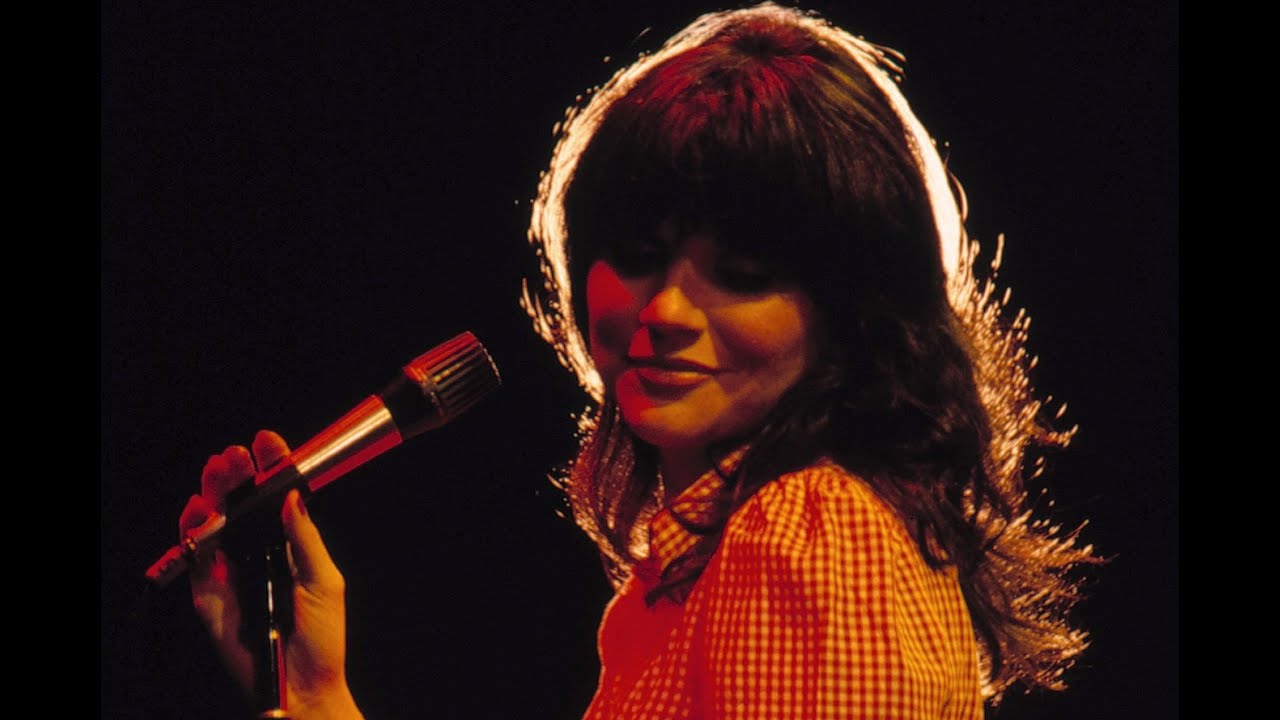
Then came Linda Ronstadt.
In 1975, Ronstadt included the song on Prisoner in Disguise, produced by Peter Asher. Her version didn’t reinvent the song—it revealed it. A reviewer at the time described her performance as “absolutely gorgeous, full-bodied and intense,” and that assessment still holds.
Ronstadt didn’t oversell the emotion. She didn’t dramatize the farewell. She simply let the melody breathe. Her voice carries devotion without desperation, strength without spectacle. Love, in her hands, sounds like dignity.
That restraint mattered.
Years later, when filmmakers were searching for the right song to anchor The Bodyguard, it wasn’t just Dolly’s original that pointed the way—it was Ronstadt’s interpretation that helped frame the song as cinematic, timeless, and emotionally universal. The path from Nashville to Hollywood ran straight through that quiet cover.

Whitney Houston would eventually take the song to operatic heights, but the emotional blueprint—the permission to let the song stand still—had already been drawn.
Linda Ronstadt proved something essential:
sometimes the most powerful love doesn’t shout.
It stays steady.
It lets go without bitterness.
And in doing so, it echoes longer than anyone expects.
🎵 Linda Ronstadt – “I Will Always Love You”