The Quiet Cover That Changed Pop History

lINDA

Most people think pop history turns on loud moments—chart debuts, dramatic performances, voices pushed to their limits. But sometimes, history shifts quietly.

Dolly Parton wrote “I Will Always Love You” in 1973 as a farewell. Not a breakup song, not a grand gesture—but a graceful goodbye to her mentor and duet partner, Porter Wagoner. When she released it in 1974, the song carried exactly what she intended: respect, gratitude, and love without possession.
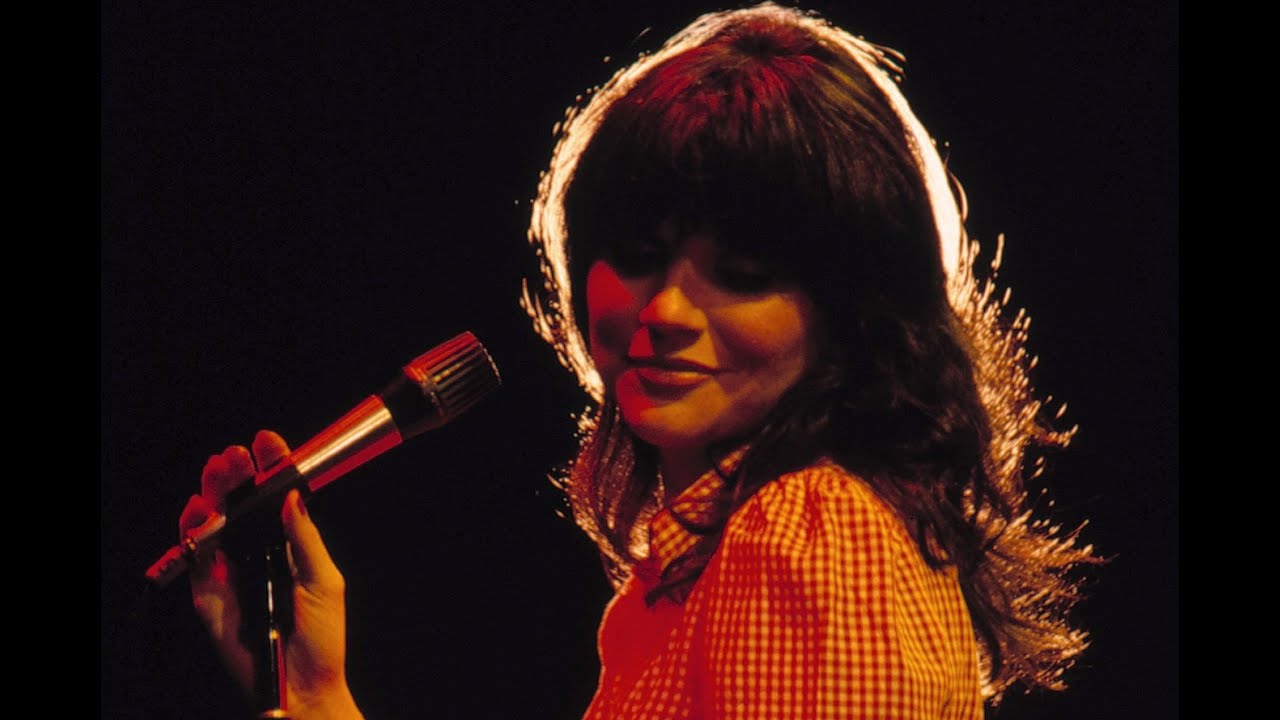
Then came Linda Ronstadt.

In 1975, Ronstadt included the song on Prisoner in Disguise, produced by Peter Asher. Her version didn’t reinvent the song—it revealed it. A reviewer at the time described her performance as “absolutely gorgeous, full-bodied and intense,” and that assessment still holds.

Ronstadt didn’t oversell the emotion. She didn’t dramatize the farewell. She simply let the melody breathe. Her voice carries devotion without desperation, strength without spectacle. Love, in her hands, sounds like dignity.

That restraint mattered.

Years later, when filmmakers were searching for the right song to anchor The Bodyguard, it wasn’t just Dolly’s original that pointed the way—it was Ronstadt’s interpretation that helped frame the song as cinematic, timeless, and emotionally universal. The path from Nashville to Hollywood ran straight through that quiet cover.

Whitney Houston would eventually take the song to operatic heights, but the emotional blueprint—the permission to let the song stand still—had already been drawn.

Linda Ronstadt proved something essential:
sometimes the most powerful love doesn’t shout.
It stays steady.
It lets go without bitterness.

And in doing so, it echoes longer than anyone expects.

🎵 Linda Ronstadt – “I Will Always Love You”

0 Shares:
Leave a Reply

Your email address will not be published. Required fields are marked *

You May Also Like
Beatles
Read More

THE TRUTH ABOUT WHY THE BEATLES FIRED PETE BEST — AND IT WASN’T JEALOUSY. For decades, rumours swirled that Paul McCartney was threatened by Pete Best’s brooding good looks and devoted female fans. But John Lennon shut that narrative down bluntly: “We were sick of him… he was a lousy drummer.” According to Lennon, it wasn’t rivalry — it was frustration over a player who “never improved.” Best may have been popular, but the band insisted the decision was musical, not personal. And once they found the right fit in Ringo Starr, history moved fast — proving that sometimes the harshest choices shape the biggest legends.

The Real Reason the Beatles Fired Their Original Drummer: ‘We Were Sick of Him’ ‘We’d trained him to…
The Lennon Sisters
Read More

It was late 1967, and the studio lights had begun to dim. Dianne and Peggy Lennon stood by the old RCA microphone, their laughter echoing softly through the empty room. The melody they rehearsed that night wasn’t just another tune — it carried something tender, something only the heart could hear. A technician nearby paused and said quietly, “You sound like you’re singing to someone you really love.” Dianne smiled, that kind of smile that hides more than it shows. “Maybe I am,” she said. Hours later, when everyone had gone home, Dianne stayed behind. The piano still held a folded note — one she’d kept for years. It was written by a young man who once promised to dance with her “when the world finally slows down.” She never sent a reply. Maybe she didn’t need to. Because when she whispered that final line — soft, trembling, and full of memory — it wasn’t meant for the microphone. It was meant for him.

It was late 1967, and the studio lights were fading into a soft amber glow. Inside RCA’s quiet…