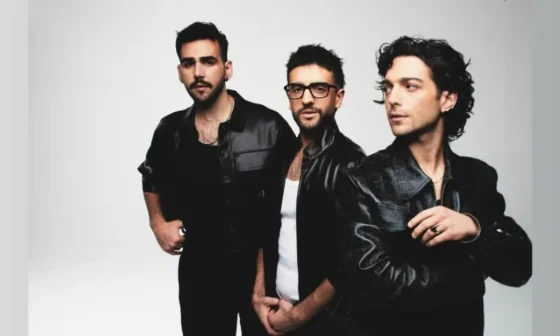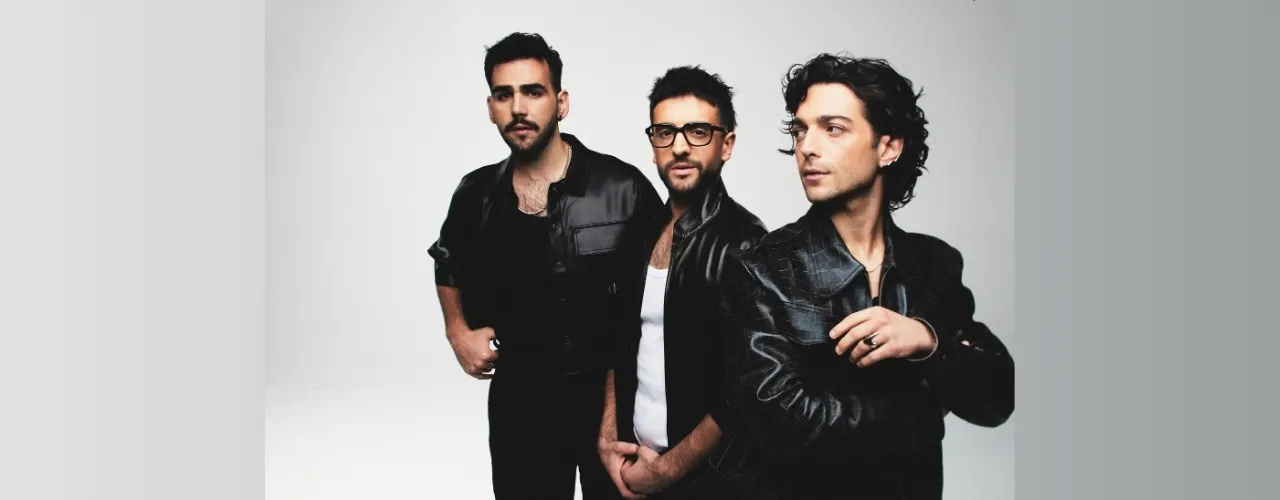
There are certain stages that seem to hold the echoes of the past more loudly than others. The Arena di Verona, a Roman amphitheater that has weathered two millennia of history, is one of them. On a crisp autumn evening, this ancient stone circle became the site of “Pavarotti 90,” a grand celebration broadcast on Canale 5 to honor what would have been the 90th birthday of the most beloved tenor in history: Luciano Pavarotti.
The night was billed as a tribute, but for the 12,000 people packed into the tiers of stone, it felt more like an invocation. Though the “King of the High Cs” has been gone for nearly two decades, his presence loomed over the stage like a warm, protective shadow. The evening saw a parade of global icons pay their respects, yet the most electric moment occurred when three young men—Piero Barone, Ignazio Boschetto, and Gianluca Ginoble, known collectively as Il Volo—stepped into the light.
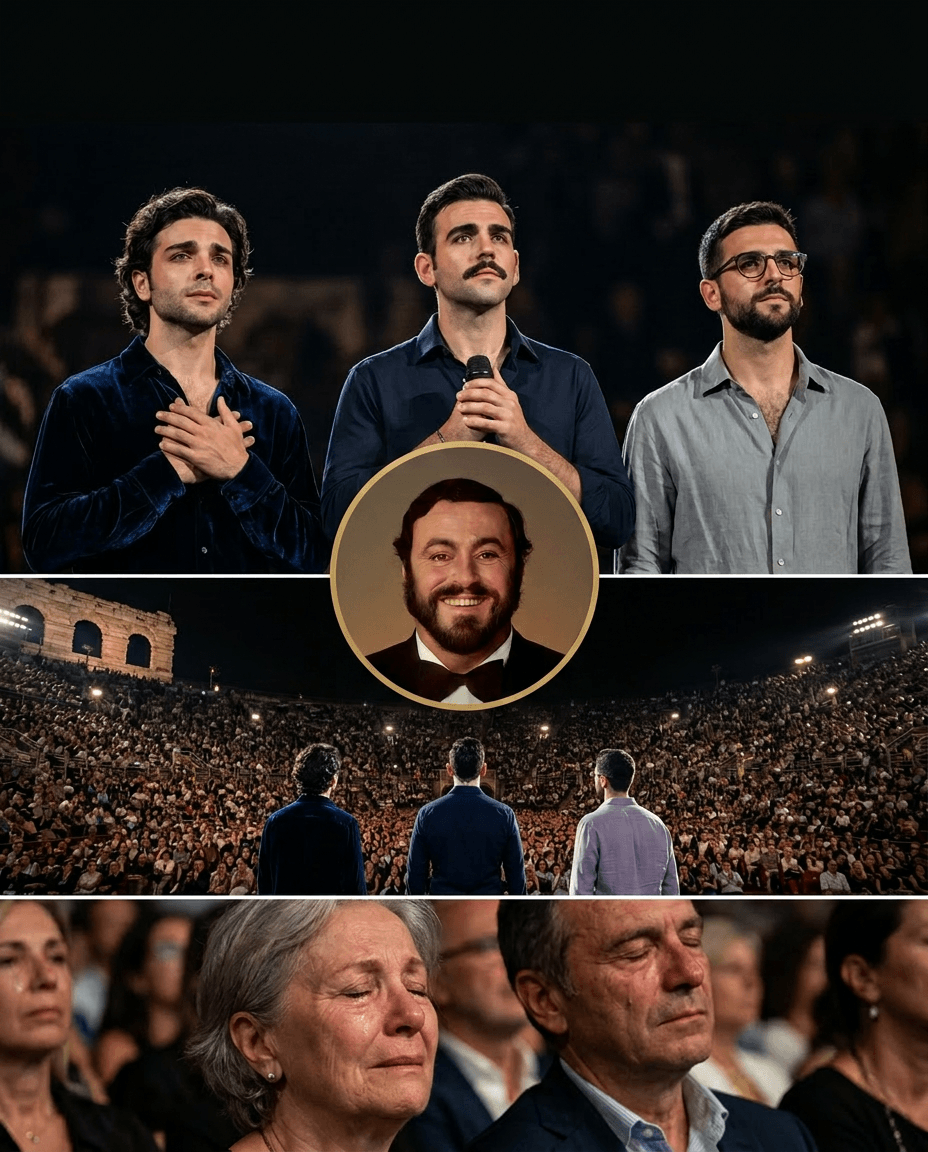
For Il Volo, the stakes were higher than a typical performance. They are the torchbearers of “operatic pop,” a genre Pavarotti himself pioneered through his legendary “Pavarotti & Friends” concerts. As they stood on the same boards where their idol once commanded the world, there was a visible shift in the arena’s energy. The bravado usually associated with young stars was replaced by a palpable, quiet reverence.
They performed only two songs, but they were the two most important minutes of the night. Their voices didn’t just aim for technical perfection; they aimed for the heart. As their harmonies swelled against the ancient stone, it wasn’t just about the notes—it was about the lineage. You could see it in their faces: a profound “thank you” to the man who made it possible for three teenagers from Italy to become global sensations by singing the classics.
The official Canale 5 broadcast captured what the early, grainy amateur phone footage could not: the faces of the audience. The cameras panned across a sea of people who weren’t just watching a show; they were experiencing a memory. Older fans wiped away tears, perhaps remembering Pavarotti’s own legendary performances in that very spot, while younger viewers watched in hushed awe. When Il Volo hit the final, soaring crescendos, the silence that followed before the applause was heavier and more meaningful than the ovation itself. It was the sound of 12,000 people collectively holding their breath, waiting for an echo that never truly left.
In that moment, the bridge between generations was complete. Pavarotti wasn’t there to take a bow, but through the voices of those he inspired, his music proved to be as immortal as the stones of the Arena itself. It was a night that reminded us that while singers may pass, the song—if sung with enough soul—never has to end. For a few sacred minutes in Verona, the Great Tenor was back, and the world was listening.