The Silence of a Tenor: How a Broken Voice at 15 Saved Ignazio Boschetto

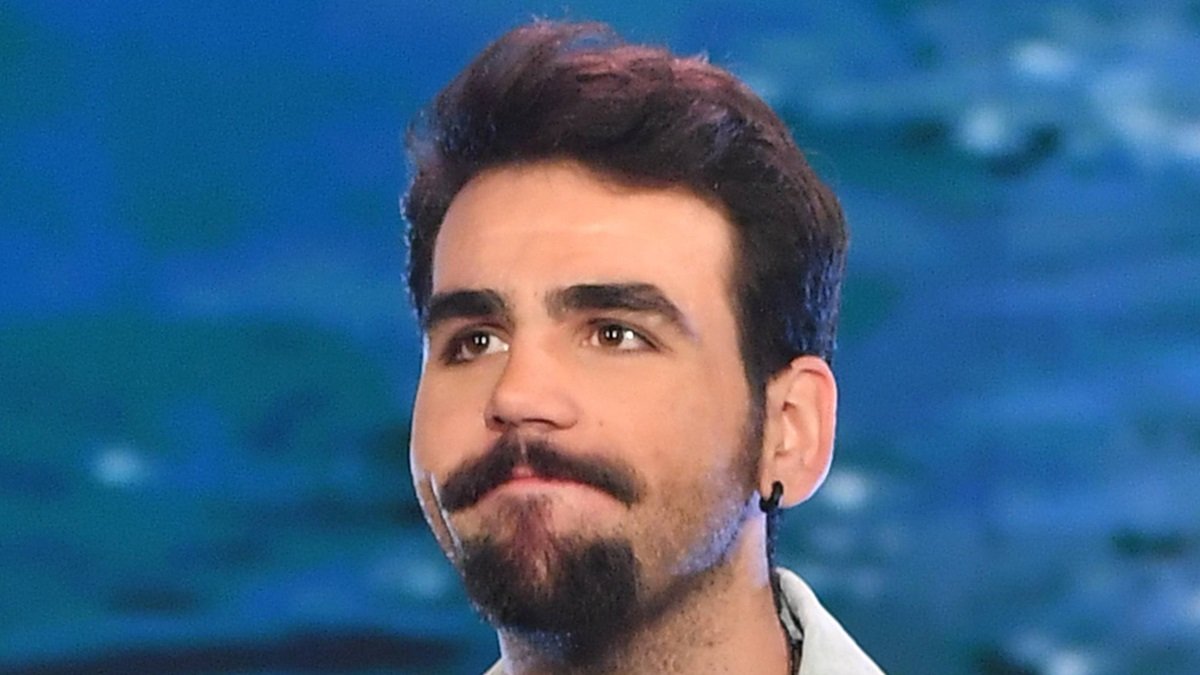
Ignazio Boschetto
Roma : Studi Rai ex Dear . Trasmissione Domenica in… . Nella foto : Ignazio Boschetto

Behind every powerhouse high note Ignazio Boschetto hits today lies a ghost from his past—the memory of a voice that almost vanished. Before the world knew him as one-third of the powerhouse trio Il Volo, Ignazio was a boy grappling with the cruelest irony of a young male singer’s life: puberty. For a child prodigy who had been singing opera since the age of three, the “breaking” of his voice felt less like a rite of passage and more like a terminal diagnosis for his career.

The Crisis in Bologna
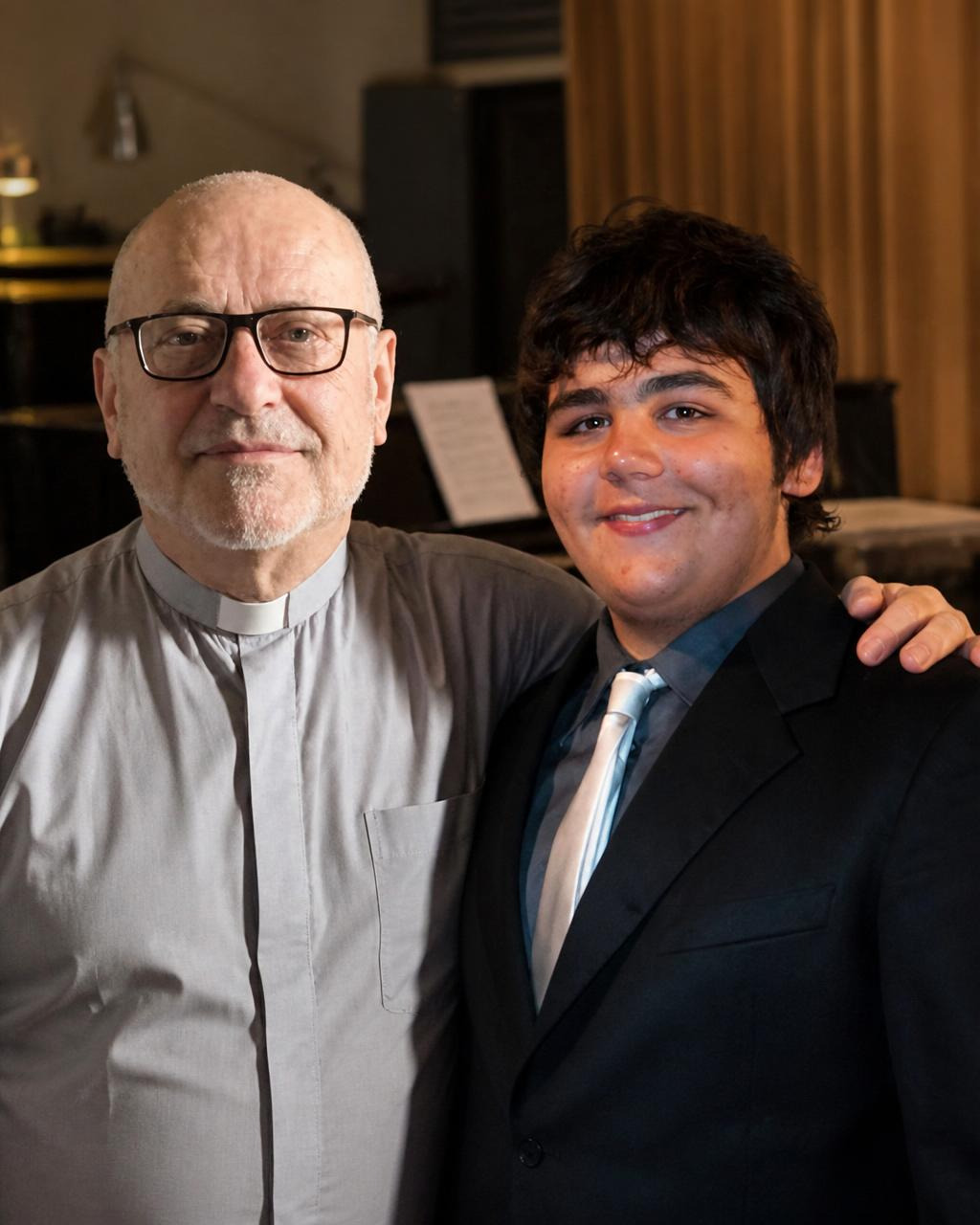
By the time he was fifteen, the effortless “C” notes that had made him a local sensation in Sicily were becoming treacherous. In the middle of phrases, his voice would crack, a physical betrayal that left him terrified. He traveled to Bologna to study under the esteemed Maestro Sergio Bertocchi, but he didn’t arrive with a song; he arrived with a heavy heart, ready to quit before the world ever truly heard him.

Maestro Bertocchi, however, saw past the cracking notes. He recognized that Ignazio’s instrument wasn’t broken—it was simply transitioning. But to save it, he had to do something that felt like torture to a young performer: he had to silence it.

The Power of the Breath

For several agonizing weeks, Bertocchi wouldn’t let Ignazio sing a single lyric. There were no scales, no arias, and no rehearsals. Instead, the curriculum was entirely silent. They spent hours on “appoggio”—the art of breath support.

Ignazio was forced to focus on his diaphragm, his posture, and the way air moved through his body. It was a lesson in humility. While other kids his age were showing off their range, Ignazio was lying on a studio floor, learning how to breathe. He hated it. He felt like a racer being told he could only look at the tires but never start the engine.

The Sentence That Changed Everything

When the Maestro finally gave him the nod to sing again, the tension in the room was palpable. Ignazio opened his mouth, and the sound that came out was different—deeper, richer, and more stable than the boyish soprano he was mourning.

Bertocchi looked at him and delivered the sentence that would define Ignazio’s professional life: “The voice is a wild animal; if you don’t build the cage of breath to hold it, it will eventually run away from you.”

That “cage” of breath support is the reason Ignazio, now 31, remains one of the most consistent tenors in the crossover genre. He doesn’t just sing with his throat; he sings with the foundation he built during those silent weeks in Bologna.

Courage in the Quiet

Between the urge to quit at 15 and the discipline to stay silent, the latter clearly required the greater courage. Quitting is a sudden exit, but staying silent while your peers move forward requires a profound level of trust. Ignazio had to trust that his teacher was right, and more importantly, he had to trust that his voice was still in there, waiting for the right moment to return.

Today, every time Ignazio warms up before a show, he isn’t just checking his range. He is revisiting that small studio in Bologna, honoring the silence that taught him how to truly sing. He didn’t just find his voice; he earned it.

0 Shares:
Leave a Reply

Your email address will not be published. Required fields are marked *

You May Also Like
paul
Read More

LONDON O2 JUST WITNESSED A BEATLES MOMENT THAT CAN’T BE REPEATED 🎸🥁 Paul McCartney was closing out the Got Back tour… then he said one line that stopped the arena cold: “Bring to the stage the mighty, the one and only… Ringo Starr!” 20,000 people lost it as the last two living Beatles locked back in on “Sgt. Pepper” — then detonated the room with “Helter Skelter.” Not nostalgia. Not a tribute. Real history, breathing in real time. A finale turned into a miracle — and everyone there knew it. WATCH BELOW 👇👇

“Bring to the Stage the Mighty, the One and Only…” “Bring to the Stage the Mighty, the One…
paul-mccartney
Read More

PAUL McCARTNEY IS REWINDING TIME — BACK TO THE MOMENT EVERYTHING COULD HAVE FALLEN APART. With Paul McCartney: Man on the Run, the legendary Paul McCartney takes audiences deep into one of the most defining — and fragile — chapters of his post-Beatles life, when the world was watching, expectations were crushing, and the future was anything but certain. More than a documentary, this is a raw journey through reinvention, resilience, and the fight to move forward after the greatest band in history came to an end. 🎬 The full story behind the film is unfolding now. ⬇️ID 185785973 © Fabio Diena | Dreamstime.com Paul McCartney is taking audiences back to one of the most pivotal chapters of his post-Beatles career with Paul McCartney: Man on the Run, a new feature documentary that shines a spotlight on the rise of Wings and the creation of the landmark album Band on the Run. The film, directed by Academy Award winner Morgan Neville, examines McCartney’s creative rebirth in the early 1970s as he rebuilt his musical identity following the breakup of The Beatles. Rather than focusing on stadium performances or later career retrospectives, Man on the Run zeroes in on a period of uncertainty, experimentation, and eventual triumph that reshaped McCartney’s legacy. A Limited Theatrical Run Paul McCartney: Man on the Run premiered at the Telluride Film Festival in August 2025 before rolling out as a limited theatrical release. The decision to bring the documentary to cinemas ahead of its streaming debut reflects the growing trend of positioning major music documentaries as theatrical events, particularly those tied to culturally significant albums and artists. For fans, the theatrical run offers a rare opportunity to experience McCartney’s story and music on the big screen, with restored archival footage and immersive sound that emphasizes the scale of Wings’ ambition during the era. From Wings’ Formation to a Breakthrough Album The documentary traces McCartney’s journey from the immediate aftermath of The Beatles’ dissolution to the formation of Wings, a band that initially struggled for acceptance but ultimately became one of the most successful acts of the decade. Central to the film is the story behind Band on the Run, recorded under difficult and often chaotic circumstances. The album went on to become a global success and is widely regarded as McCartney’s definitive post-Beatles statement. Through interviews and rare footage, Man on the Run explores how the album’s themes of escape, reinvention, and resilience mirrored McCartney’s own state of mind at the time. A Personal Portrait of Reinvention Abbey Road’ – dấu ấn cuối cùng của huyền thoại The Beatles – Báo VnExpress Giải trí Rather than presenting a conventional career overview, Man on the Run offers a deeply personal look at McCartney’s emotional and creative struggles during the 1970s. The film includes reflections on his relationship with John Lennon, the pressure of living up to his Beatles legacy, and the doubts that accompanied his early years with Wings. The documentary also highlights the role of family and collaboration in McCartney’s recovery as an artist, portraying Wings not just as a band but as a vehicle for experimentation and freedom. Streaming Release to Follow Tại sao đến giờ ca khúc “Now and Then” của The Beatles mới được ra mắt? Following its theatrical engagement, Paul McCartney: Man on the Run is scheduled to debut globally on Amazon Prime Video in late February 2026. The release coincides with a broader celebration of McCartney’s Wings era, including books and archival projects that revisit one of the most creatively fertile periods of his career. For longtime fans and newcomers alike, the theatrical release of Man on the Run positions Band on the Run not just as a classic album, but as the turning point that redefined Paul McCartney’s place in rock history.

Paul McCartney is taking audiences back to one of the most pivotal chapters of his post-Beatles career with Paul McCartney:…