For over half a century, Bruce Springsteen has been more than just a rock star; he has been a chronicler of the American soul. From the neon-soaked boardwalks of Asbury Park to the desolate shadows of the Rust Belt, his lyrics have served as a mirror to the struggles, hopes, and quiet dignities of the working class. It is perhaps fitting, then, that this June, “The Boss” will step onto the stage at the Tribeca Festival to receive the 2026 Harry Belafonte Voices for Social Justice Award.
The announcement has set the music world abuzz, not because the choice is surprising, but because of the profound weight of the names involved. Harry Belafonte, the late, legendary “King of Calypso,” was a man who used his global fame as a shield and a megaphone for the Civil Rights Movement. To receive an award in his name is to be recognized not just for artistry, but for the courage to stand in the gap where politics and humanity collide.
Springsteen’s journey toward this moment began long before he was playing sold-out stadiums. It started in the mid-70s, when he began weaving the “Common Man’s” struggle into the fabric of rock and roll. While his peers were often lost in the hedonism of the era, Bruce was writing about the closing of the factories in My Hometown and the haunting isolation of the Vietnam veteran in Born in the U.S.A. He didn’t just sing about these people; he gave them a seat at the table of popular culture.
As he matured, Springsteen’s activism moved from the metaphorical to the literal. Whether it was his outspoken support for the Vote for Change tour, his unflinching look at racial profiling in 4 Shots, or his advocacy for LGBTQ+ rights and hunger relief, Bruce has never been one to stay silent when the cultural winds got cold. He understood early on that a guitar is a weapon if you know how to aim it, and a song is a prayer if you know who you’re praying for.
The Tribeca Festival, which has long been a hub where art meets social consciousness, provides the perfect backdrop for this honor. The award ceremony is expected to be a reflective affair, likely drawing together a community of artists who believe that storytelling is the first step toward empathy. For the fans who have followed Bruce from the Stone Pony to Broadway, this award feels like a validation of the “Blood Brothers” pact he made with his audience decades ago: a promise to always tell the truth, even when the truth is hard to hear.
Of course, any award tied to social justice in a polarized era will spark conversation. Some fans prefer their rock and roll without a side of social commentary, while others argue that the intersection of art and activism is where Springsteen is at his most potent. This “widespread debate” only proves that the music still matters. It proves that Bruce’s voice still carries the power to provoke thought and stir the conscience.
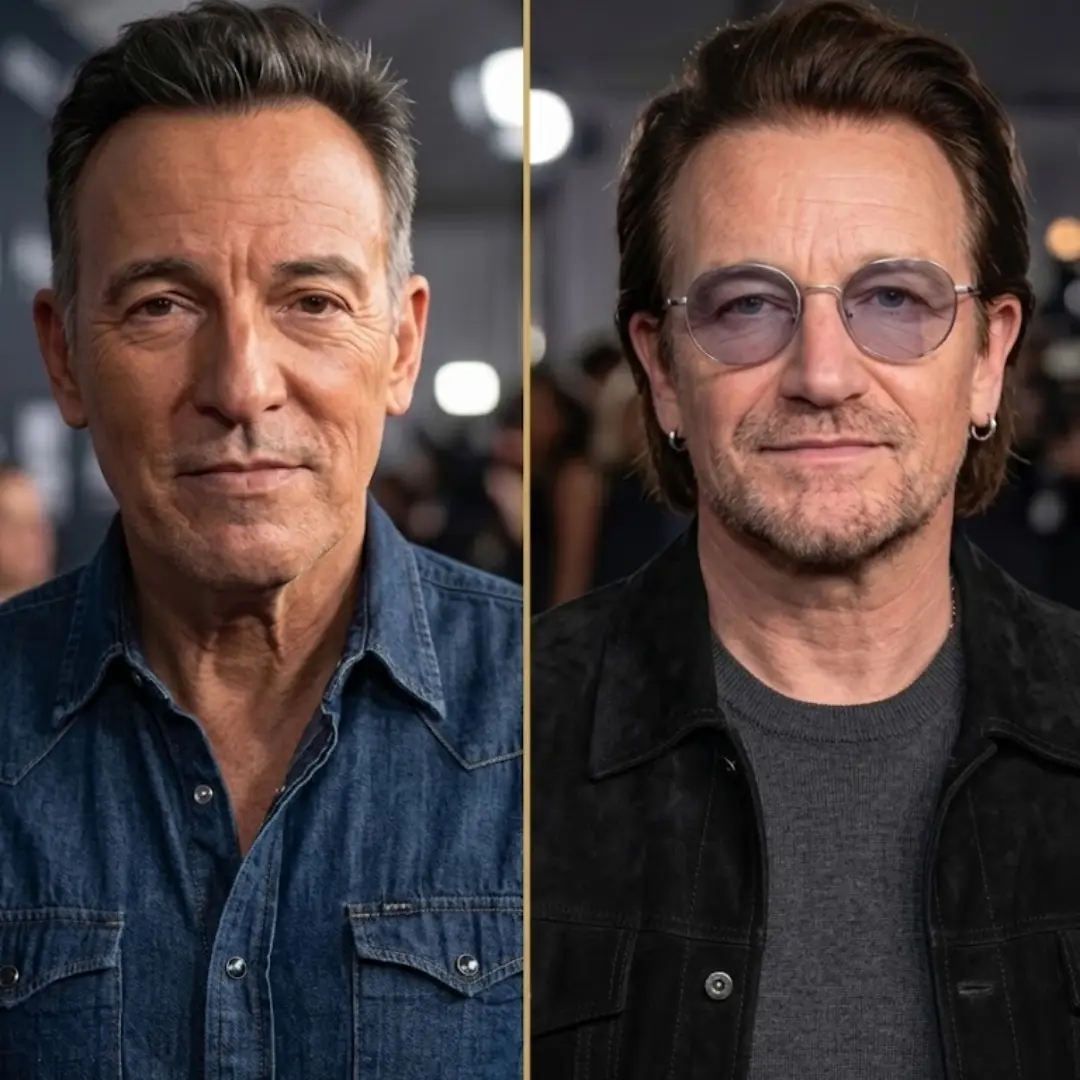
When Springsteen accepts the Harry Belafonte Award this summer, he won’t just be standing there as a musician with twenty Grammys and an Oscar. He will be standing there as a storyteller who refused to look away. In the spirit of Belafonte, Bruce continues to remind us that the American Dream isn’t a finished product, but a work in progress—one that requires us to keep singing, keep fighting, and above all, keep looking out for one another.