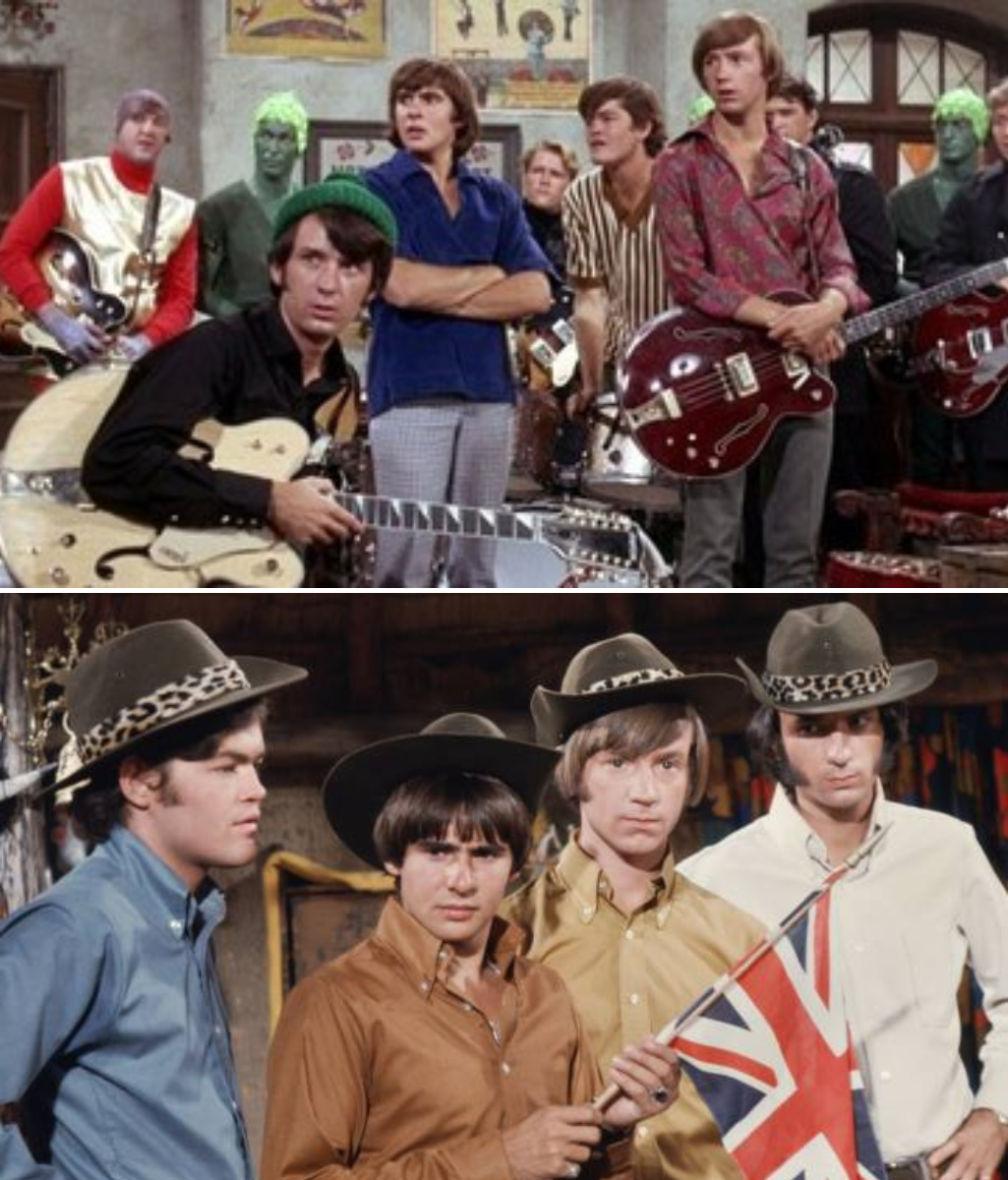
THIS DAY IN 1965 — HOW A NEWSPAPER AD GAVE BIRTH TO THE MONKEES AND A POP CULTURE PHENOMENON
On September 11, 1965, two small ads appeared in the pages of Daily Variety and The Hollywood Reporter. They were easy to overlook — just a few lines calling for “madness folk & roll musicians” to audition for a brand-new television project. But what followed would change pop culture history.
The response was overwhelming. An estimated 437 hopeful young men lined up, each carrying a guitar, a head full of dreams, and the hope that this could be their big break. The entertainment world has always thrived on auditions, but this one was different. It wasn’t just a call for actors. It was the search for a band — or at least, the appearance of one.
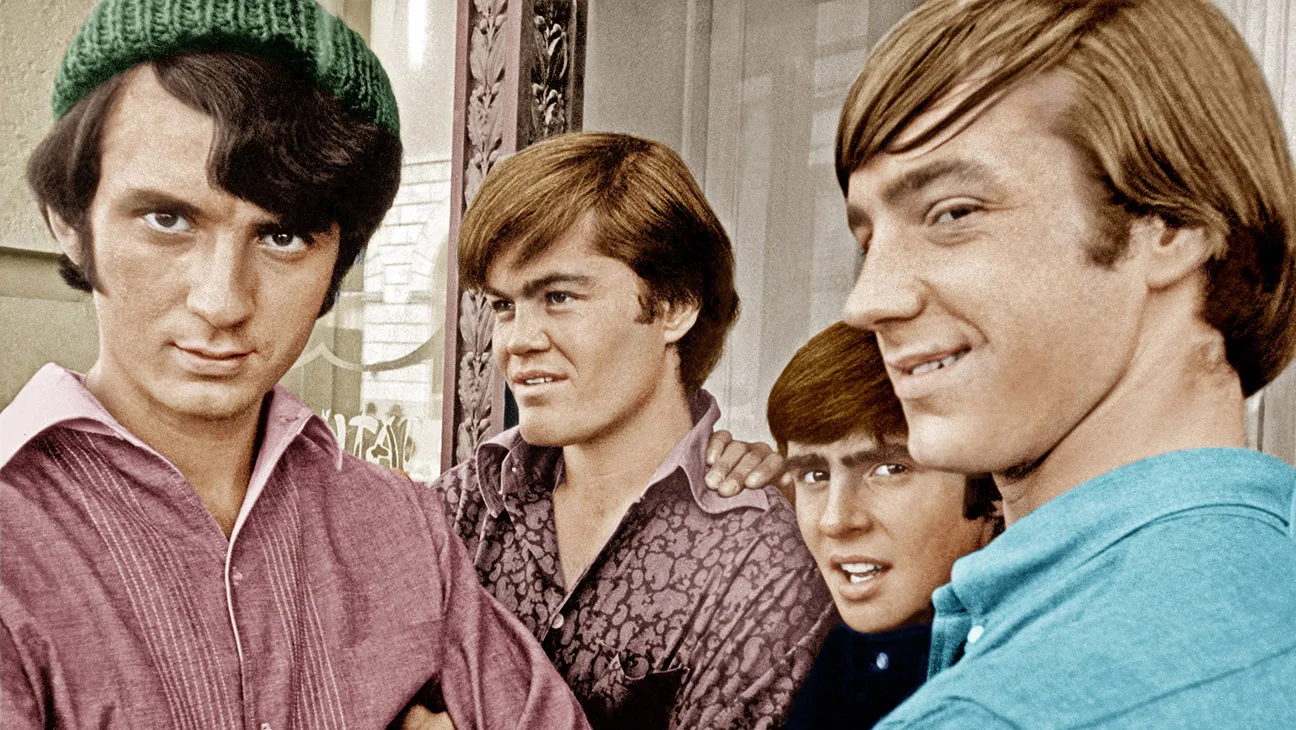
One piece of the puzzle had already been secured: Davy Jones, the British actor and singer whose charm and boyish looks had made him a rising star. Producers now needed three more faces, three more personalities, to fill out the cast of what they hoped would be television’s answer to Beatlemania. Soon, Micky Dolenz, Michael Nesmith, and Peter Tork were chosen, and together, they became The Monkees — a group unlike anything the world had seen before.
A year later, on September 12, 1966, The Monkees television show premiered on NBC. What began as a lighthearted sitcom quickly became a cultural juggernaut. With zany comedy, slapstick humor, and music woven into every episode, the show captured the spirit of the era — youthful, irreverent, and full of possibility.
But what set The Monkees apart was their music. Hits like “Last Train to Clarksville,” “I’m a Believer,” and “Daydream Believer” didn’t just serve as backdrops for television antics. They climbed the charts, sold millions of records, and became anthems for a generation. Critics initially scoffed at them as “the prefab four,” a manufactured imitation of The Beatles. Yet the songs — crafted with help from top songwriters like Carole King, Neil Diamond, and Tommy Boyce & Bobby Hart — had staying power.
And soon, the Monkees themselves proved they were more than just actors. By their third and fourth albums, they were playing their own instruments, writing songs, and taking control of their sound. What began as a scripted experiment blossomed into a genuine band, one that left an indelible mark on both music and television history.
The numbers tell one part of the story: Emmy Awards for their television show, chart-topping singles, and sold-out tours. But the deeper truth lies in the way their work endured. The Monkees became more than a television gimmick. They became companions in living rooms, voices on radios, and, eventually, symbols of the joy and optimism of the late 1960s.
Looking back, it is almost impossible to believe that it all began with two small ads in the trade papers. From those humble beginnings, four young men stepped into a whirlwind that would carry them into the hearts of millions.
Today, nearly six decades later, the music of The Monkees still plays — on turntables, streaming playlists, and in the memories of fans who grew up believing, if only for 30 minutes a week, that four friends in a beach house could chase dreams, make music, and remind us all to laugh.
The birth of The Monkees wasn’t just the start of a television show. It was the start of a phenomenon.
Video