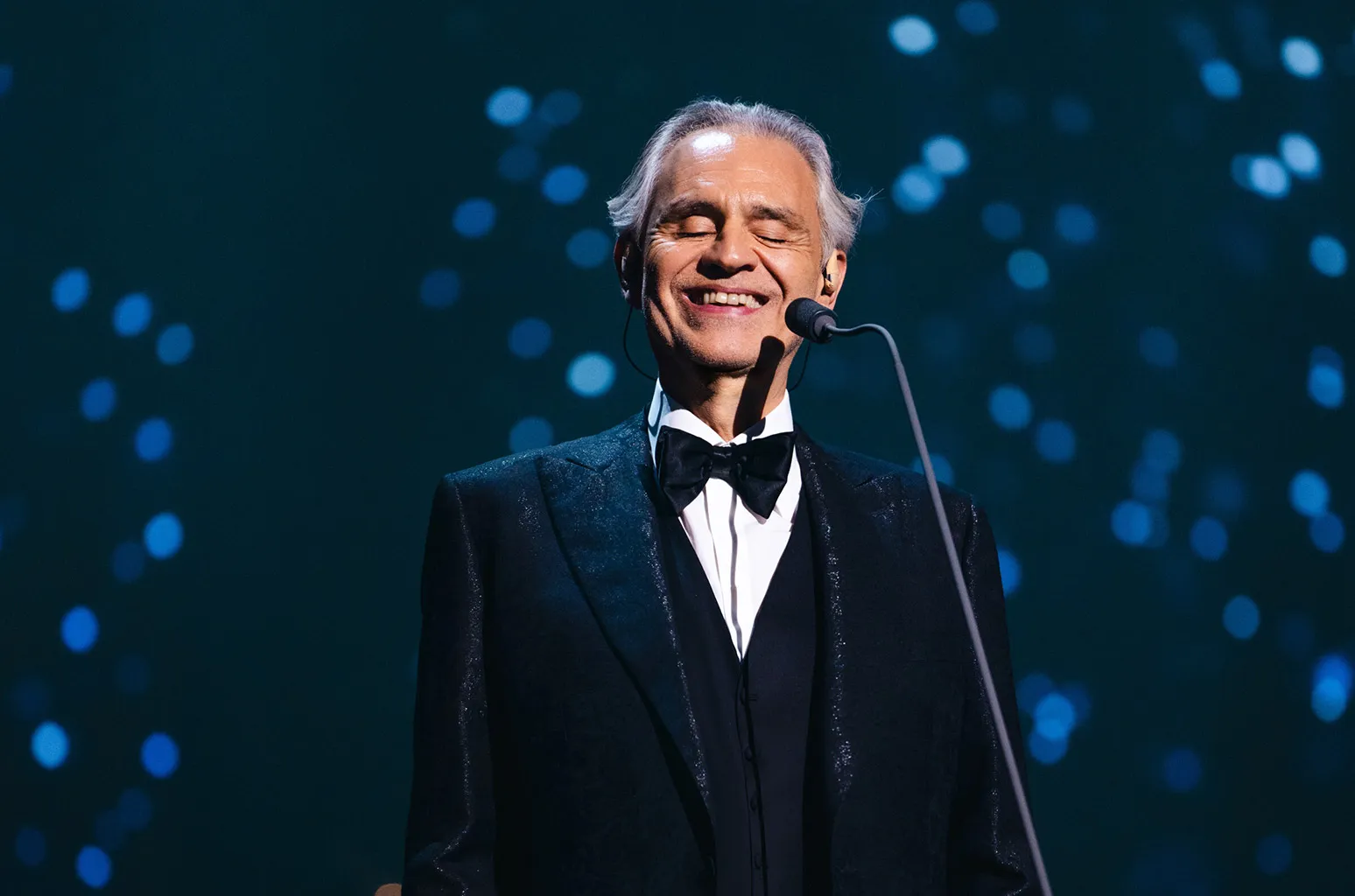
The FIFA World Cup 2026 opening ceremony was expected to be a celebration of sport, culture, and global unity. What unfolded, however, became something far more emotional—a moment that felt less like a performance and more like a reflection of human resilience told through music.
On stage, three artists appeared whose backgrounds could not have been more different. Andrea Bocelli, EJAE, and David Guetta each carried a personal story shaped by struggle, persistence, and transformation. Yet for a brief moment, those separate paths merged into one shared stage in front of a global audience.

Andrea Bocelli’s presence alone carried deep emotional weight. Known worldwide for his extraordinary voice, his journey has been defined by overcoming the loss of sight and building a career that has touched millions. His story has long stood as an example of how limitation can be transformed into strength when paired with passion and discipline.
Alongside him was EJAE, an artist whose path reflected a different kind of challenge. Before recognition arrived, there were periods of rejection and uncertainty. Like many artists, she faced moments where her future in music was unclear. Yet persistence eventually brought her to a stage where her voice could finally be heard on a global scale.
David Guetta brought yet another dimension to the performance. His career has been built over years of experimentation, reinvention, and dedication to sound. From early beginnings to becoming one of the most influential figures in modern electronic music, his journey reflects the evolution of music itself across decades.
What made the moment powerful was not just who they were individually, but what they represented together. Three different backgrounds. Three different struggles. Three different definitions of success. Yet all converging in a single performance watched by millions around the world.
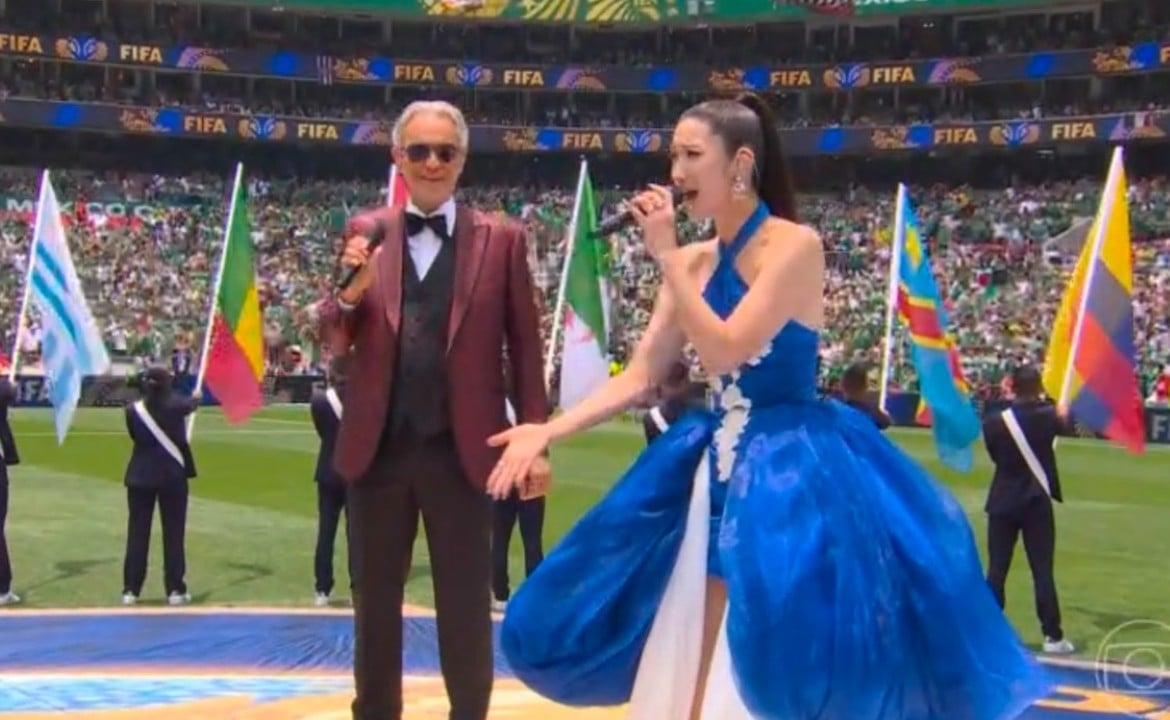
As DNA echoed through the stadium, the atmosphere transformed. Fireworks lit up the night sky, but the true impact came from the feeling inside the crowd. People from different countries, languages, and cultures found themselves connected by the same rhythm, the same chorus, the same moment.
For a brief stretch of time, the usual divisions faded. The focus shifted away from competition and toward something more universal. The performance became a reminder that music often succeeds where words and borders cannot.
What stayed with audiences afterward was not just the scale of the production, but the meaning behind it. The idea that every visible moment of success is built on years of unseen effort, doubt, and perseverance.
In the end, the World Cup opening ceremony did what great global moments often do—it told a story larger than the event itself. One of struggle, persistence, and unexpected connection.

And for those few minutes on stage, it proved something simple but powerful: sometimes the people who are told “no,” who face loss, or who spend years searching for their place, are the very ones who create moments the world never forgets.