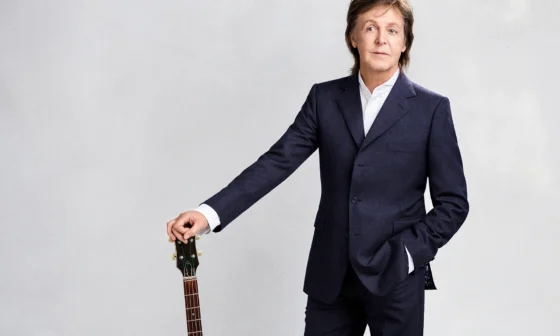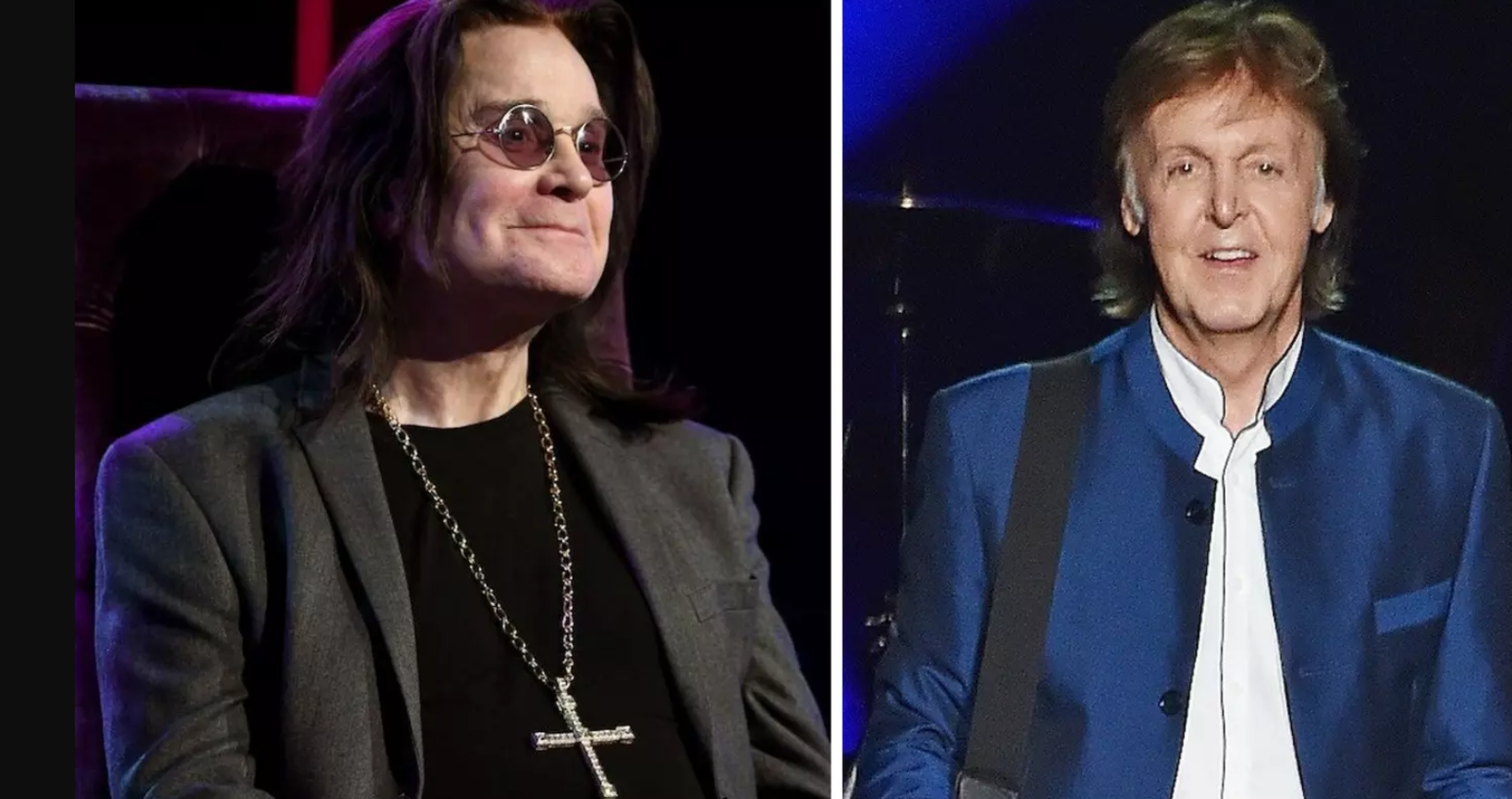
Few artists command global attention like Paul McCartney. Decades after rising to fame with The Beatles, his performances still draw massive crowds and emotional reactions. So when alarming news begins to circulate, it spreads quickly—and that’s exactly what’s happening now.
Posts shared across social media are claiming that McCartney collapsed mid-performance during a concert in London. According to these reports, the moment came suddenly, with no visible warning. The music allegedly stopped as crew members and medical personnel rushed to assist him, while the audience watched in shock.
The descriptions are dramatic, painting a scene of confusion and concern inside a packed venue. Some versions of the story even mention an official statement and urgent medical care, adding to the sense of urgency surrounding the claim.
However, there’s a critical detail missing: verification.
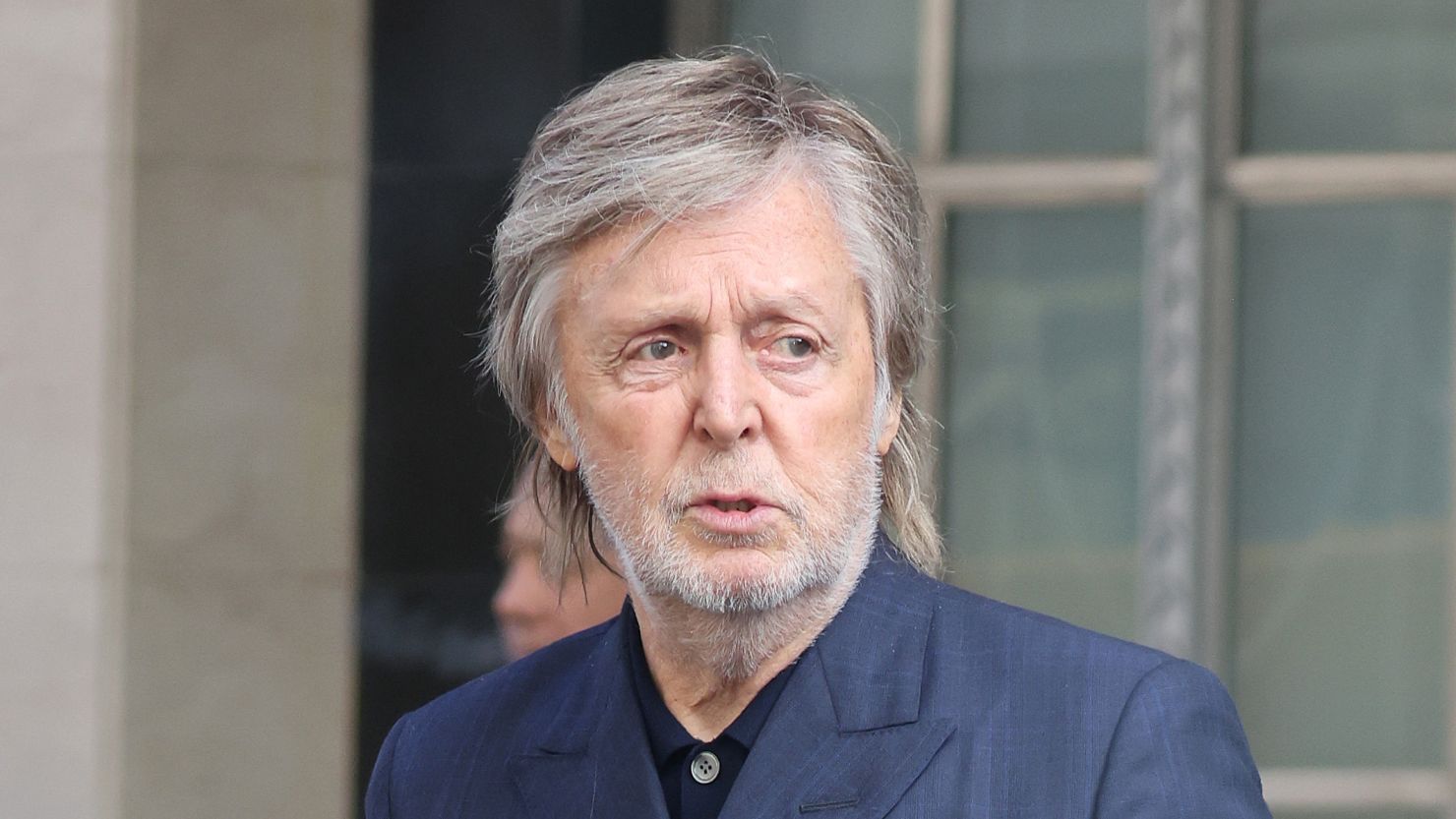
As of now, no major news organizations, official representatives, or confirmed sources have reported that such an incident has taken place. There are no verified statements from McCartney’s team, no widely recognized footage from reputable outlets, and no consistent, reliable confirmation of the event.
This gap between viral claims and confirmed information is increasingly common. Social media allows stories—especially emotional or shocking ones—to spread at a pace far faster than they can be verified. When the subject is a beloved figure like McCartney, the reaction is immediate: concern, fear, and a flood of messages from fans around the world.
That response is understandable. McCartney isn’t just a performer; for many, he represents a lifetime of music, memories, and cultural history. The idea of something happening to him resonates on a deeply personal level for fans.
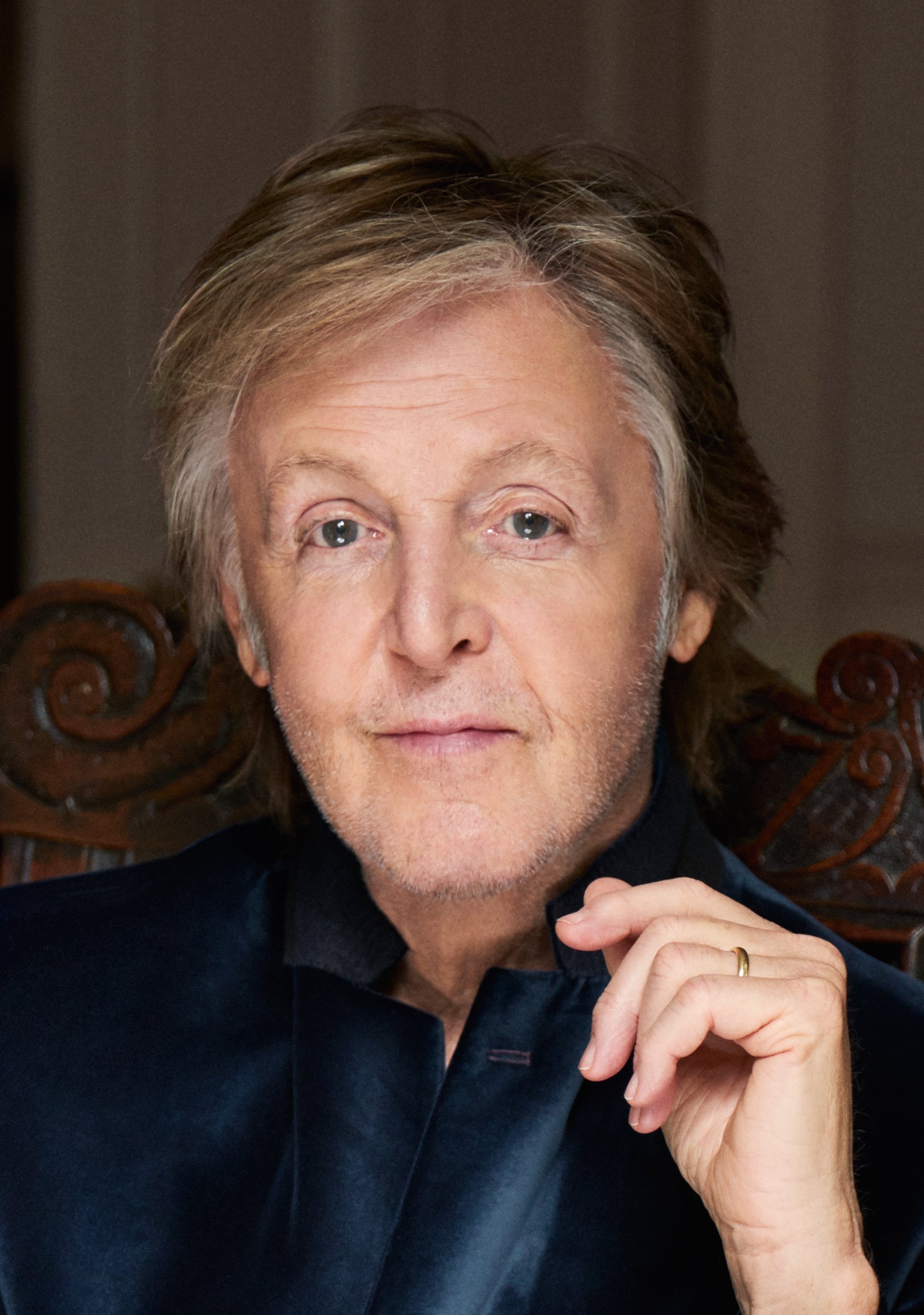
But situations like this also highlight the importance of pausing before accepting or sharing such claims. Misinformation, even when unintended, can create unnecessary panic and confusion.
McCartney, now in his later years, has continued to perform and appear publicly, often impressing audiences with his energy and dedication. While any concerns about his health would naturally draw attention, they would also be widely and reliably reported if confirmed.
For now, the most responsible approach is to wait for verified updates from trusted sources. Until then, the circulating story remains exactly that—a claim, not a confirmed event.
In the meantime, the reaction itself says something meaningful. Fans are quick to show support, concern, and appreciation, reminding us of the enduring connection between McCartney and his audience.
And while uncertainty can be unsettling, clarity will come from facts—not from the speed of a viral post.