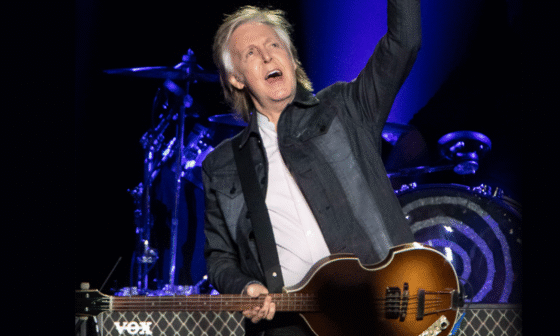
Few things travel faster than a shocking headline—especially when it involves a global icon like Paul McCartney. Recently, social media lit up with claims of a dramatic moment at Madison Square Garden, describing a sudden collapse during a live performance. For fans, the idea was alarming. But as quickly as the story spread, questions began to follow.
At first glance, the narrative had all the elements of a breaking news event: a packed arena, a legendary performer, and a sudden, unexpected interruption. According to the circulating posts, what began as a night of music transformed instantly into confusion and concern, with thousands of spectators left in shock.
Yet, despite the intensity of these claims, something important was missing—confirmation.
No reputable news outlets reported the incident. No official statements were released. And no verified footage or firsthand accounts emerged to support the story. In an era where nearly every live event is captured from multiple angles, the absence of clear evidence quickly raised doubts.

This situation highlights a growing pattern in how information spreads online. Emotional, high-impact stories—especially those involving well-known figures—can gain traction before they are ever verified. A dramatic headline can trigger immediate reactions, prompting shares, comments, and concern long before accuracy is established.
For fans of McCartney, the reaction was understandable. His influence spans generations, and his performances continue to draw audiences around the world. The thought of something going wrong during a show carries a personal weight for those who have followed his music for decades.
But moments like this also serve as a reminder to pause. In the rush to stay informed, it’s easy to overlook the importance of reliable sources. Not every widely shared story reflects reality, and distinguishing between fact and speculation has become an essential part of navigating modern media.#
There’s also a broader lesson about the relationship between artists and their audiences. The speed at which concern spread demonstrates how deeply people care—not just about the music, but about the person behind it. That connection is powerful, but it also makes fans more vulnerable to misinformation.
In the end, the supposed incident at Madison Square Garden appears to be more rumor than reality. While the image of a sudden on-stage emergency is unsettling, there is no verified evidence to support it.
For now, the best response is a measured one: rely on confirmed information, question dramatic claims, and remember that not every “breaking” story is what it seems.
Because sometimes, the loudest headlines say more about how we consume news than about what actually happened.