“We’re Not Done Yet”: McCartney and Starr Reignite The Beatles’ Spirit on a Global Stage

paul-mccartney

There are moments in music that feel almost impossible—moments that seem pulled from another era, yet somehow unfolding in the present. The recent announcement from Paul McCartney and Ringo Starr is one of those moments.

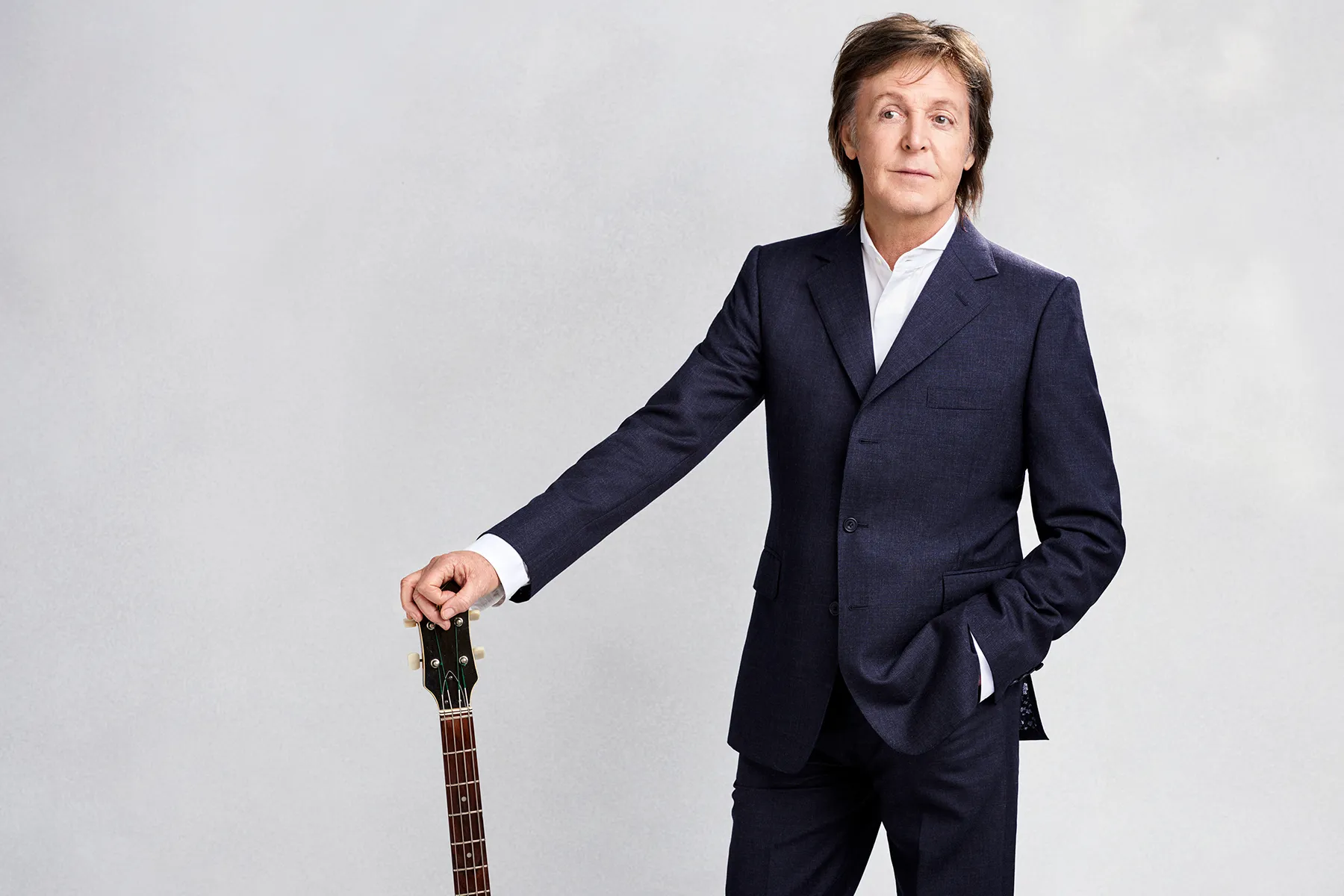
With a simple but powerful declaration—“We’re not done yet”—the two surviving members of The Beatles have ignited excitement across the globe. Their plan: a special celebration tour that honors the music, the memories, and the legacy of the band that changed everything.

For fans, it feels like history circling back.

McCartney and Starr have each carried The Beatles’ spirit forward in their own ways for decades. McCartney, with his marathon live shows and enduring connection to audiences, has kept the band’s catalog alive on stages worldwide. Starr, through his performances and collaborations, has preserved the heartbeat of those songs—the rhythm that helped define a generation.

But the idea of the two sharing a unified global celebration brings something entirely different. It’s not just about revisiting the past—it’s about re-experiencing it, together.

Details surrounding the tour remain limited, which has only added to the anticipation. Still, expectations are already soaring. Fans are hoping for performances of iconic songs that have shaped music history, from anthems of unity to deeply personal ballads. There is also speculation about emotional tributes—moments dedicated to John Lennon and George Harrison, whose presence continues to be felt in every note associated with the band.

Perhaps most exciting is the promise of rare, unscripted moments. These are artists who have lived the story they’re celebrating. Their shared glances, spontaneous interactions, and reflections between songs may carry as much weight as the music itself.

And then there’s the question that lingers in the background: is this a farewell, or a new beginning?

For artists of their stature, every appearance carries a sense of significance. A final bow would be deeply emotional—a closing chapter for one of the most influential musical journeys ever. But the tone of the announcement suggests something more open-ended, as if McCartney and Starr are not looking to conclude the story, but to continue writing it in a new way.

The response has been immediate and overwhelming. Tickets are already disappearing at a rapid pace, with fans eager to secure a place in what many are calling a once-in-a-lifetime experience. For some, it’s a chance to relive memories. For others, especially younger listeners, it’s an opportunity to witness a living connection to music history.

Because that’s what this tour represents.

Not just performances. Not just nostalgia. But a bridge—between generations, between past and present, and between the enduring power of music and the people who carry it forward.

As the world waits for more details, one thing is certain: when Paul McCartney and Ringo Starr step onto that stage together, it won’t just be a concert.

It will be a moment.

0 Shares:
Leave a Reply

Your email address will not be published. Required fields are marked *

You May Also Like
paul-mccartney
Read More

When Paul McCartney Shared a Stage With Rihanna and Kanye West —Looking Back at an Older, Almost Forgotten Performance Where a Beatle Legend Stood Calmly Between Pop and Hip-Hop, Bridging Generations Without Chasing Trends, Letting a New Era Take the Spotlight While Quietly Proving That True Icons Never Lose Themselves, Even as the Music World Moves On Around Them

🎤 Rewatching Paul McCartney, Rihanna & Kanye West’s “FourFiveSeconds” Now Feels Different — A Quiet Crossroads Where Generations…
Ignazio Boschetto
Read More

When Silence Spoke Loudest: Ignazio Boschetto’s Quiet Moment During “Grande Amore”It was meant to be a charity concert in Rome, but for those present, it became something far more intimate—a moment that felt less like a performance and more like a memory unfolding in real time. Ignazio Boschetto took the stage that evening with the quiet confidence of someone used to standing in front of audiences. Yet this time, the focus shifted away from him. The spotlight slowly moved toward Michelle Bertolini, his wife, who stepped forward without dramatic introduction or visible tension. The choice of song was not random. “Grande Amore” is not just one of the defining pieces of Ignazio’s career—it is a song that represents a chapter of his artistic identity, one that has been performed across stages around the world. But this time, it returned in a different form, carried by the voice of someone who shares his private world. As the opening notes began, the atmosphere in the room shifted almost instantly. Conversations faded. Movement slowed. The audience seemed to collectively recognize that what they were witnessing was not a standard performance. Ignazio did not join in. Instead, he remained still. With his hands gently resting and his posture calm, he watched and listened. There was no attempt to perform alongside her, no interruption of the moment. His silence became part of the performance itself—an unspoken presence that grounded everything happening on stage. Observers in the room noted how his expression remained steady throughout. It was not detachment, but attention. A quiet acknowledgment of something deeply familiar being reshaped in front of him. Hearing a song so closely tied to his own career, performed by someone he loves, created a layer of meaning that words would likely have interrupted rather than enhanced. As the song progressed, the silence around him seemed to deepen rather than fade. In many concerts, applause or vocal reactions fill the gaps between powerful moments. Here, however, the absence of noise became the defining feature. Every note carried further because nothing competed with it. There was no need for spectacle. No exchange of gestures between performer and audience. Just a shared experience unfolding slowly, almost carefully, between two people and the music that connected them. When the final notes finally faded, the room reportedly remained quiet for a brief moment longer than expected—an instinctive pause, as if no one wanted to break the atmosphere too quickly. What stayed with many in attendance was not a dramatic gesture or a climactic reaction, but the simplicity of Ignazio’s stillness. A silence that did not feel empty, but full—of memory, meaning, and something deeply personal that could not be fully expressed through applause. In the end, it wasn’t just “Grande Amore” that was heard that night. It was what silence can sometimes say when words and music briefly meet in the same space.

It was meant to be a charity concert in Rome, but for those present, it became something far…