Televised musical collaborations often follow a familiar pattern: polished staging, rehearsed precision, and carefully balanced performances designed to entertain a broad audience. But every so often, a moment breaks through that structure and feels unexpectedly human.
That is exactly what happened when Il Volo joined forces with Helene Fischer for a performance of “A Chi Mi Dice.”
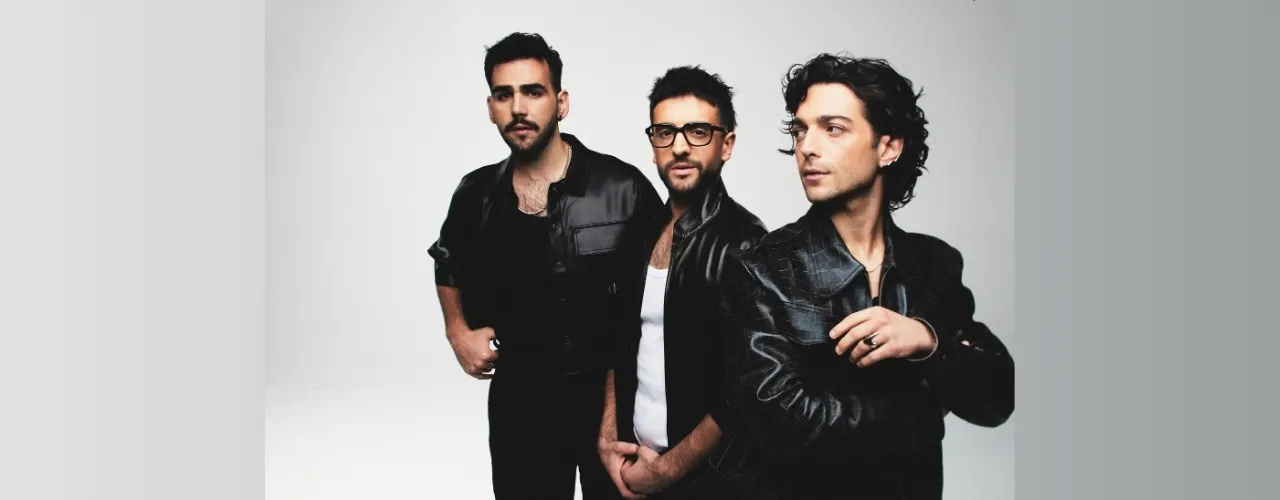
From the beginning, the setup suggested something special. Four accomplished vocalists shared the stage, each bringing their own identity and artistic background. Il Volo, known for their operatic-pop fusion and powerful harmonies, paired with Fischer’s strong presence and emotional clarity. On paper, it was a collaboration designed for impact.
But what unfolded went beyond expectation.

The performance began with elegance and control. “A Chi Mi Dice,” already a song rooted in emotion, provided a natural foundation for vocal expression. Each artist contributed in a way that felt balanced and intentional. Piero Barone, Ignazio Boschetto, and Gianluca Ginoble blended their signature harmonic style with Fischer’s expressive phrasing, creating a layered sound that immediately drew attention.
As the song progressed, however, something subtle began to change. The performance stopped feeling like a structured collaboration and started feeling like a shared emotional space.
Rather than four separate performers alternating lines, the music began to flow as a single continuous expression. The transitions became smoother, the harmonies richer, and the emotional tone increasingly unified. It was no longer about individual moments—it was about collective storytelling.
The studio audience responded instinctively. Conversations faded. Movement slowed. Attention became fully centered on the stage. It wasn’t dramatic silence, but focused silence—the kind that happens when a performance quietly takes over a room.

The most talked-about moment arrived during the song’s emotional peak. As all four voices merged, the distinction between them seemed to disappear entirely. The harmony became so seamless that it felt less like arrangement and more like instinct. Each voice supported the other without effort, building a sound that felt complete in itself.
Viewers later described the moment in similar ways: some felt chills, others described it as overwhelming, and many simply called it unforgettable. What stood out wasn’t just vocal ability, but emotional alignment—an unspoken understanding between artists who had only just come together on stage.
When the final note arrived, the energy in the studio shifted instantly. Applause broke out with force, but it came after a brief pause—one of those rare seconds where an audience collectively absorbs what it has just experienced before reacting.
In a media landscape filled with carefully produced performances, this collaboration stood out because it felt unforced. There was no attempt to dominate the moment. Instead, each artist contributed to something larger than themselves.

And that is why the performance continues to circulate among fans. Not because it was technically perfect, but because it felt real in a way that television performances rarely do.
Sometimes, music doesn’t need to announce itself. It simply needs the right voices in the same room at the right time—and something unrepeatable happens.