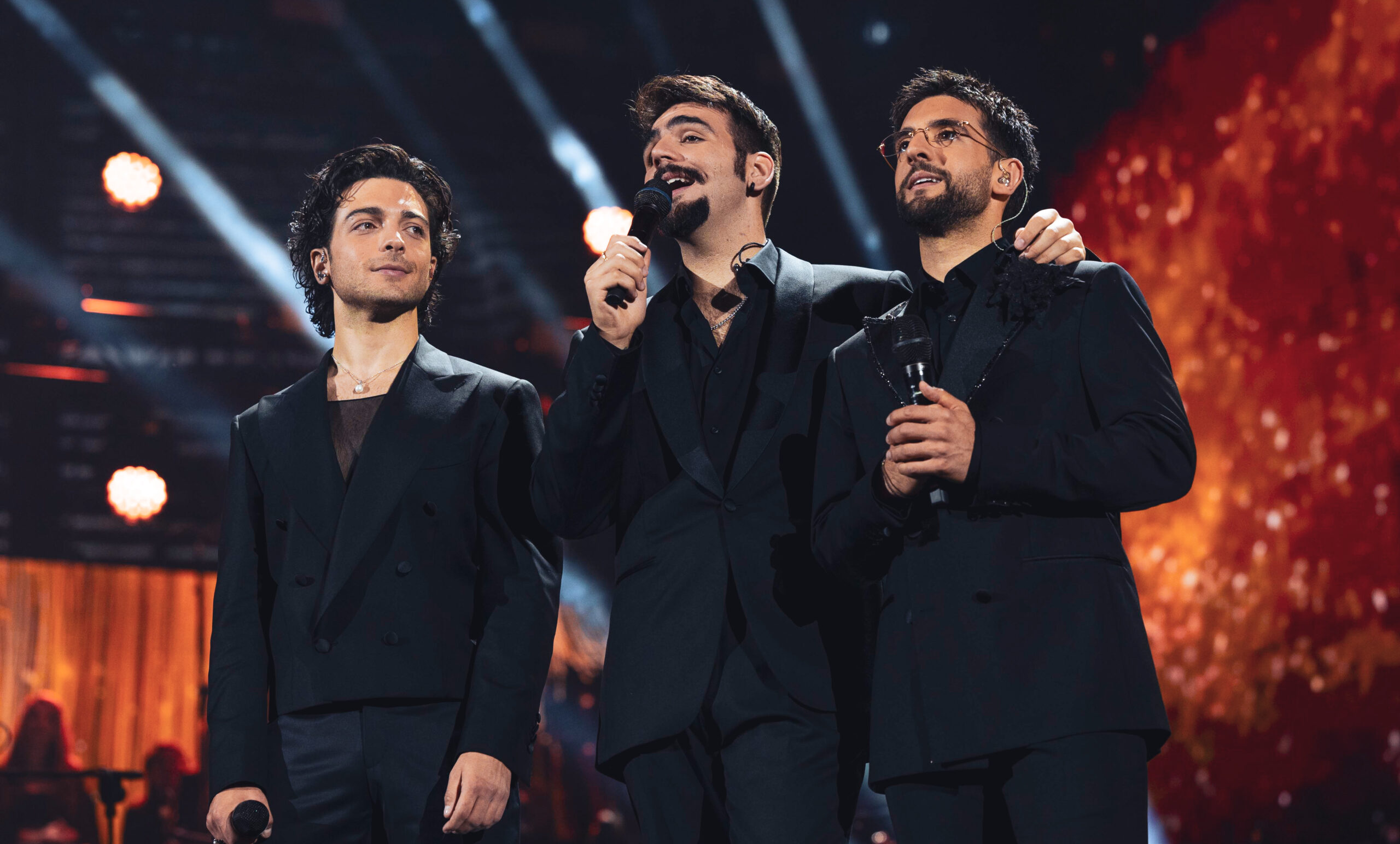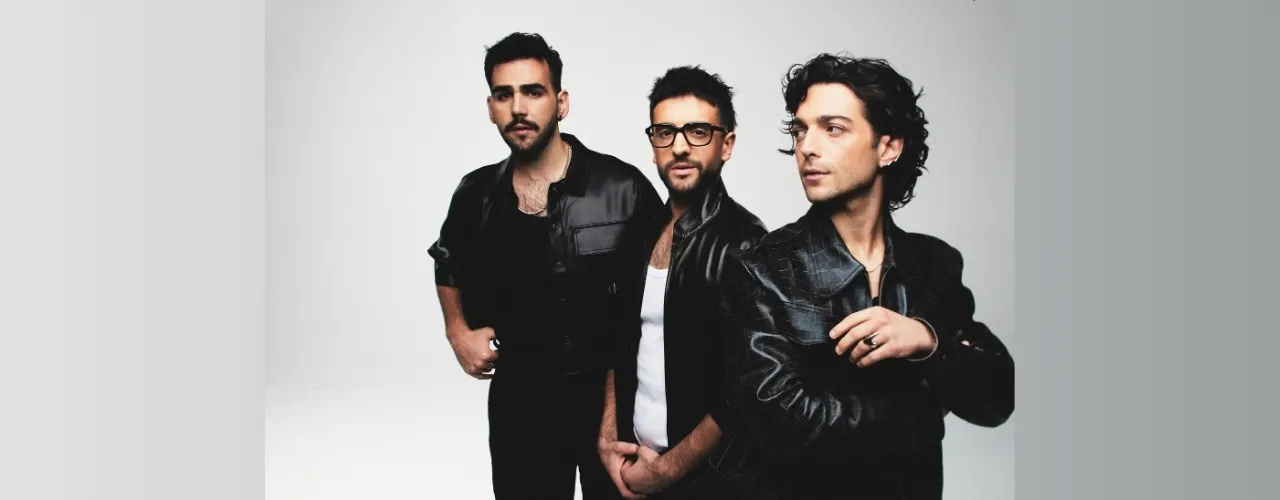
There are performances that entertain, and then there are moments that quietly settle into memory, long after the sound has faded. One such moment unfolded at the historic Arena di Verona during a 2024 rendition of “Hallelujah,” where music and atmosphere seemed to merge into something far more reflective than a typical concert experience.
The Arena di Verona, with its centuries-old stone structure and open-air design, has long been known for its ability to amplify emotion as much as sound. On this particular night, that reputation felt especially fitting. As the first notes of “Hallelujah” were played, a noticeable shift passed through the audience. Conversations stopped. Movements slowed. Even the usual restlessness of a large crowd seemed to dissolve into stillness.
What followed was not just a performance, but a shared emotional experience. Thousands of small lights—phones raised across the amphitheater—began to glow in the darkness. From above, the arena resembled a quiet constellation, each light representing someone fully present in the moment. The visual effect was striking, but it was the silence within the crowd that gave it weight.
As the song continued, reactions became more personal and less visible from a distance. Some audience members were seen quietly emotional, wiping away tears without drawing attention. Others leaned closer to the people they came with, holding onto shared understanding rather than words. Many simply stood still, as if any movement might break the atmosphere that had formed so naturally.
“Hallelujah,” a song often associated with themes of reflection, longing, and emotional honesty, seemed to carry even more depth in this setting. The structure of the arena, the collective attention of thousands, and the simplicity of the arrangement worked together to create a space where the lyrics felt less like performance and more like conversation.
By the time the final line was sung, the response was not immediate applause or noise, but a brief, almost respectful silence. It was the kind of silence that doesn’t feel empty, but full—like everyone present needed a moment before returning to the present world.

Moments like this are rare in large-scale live music. They don’t rely on production or spectacle, but on alignment: the right song, the right place, and an audience willing to simply be present.
That night at Arena di Verona didn’t feel like it ended when the music stopped. It lingered, carried out of the amphitheater in memory, in conversation, and in the quiet recognition that sometimes music doesn’t just fill a space—it changes how that space is felt.