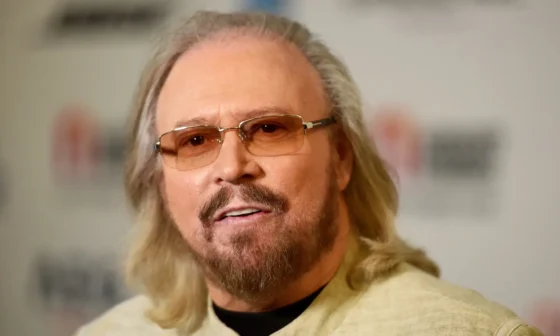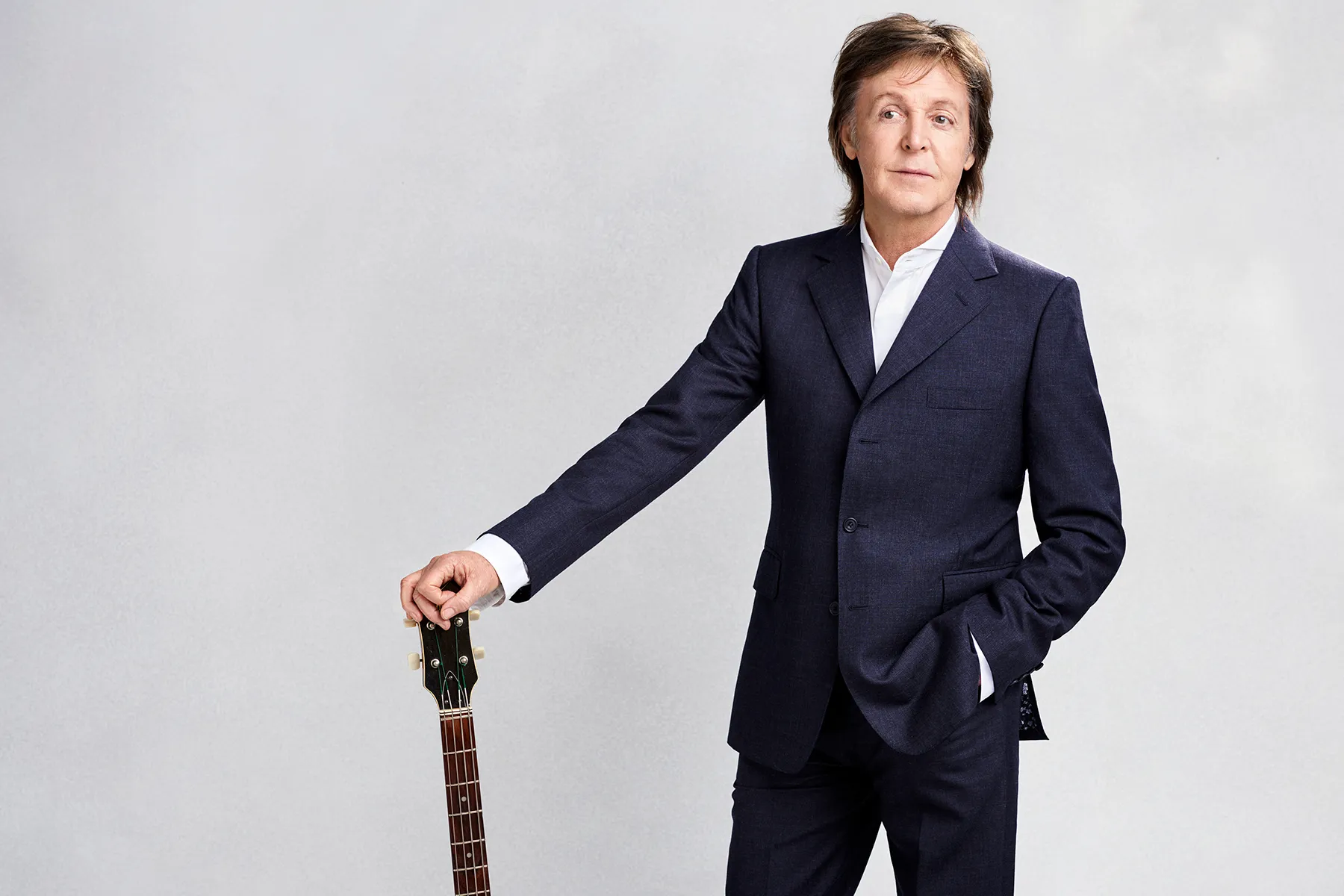
In today’s fast-moving digital landscape, it doesn’t take much for a rumor to gain traction — especially when it involves someone as globally recognized as Paul McCartney.
Recently, claims began circulating online suggesting that McCartney is unhappy with the current political climate in the United States and may be considering leaving the country. The idea quickly caught attention, sparking debate and strong reactions across social media platforms. But beneath the noise, one key detail stands out: there is no verified evidence that McCartney has made such a statement.
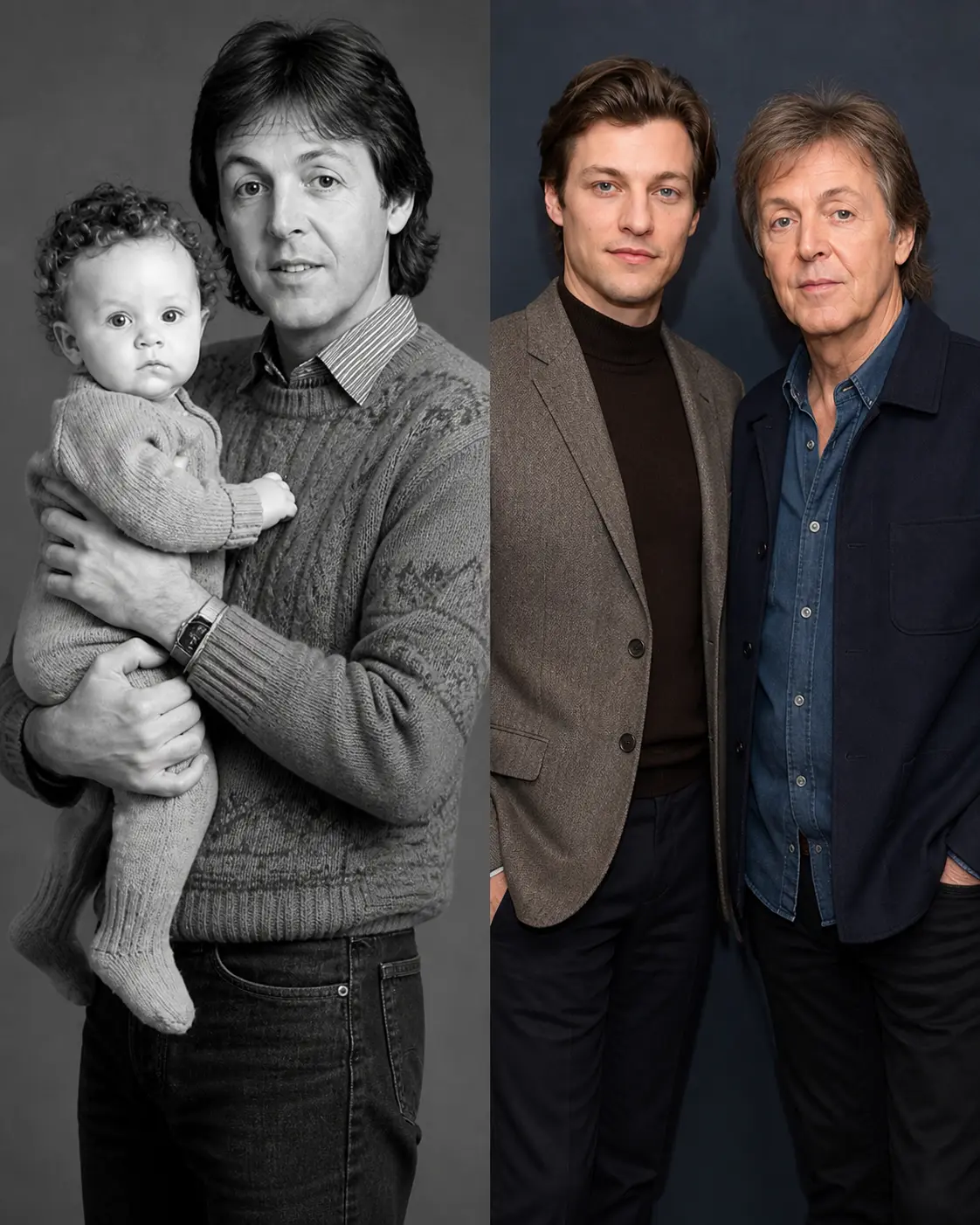
This kind of situation isn’t new. Public figures have long found themselves at the center of conversations they didn’t necessarily start. What has changed, however, is the speed and scale at which these narratives spread. A single post, comment, or interpretation can quickly evolve into something that feels like established fact — even when it isn’t.
Part of the reason these stories gain momentum is because they tap into broader, ongoing discussions. In this case, debates around national priorities — including border security, energy independence, and economic direction — are already deeply felt and widely discussed. When a well-known name becomes attached to those topics, it can amplify emotions on all sides.
Supporters of current policies often point to measurable goals and outcomes they believe are strengthening the country. Others view the same policies through a different lens, focusing on how they affect individuals, communities, and long-term societal balance. These differing perspectives are part of a larger, ongoing conversation — one that extends far beyond any single celebrity.

What makes moments like this particularly revealing is how information is interpreted and shared. A suggestion can become an assumption. An assumption can become a headline. And before long, a narrative takes shape that feels real, regardless of its origin.
For McCartney, whose legacy is rooted in music rather than politics, being drawn into such discussions highlights a broader reality: visibility often comes with unintended roles. Even without direct involvement, public figures can become symbols within debates that reflect larger societal divides.
This doesn’t necessarily mean the conversations themselves are without value. On the contrary, they often reflect genuine concerns, beliefs, and priorities held by different groups of people. But it does underscore the importance of distinguishing between verified information and speculation.

In an environment where reactions can outpace facts, taking a moment to question the source of a claim becomes more important than ever. Not every widely shared statement has a clear origin, and not every narrative is grounded in confirmed reality.
Ultimately, this situation is less about whether Paul McCartney plans to stay or leave, and more about how quickly a story can form around uncertainty. It’s a reminder that in the age of constant information flow, clarity doesn’t always come first — but it should still matter most.