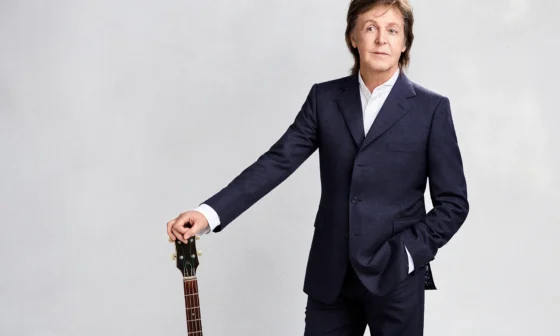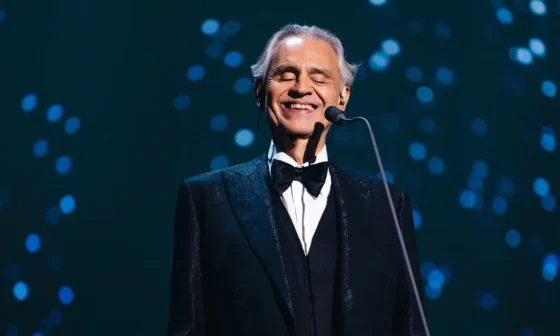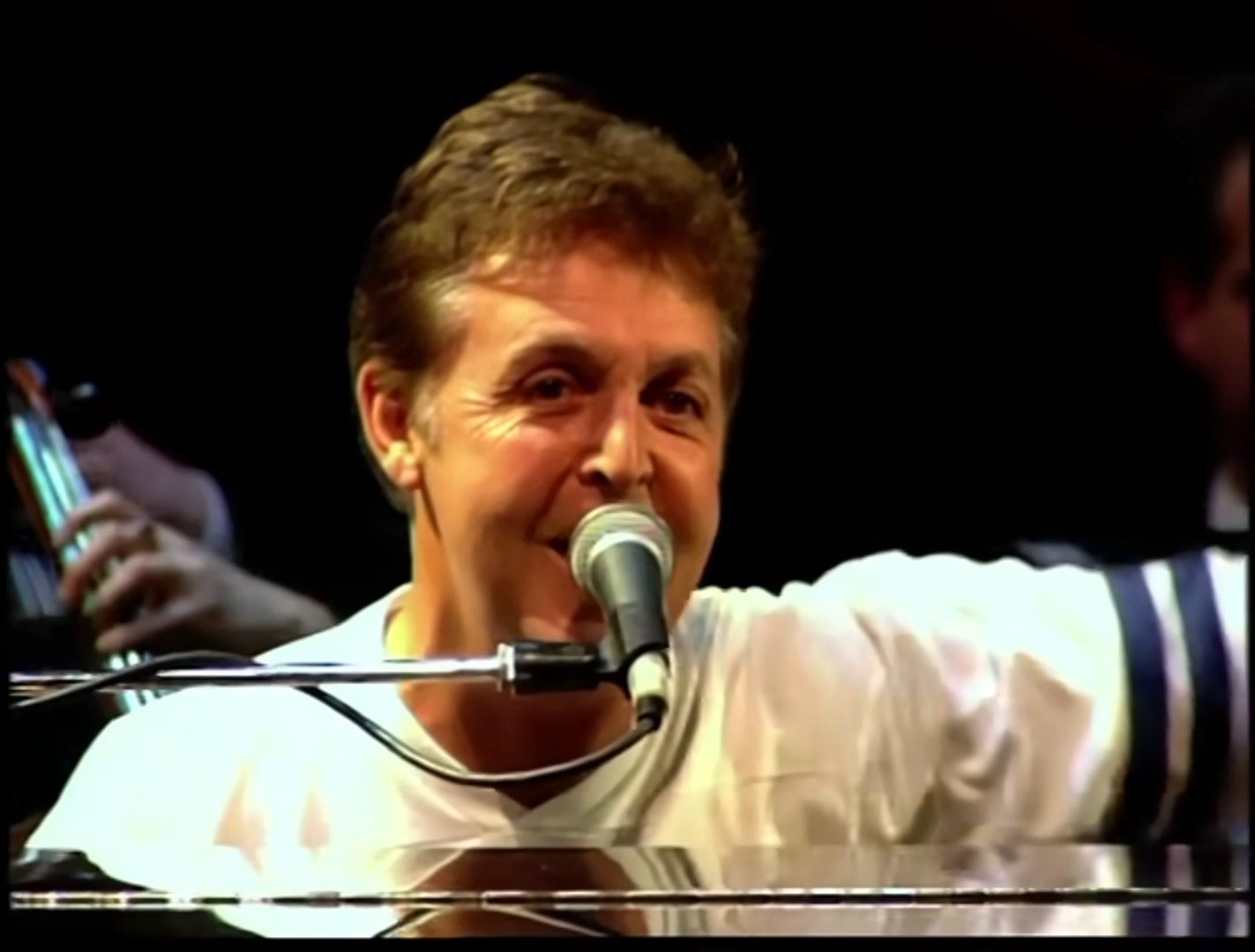
Music and politics have crossed paths for decades, sometimes subtly, sometimes with unmistakable force. This week, that intersection came into sharp focus when Paul McCartney and Donald Trump found themselves at the center of a public exchange that quickly moved beyond a single concert stage.
It began in Los Angeles, where McCartney—now in his 80s but still performing to packed arenas—opened a show with remarks that caught the audience’s attention. Known primarily for his music rather than political speeches, he delivered pointed criticism aimed at Trump, reportedly including a remark calling him a “snowflake” who “can’t handle the truth.”
For fans in attendance, the moment felt unexpected but not entirely out of place. McCartney’s career, shaped in part through his work with The Beatles, has always existed alongside moments of cultural and social commentary. While he has rarely positioned himself as overtly confrontational, he has never been completely silent on issues he cares about.
This time, however, the response was immediate.
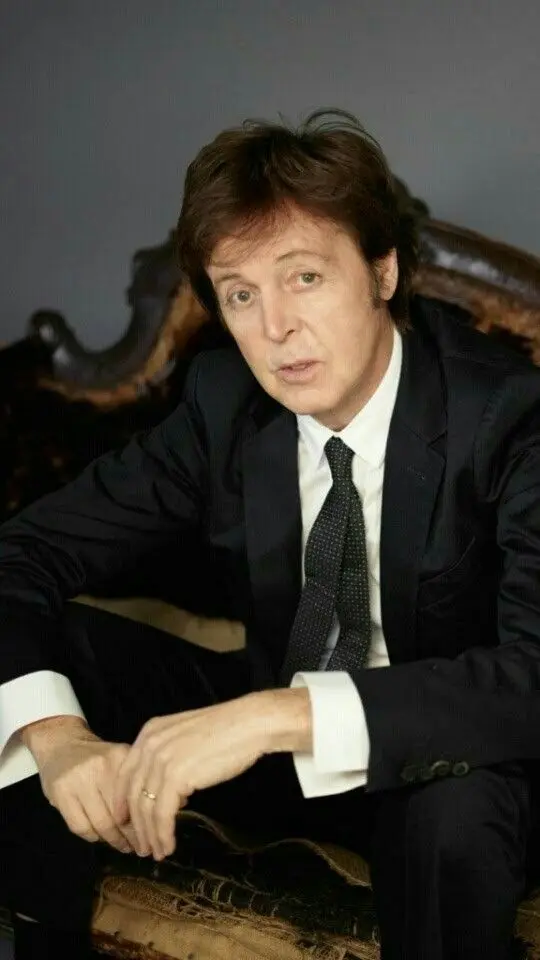
Trump fired back publicly, criticizing McCartney and calling on his supporters to boycott the legendary musician. The reaction added a new dimension to what might otherwise have remained a fleeting moment within a live performance. Instead, it became a widely discussed exchange, drawing attention from both political circles and music fans alike.
For many observers, the situation highlights a familiar tension. Artists often use their platforms to express personal views, while public figures—especially those in politics—respond in kind when those views are directed at them. The result is a conversation that extends far beyond its original context.
Among fans, reactions have been mixed.
Some see McCartney’s comments as an extension of artistic freedom—a continuation of a long tradition in which musicians speak openly about the world around them. Others feel that concerts should remain separate from political discourse, viewing such remarks as a distraction from the music itself.
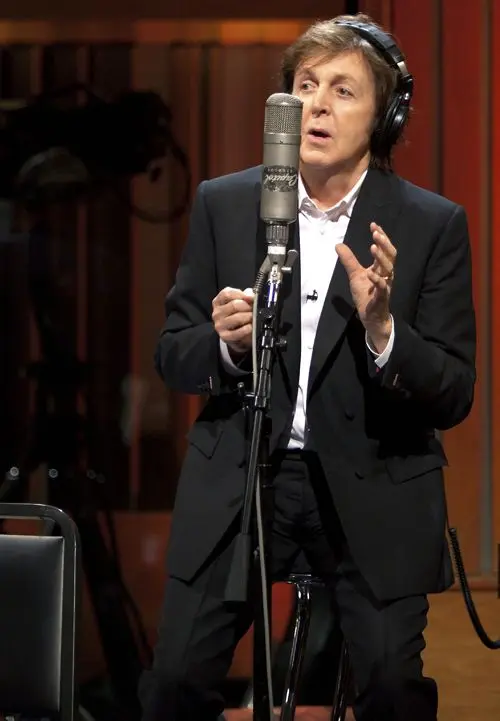
At the same time, Trump’s call for a boycott has sparked its own debate. Supporters argue that consumers have the right to respond to public statements by choosing where to spend their attention and money. Critics, however, question whether such responses risk turning cultural spaces into arenas of division rather than connection.
Lost in the noise, perhaps, is the original setting of the moment: a live concert.
For decades, McCartney’s performances have been defined by songs that bring people together—melodies that cross generations and backgrounds. Whether performing classics from The Beatles or later solo work, his concerts are typically spaces of shared experience, where differences fade into the background, at least for a few hours.
This recent exchange complicates that picture, reminding audiences that even in music, the outside world is never entirely absent.
And yet, the enduring power of music may lie in its ability to hold all of these layers at once. A song can carry personal meaning, cultural history, and even political context—sometimes simultaneously. What listeners choose to focus on often depends on their own perspectives.
As the conversation continues, one thing remains clear: moments like this resonate not just because of who is involved, but because of what they represent. The blending of art and opinion, performance and perspective, is not new—but it continues to evolve with every generation.
For now, the stage has extended beyond the arena.
And the audience, as always, is left to decide what to hear—and what it means.