The anthem nobody expected
When Paul and Linda McCartney released Uncle Albert / Admiral Halsey in 1971, few could have predicted that the quirky, patchwork track would become one of the most beloved post-Beatles anthems. A strange cocktail of whimsy, surreal lyrics, and kaleidoscopic melodies, the single seemed, at first, almost too odd to succeed. Yet within months it soared to No. 1 on the U.S. charts, cementing Paul’s ability to reinvent pop on his own terms. For fans still aching from the Beatles’ breakup, the song became a statement: McCartney could carry the flame forward, but in his own eccentric way.
A collage of chaos and charm
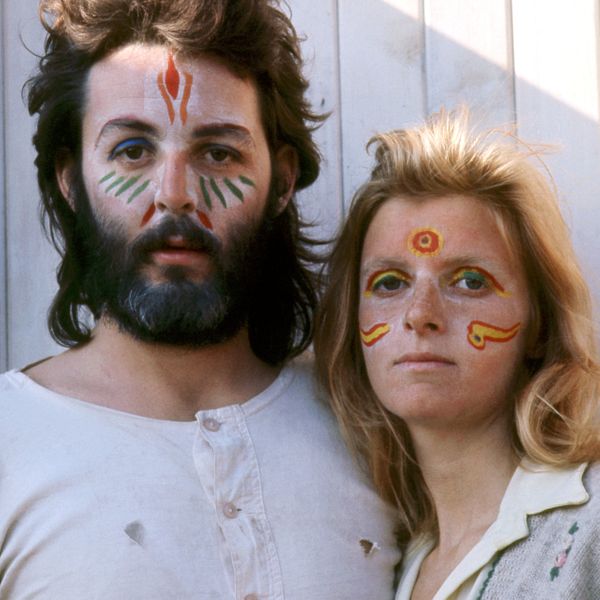
The track stitched together fragments of melodies like a musical collage. One moment, Paul’s playful vocals drifted in like a lullaby; the next, Linda’s harmonies chimed against brass fanfares, marching rhythms, and oddball lyrics that sounded like half-remembered nursery rhymes. To critics, it was confusing — even nonsensical. But to listeners, the whimsy became magic. It wasn’t a traditional love song or a polished rock anthem, but something stranger: a sonic scrapbook of Paul and Linda’s shared creativity, chaotic yet comforting, like being let into their private world.

From skepticism to success
Early reviewers scratched their heads, unsure whether to take the song seriously. But audiences decided for themselves — and embraced it wholeheartedly. Within weeks, Uncle Albert / Admiral Halsey became McCartney’s first U.S. solo chart-topper, proof that his instincts, however unconventional, could still define the pop landscape. Fans today still marvel at the high-quality recording, noting how the production balances absurdity with beauty, turning nonsense into an anthem. “It’s like a dream you don’t quite understand but never want to wake from,” one fan wrote online, summing up the track’s enduring appeal.
The strangest love letter ever written
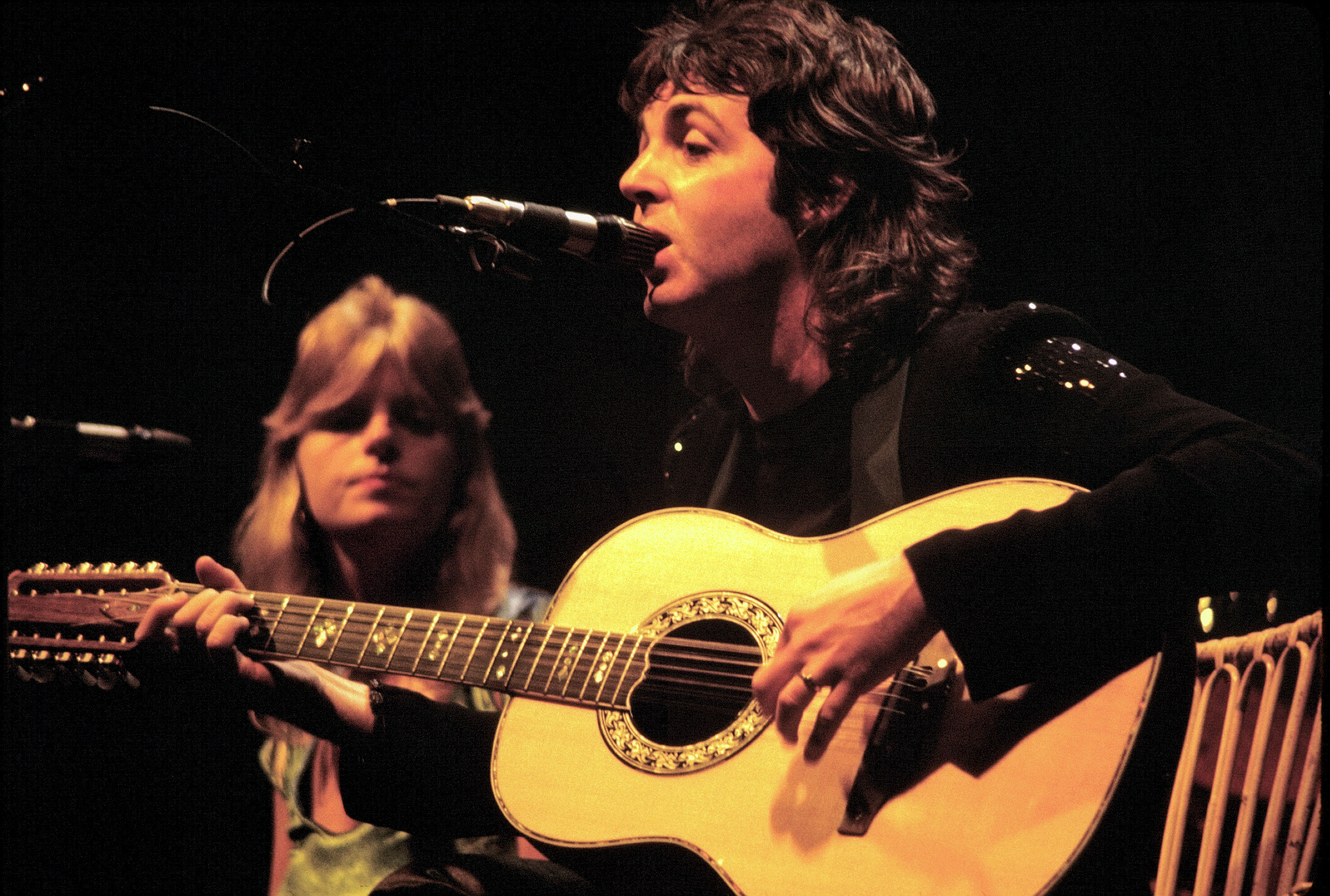
Whispers over the years suggest McCartney quietly admitted that the song remained one of his proudest solo achievements — not because it was perfect, but because it was theirs. For Paul and Linda, it was less a polished statement than an experiment in togetherness, a canvas for play, laughter, and intimacy disguised as pop. Decades later, tabloids now dub it “the strangest love letter ever written,” a reminder that not all romance needs roses and rhymes. Sometimes love is found in nonsense, in playful scraps of melody, in the courage to make art that confuses before it comforts. And that, perhaps, is why Uncle Albert / Admiral Halsey endures: because beneath its quirks lies a truth as lasting as any ballad — that joy itself can be the most radical statement of all.