It was already shaping up to be a memorable night in Los Angeles—a gathering of musicians, friends, and fans coming together to celebrate the life and music of Jimmy Buffett. The atmosphere carried that familiar mix of warmth and nostalgia, with each performance offering its own tribute to the laid-back spirit Buffett brought to generations of listeners. But no one in the audience could have predicted what would happen next.
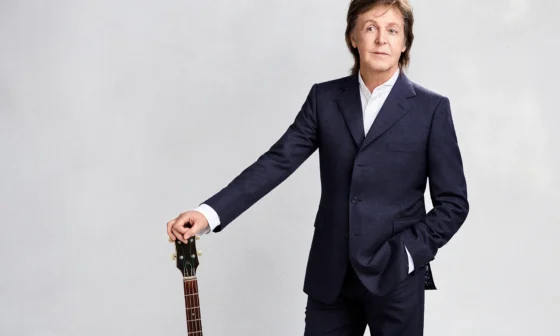
Midway through the show, as the lineup of well-known artists continued to honor Buffett’s legacy, a subtle shift began behind the scenes. Then, almost without warning, Paul McCartney walked onto the stage.
At first, there was a moment of disbelief. Audience members looked at one another, unsure if what they were seeing was real. Then the recognition spread—row by row, section by section—until the entire venue erupted. It wasn’t just excitement; it was the kind of reaction reserved for truly rare moments in music, when history seems to fold in on itself.
McCartney didn’t linger in the spotlight or draw out the surprise. Instead, he joined the other performers with a quiet confidence that felt fitting for the occasion. When the opening notes of “Let It Be” began, the energy in the room shifted again—this time into something more focused, almost reverent.
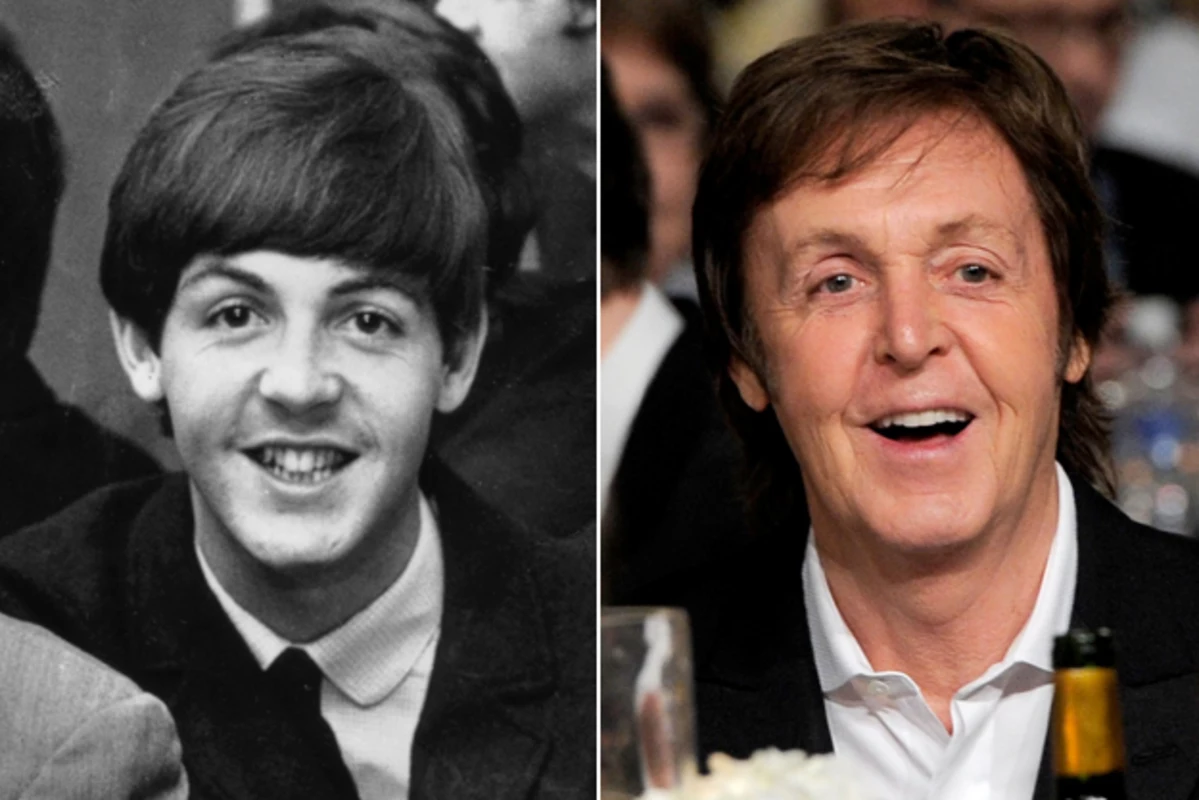
As he started to sing, the noise of the crowd softened. Conversations faded. Phones were raised, but even those recording seemed to do so carefully, as if not wanting to disrupt what was unfolding. His voice—instantly recognizable, yet marked by time—filled the space with a sense of gravity that went beyond the novelty of the moment.
For many in attendance, it wasn’t just about hearing a legendary song performed live. It was about the convergence of musical legacies. Buffett’s influence, rooted in storytelling and escapism, met McCartney’s timeless songwriting in a way that felt both unexpected and entirely natural.
Those familiar with McCartney’s live performances know he has a unique ability to connect with audiences, regardless of venue size. But here, in the context of a tribute concert, that connection took on an added layer. The song seemed to resonate not just as a classic, but as a shared reflection—on loss, on memory, and on the enduring power of music to bring people together.

By the time the final notes faded, the audience response was immediate and overwhelming. Applause surged through the venue, accompanied by cheers that carried a mix of gratitude and awe. People weren’t just reacting to a surprise guest—they were responding to a moment that felt genuinely unrepeatable.
In the days since, clips and reactions from the performance have circulated widely, with fans continuing to discuss what made it so special. Some point to the sheer improbability of the appearance. Others focus on the emotional weight of the song in that setting. But nearly everyone agrees on one thing: it was one of those rare live music moments that stays with you.
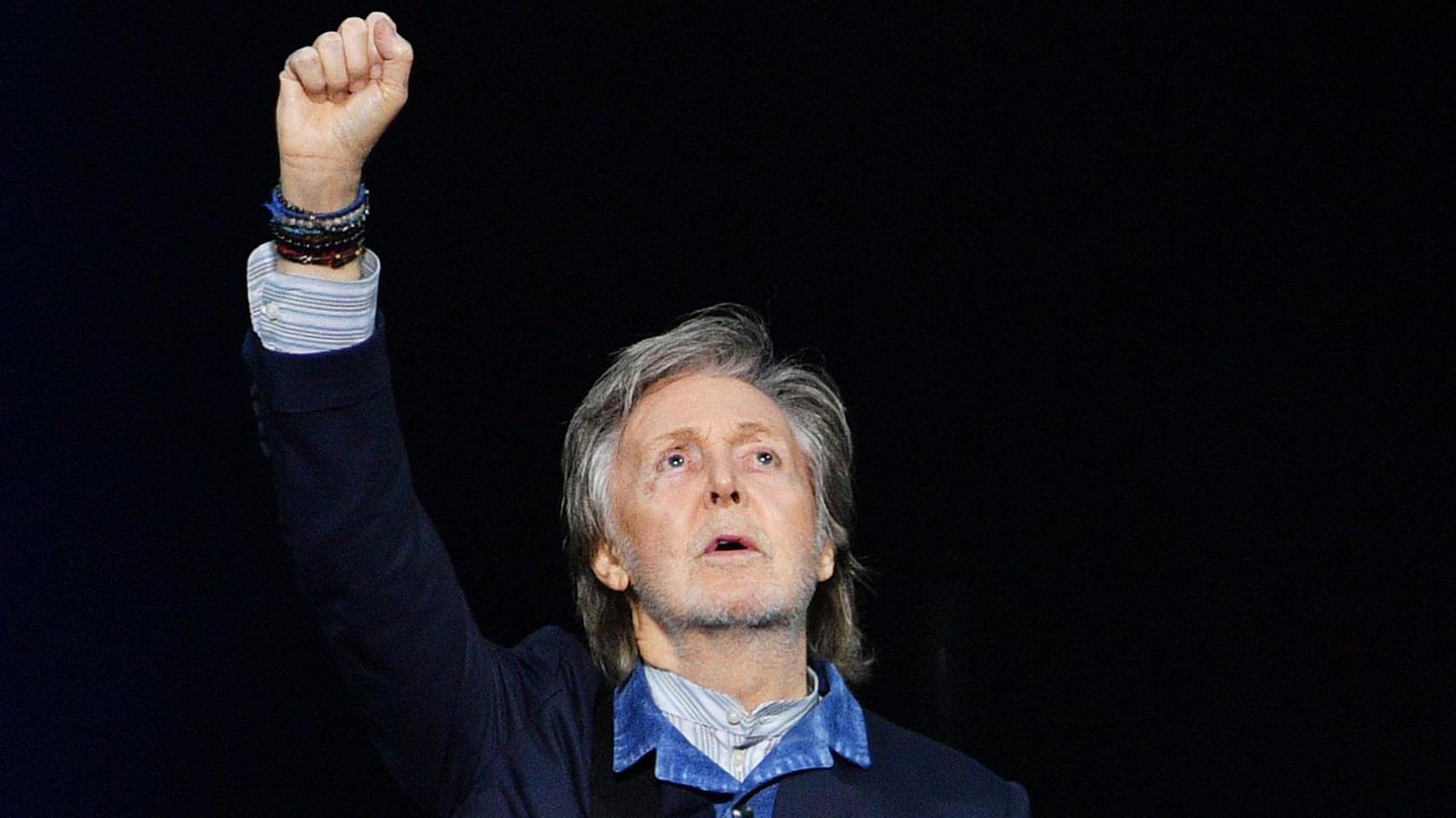
Long after the lights dimmed and the stage cleared, the memory lingered—of a tribute concert that became something more, and of a voice that, even after decades, still has the power to command a room.