When Three Voices Become One: Il Volo’s Emotional Performance of “Nelle Tue Mani” Leaves a Lasting Impression

il volo

Some performances capture attention with spectacular lighting, elaborate stage designs, or dramatic visual effects. Others accomplish something far more remarkable by allowing the music to speak for itself. That was exactly the case when Il Volo performed “Nelle Tue Mani” during Vita! Il Concerto, delivering a moment that continues to resonate with audiences long after the final note.

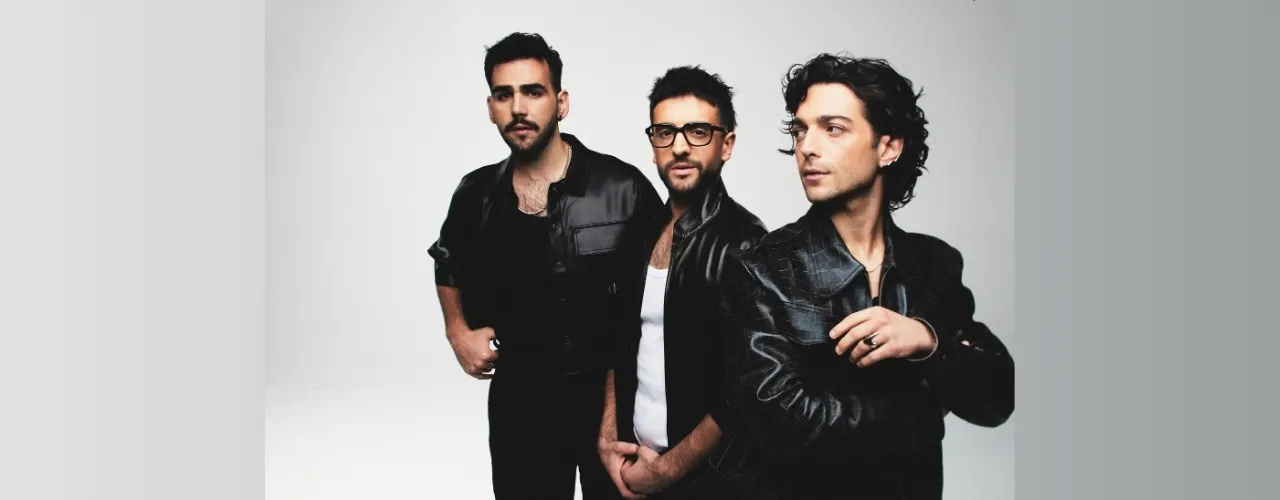
From the beginning, the trio approached the song with quiet confidence. There were no distractions competing for the audience’s attention—only the familiar presence of Piero Barone, Ignazio Boschetto, and Gianluca Ginoble standing together, ready to let their voices carry the story. Their performance demonstrated that genuine artistry doesn’t always require grand production. Sometimes, sincerity is enough.
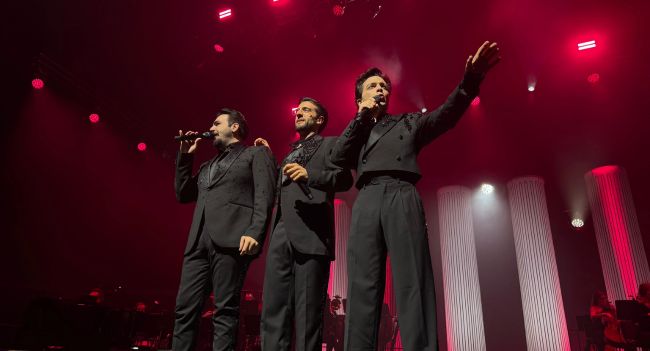
As the melody unfolded, a noticeable change settled over the venue. Conversations disappeared, applause paused, and the audience became completely immersed in the music. Every phrase was delivered with careful precision, allowing the emotional weight of the lyrics to develop naturally. Rather than rushing through the song, the trio gave each note room to breathe, inviting listeners to experience every emotion woven into the composition.

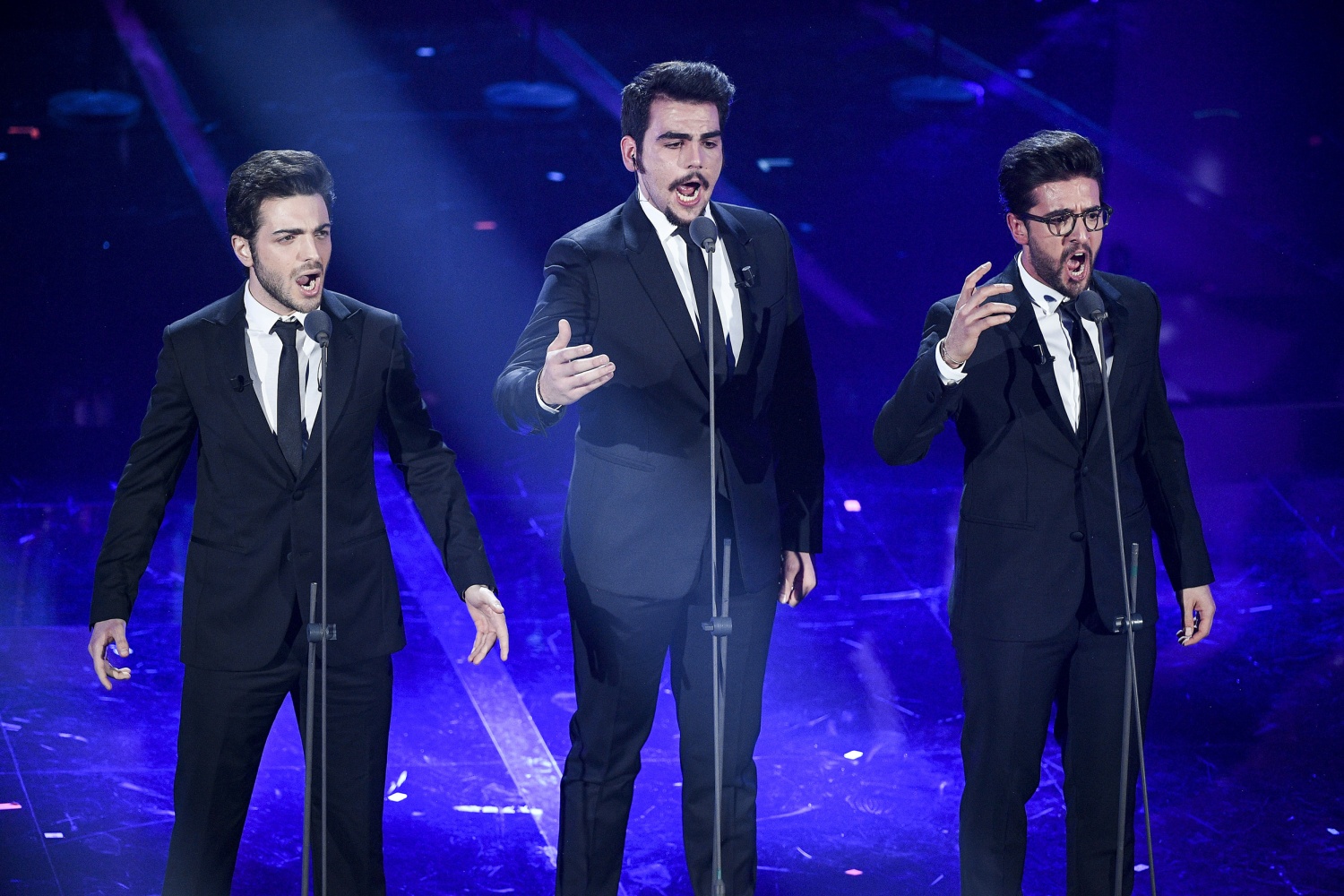
Each member of Il Volo brought something unique to the performance. Piero’s powerful vocals added depth and strength, Ignazio’s expressive delivery introduced warmth and intensity, while Gianluca’s smooth tone balanced the arrangement with elegance. Individually, their voices were captivating. Together, they created harmonies that felt effortless, blending into a sound that has become the group’s unmistakable signature.

What makes this rendition particularly memorable isn’t simply the technical excellence behind it. Countless singers possess remarkable vocal ability, but performances become unforgettable when they create an emotional connection. Throughout “Nelle Tue Mani,” Il Volo sang with honesty rather than excess, allowing the meaning of the lyrics to remain at the heart of every phrase. That authenticity is what continues to draw audiences back to their music year after year.

Tập tin:20150520 ESC 2015 Il Volo 8866.jpg – Wikipedia tiếng Việt

As the performance approached its conclusion, anticipation quietly built throughout the hall. Then came the moment many fans now describe as the emotional peak of the entire song. The trio’s voices merged with such perfect unity that individual parts seemed to disappear, replaced by one rich, soaring harmony. It was a musical climax that felt both powerful and deeply personal, earning an immediate wave of enthusiastic applause from the audience.

That final passage has become one of the most talked-about moments from the concert because it perfectly reflects what makes Il Volo so distinctive. Their greatest strength isn’t only their impressive vocal range or polished technique, but their ability to transform a familiar song into an emotional experience that feels fresh every time they perform it.

Long after the applause faded, the memory of “Nelle Tue Mani” continued to linger with those who witnessed it. It served as a reminder that music doesn’t always need spectacle to make an impact. Sometimes, all it takes is three remarkable voices, a meaningful song, and the willingness to perform with complete sincerity.
Il Volo On Bel Canto And The Friendship That Has Kept Them Together

For longtime fans and first-time listeners alike, this performance stands as another example of why Il Volo continues to earn admiration around the world. Some concerts entertain for an evening, but performances like this leave something much more enduring—a memory that stays with listeners long after the stage lights dim.

0 Shares:
Leave a Reply

Your email address will not be published. Required fields are marked *

You May Also Like
Beatles
Read More

Sean Lennon, James McCartney, Dhani Harrison, Zak Starkey, and Julian Lennon — this isn’t a reunion of The Beatles. It’s something far more powerful: the closing of a chapter that was never truly finished. Each of them carries the unmistakable imprint of a legendary father — Lennon, McCartney, Harrison, Starr. But when their voices and instruments rise together, it no longer feels like homage. It becomes something deeper — a living bridge between eras, where memory and music intertwine. Five sons. One song. And suddenly, history seems to shiver. This isn’t “Beatles 2.0.” It’s not nostalgia repackaged for applause. It’s legacy flowing through bloodlines — finding harmony on its own terms. Maybe 1970 was never the end. Maybe it was only the pause before another, quieter beginning. WATCH BELOW 👇👇👇

REUNION THAT NEVER WAS? THE BEATLES’ SONS ‘COMPLETE AN UNFINISHED GOODBYE’ IN EMOTIONAL TRIBUTE THAT HAS FANS DECLARING:…
andrea bocelli
Read More

“HE CLOSED HIS EYES — AND HEARD HIS LIFE SINGING BACK TO HIM.” Last night didn’t feel like a concert. It felt like something sacred. The lights at the theater dimmed, and Andrea Bocelli sat quietly in the center of the stage. No grand introduction. No orchestra swelling. Just stillness. Then his three children walked out — calm, almost trembling — and began to sing. It wasn’t opera. It wasn’t performance. It was memory. Each note sounded like a chapter of his life being handed back to him. The years of sacrifice. The long tours. The nights he missed home. And now… the voices he once carried in his arms were carrying him. Andrea didn’t move much. He didn’t need to. His face said everything. A father listening, not as a legend — but as a man. Some songs fill a room. This one filled a lifetime. And when the final harmony faded, you could feel it — not applause, but something deeper. How often does a father get to hear his legacy sing? When Andrea Bocelli Sat Still — And His Three Children Sang the Story Back to Him The atmosphere inside the theater felt unusually intimate that evening. There was no dramatic entrance, no elaborate stage effect designed to command attention. Instead, Andrea Bocelli walked calmly to center stage and took a seat. The crowd greeted him warmly, but something in the air suggested this night would unfold differently. Moments later, his three children stepped into the soft glow of the stage lights. The audience recognized them instantly — not as guests, but as family. Matteo Bocelli, known for his smooth classical-pop crossover style. Amos Bocelli, the quiet musician who often prefers the piano to the spotlight. And young Virginia Bocelli, whose bright voice has already carried remarkable poise for her age. What followed wasn’t a technical showcase. It wasn’t a headline-grabbing spectacle. It was something far more personal. They began to sing — not to impress, but to reflect. The harmonies were gentle. The pacing unhurried. Andrea Bocelli remained seated throughout, hands folded, listening with a stillness that spoke louder than applause. For decades, Andrea Bocelli has been the voice that filled arenas across the world. His renditions of “Con Te Partirò” and sacred arias have defined countless emotional moments for millions. But that night, the direction of the music shifted. The voice that once carried stories now received them. Each child brought something distinct. Matteo’s tone carried maturity and quiet strength. Amos’s musical presence added grounding and depth. Virginia’s voice, clear and unguarded, added innocence that softened the room. Together, they didn’t just perform — they told a story that felt like it belonged to the family before it belonged to the audience. Observers later described Andrea Bocelli’s expression as composed but deeply moved. Not dramatic. Not theatrical. Just present. A father listening to echoes of years gone by — the sacrifices, the discipline, the faith that shaped both career and home life. There was no need for elaborate staging. The weight of the moment carried itself. The applause at the end felt secondary to the silence that came just before it — the kind of silence that happens when people understand they’ve witnessed something rare. Some performances entertain. Others linger. This one felt less like a concert and more like a passing of something invisible — not an ending, but a continuation. A reminder that legacy isn’t always built in stadiums. Sometimes, it’s built in living rooms, at dinner tables, in quiet encouragement behind the scenes. And on this night, Andrea Bocelli didn’t need to sing to be heard.

When Andrea Bocelli Sat Still — And His Three Children Sang the Story Back to Him The atmosphere…