
Some performances fade with time, becoming snapshots of a particular moment. Others seem to evolve, finding new meaning with each revisit. Il Volo’s interpretation of “Hallelujah” belongs firmly in the latter category—a performance that continues to resonate deeply with audiences long after its first note was sung.
At the center of this enduring appeal are Ignazio Boschetto and Gianluca Ginoble, whose voices come together in a way that feels both effortless and intentional. Their duet strips the song down to its emotional core, allowing the melody and lyrics to take on a renewed sense of intimacy.
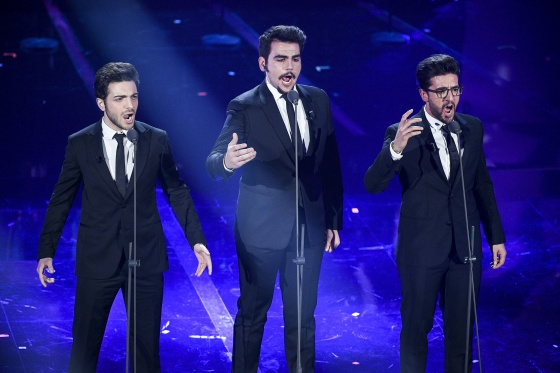
Originally written by Leonard Cohen, “Hallelujah” has been performed by countless artists across genres. Each version carries its own tone and interpretation, yet few manage to balance technical precision with emotional depth as effectively as this one. Il Volo’s approach leans into restraint rather than excess, creating space for the song’s meaning to breathe.
What makes this performance particularly striking is its simplicity. There are no elaborate arrangements competing for attention, no dramatic flourishes designed to overwhelm. Instead, the focus remains on the voices—on the way they rise, blend, and occasionally pull apart just enough to highlight their individuality.

Fans often point to this balance as the reason the duet feels fresh, even after repeated listens. The clarity of the vocals allows listeners to notice subtle details each time: a slight shift in tone, a moment of quiet emphasis, or the natural harmony that forms between the two singers. These elements might seem small, but together they create a performance that feels alive rather than fixed.
Another factor contributing to its lasting impact is the emotional sincerity behind it. There is a sense that the performance is not just about delivering a well-known song, but about connecting with it on a deeper level. That authenticity translates through the music, making it easier for listeners to form their own connection with the piece.
In the age of viral clips and fleeting trends, it’s notable that this duet continues to resurface in conversations. New listeners discover it, longtime fans revisit it, and each wave of attention reinforces its place within Il Volo’s body of work. It becomes less about a single moment and more about an ongoing experience.

Ultimately, the power of this “Hallelujah” lies in its ability to remain grounded. It doesn’t rely on spectacle or reinvention to hold attention. Instead, it trusts in the strength of the song and the voices delivering it.
And perhaps that’s why it endures. Long after the final note fades, the feeling it leaves behind lingers—quiet, steady, and unmistakably powerful.