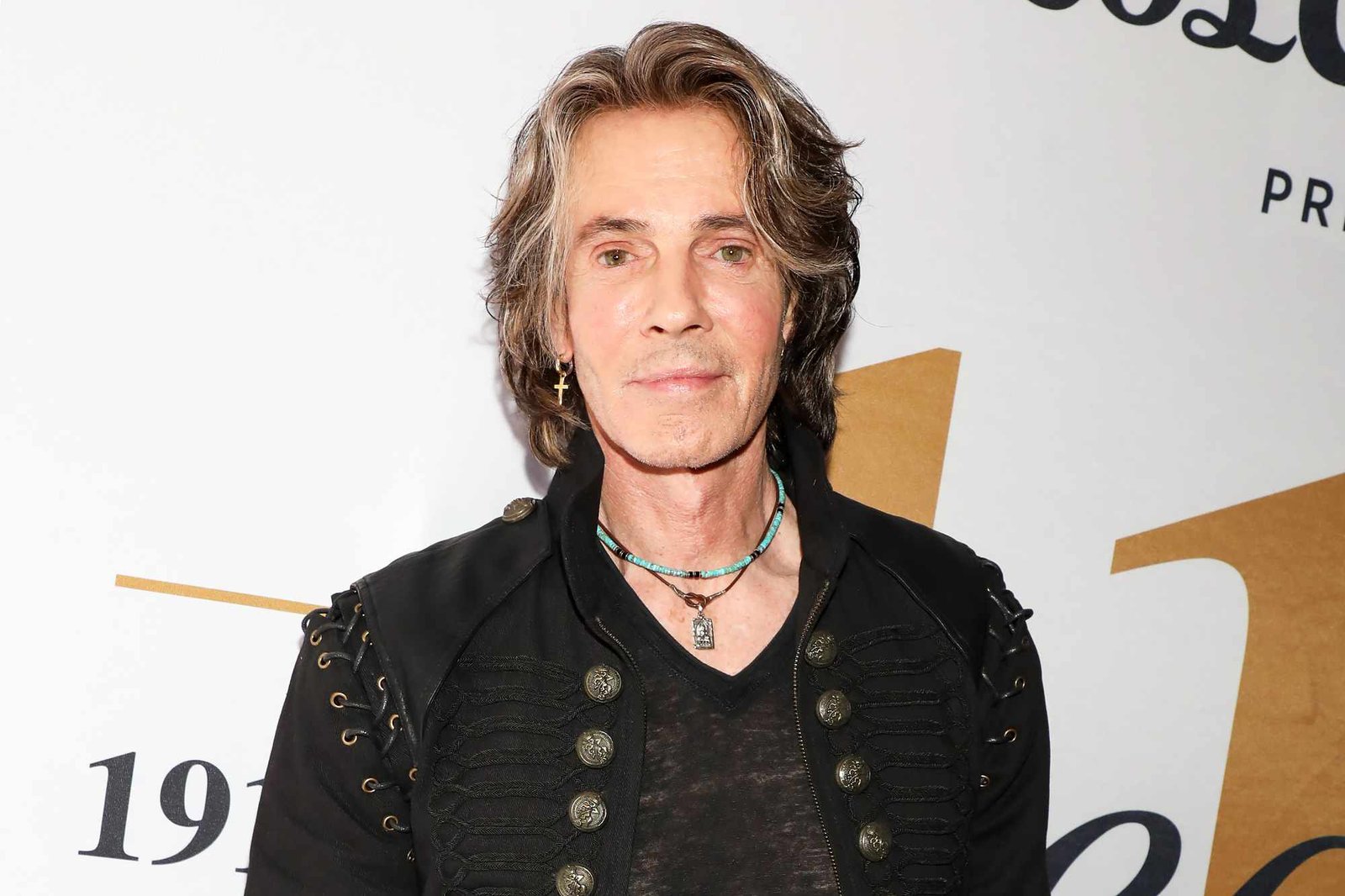
Rick Springfield has never been comfortable living inside a finished story. Even at the height of his fame in the early ’80s—when “Jessie’s Girl” dominated radios and his face became inseparable from daytime television through General Hospital—there was always a sense that he was slightly out of step with the image the world projected onto him. Success arrived loudly. Satisfaction never did. That creative unease has followed him for decades, and in 2025, it became impossible to ignore.
On paper, the year looked relentless. Sixty-one concerts across packed venues. Travel that blurred cities together. Long nights spent in recording studios when most artists his age were revisiting old catalogs or planning farewell tours. But Springfield wasn’t looking backward. If anything, he seemed to be pushing against the comfort of nostalgia with deliberate force.
Whispers of a new album began circulating—not a revival, not a polished tribute to past hits, but something heavier. Darker. Music shaped less by chart success and more by the things that refuse to stay quiet with age: regret, reflection, resilience, and the unanswerable questions that linger after decades of living loudly. Those close to the project describe it as raw and unsparing, a record uninterested in pleasing expectations. For Springfield, that may be the point.
When he announced his 2026 tour dates, including a return to Dick Clark’s New Year’s Rockin’ Eve, it didn’t land like a victory lap. There was no sense of closure, no triumphant bow. Instead, it felt transitional—almost private. As if he were inviting audiences into a chapter still being written rather than presenting something complete. The performances weren’t framed as celebrations of longevity, but as conversations in motion.
That sense of gravity deepened quietly over the year with a personal loss that shaped his creative direction. The passing of Anthony Geary—his longtime friend and former General Hospital co-star—cast a long shadow. Springfield never turned the loss into spectacle. There were no grand statements, no public grieving rituals. Instead, the tribute emerged subtly, woven into his music and presence. A softened lyric here. A pause where silence carried more weight than sound. The absence became part of the message.
Now in his seventies, Springfield stands in a space few artists dare to occupy honestly. He is neither chasing relevance nor retreating into legacy. He’s asking harder questions—about identity, purpose, and what it means to keep creating when applause is no longer the goal. His voice, weathered but resolute, carries a different authority now. Not the urgency of youth, but the clarity of survival.
What makes this chapter compelling isn’t volume or visibility. It’s restraint. The sense that Springfield is peeling layers away rather than adding new ones. He isn’t offering conclusions. He’s offering access—to doubt, to memory, to a creative life that refuses to settle.
If 2025 was a signal, then 2026 won’t be a destination. It will be another step inward. And for an artist who has spent a lifetime resisting definition, that journey may reveal more than any hit song ever did.