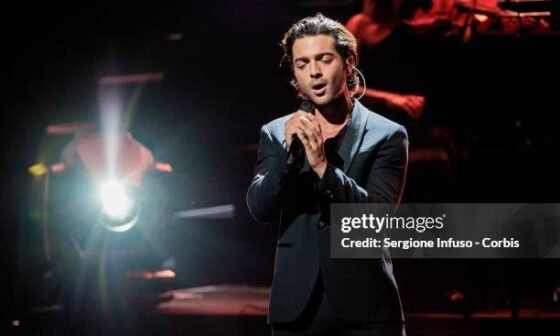
When three giants from different generations and musical worlds come together, the result is nothing short of extraordinary. Andrea Bocelli, his son Matteo Bocelli, and legendary composer Hans Zimmer have joined forces for a breathtaking performance of the iconic song “Time To Say Goodbye”, reimagining the timeless classic for a new global audience.
The collaboration has quickly captured international attention, with fans praising the emotional depth, cinematic scale and symbolic passing of the torch from father to son.
A Song That Defined a Generation
Originally released in 1995, Time To Say Goodbye (also known as Con te partirò) became one of the most successful classical crossover songs of all time. Andrea Bocelli’s soaring tenor transformed the track into a global phenomenon, selling millions of copies and introducing classical music to mainstream audiences worldwide.
For nearly three decades, the song has been synonymous with farewell, hope and transcendence — performed at historic events, royal ceremonies and emotional milestones across the globe.
A Father and Son Share the Spotlight

This new version marks a deeply personal moment for Andrea Bocelli and Matteo Bocelli, who have increasingly collaborated in recent years. Matteo, now an established artist in his own right, brings a youthful yet soulful tone that complements his father’s legendary voice.
Their harmonies reflect more than musical chemistry — they tell a story of legacy, continuity and shared passion. Listeners have described the performance as “intimate yet monumental,” highlighting how the emotional connection between father and son elevates the song’s meaning.
Hans Zimmer Adds a Cinematic Dimension
What truly sets this rendition apart is the involvement of Hans Zimmer, the Oscar-winning composer behind soundtracks such as Gladiator, Interstellar and The Dark Knight. Zimmer’s orchestral arrangement transforms Time To Say Goodbye into a sweeping cinematic experience.
Layered strings, dramatic crescendos and subtle modern textures give the song a new sense of scale, bridging classical tradition with contemporary film scoring. The result feels less like a simple performance and more like a musical journey.
Fans React: “A Masterpiece for the Ages”
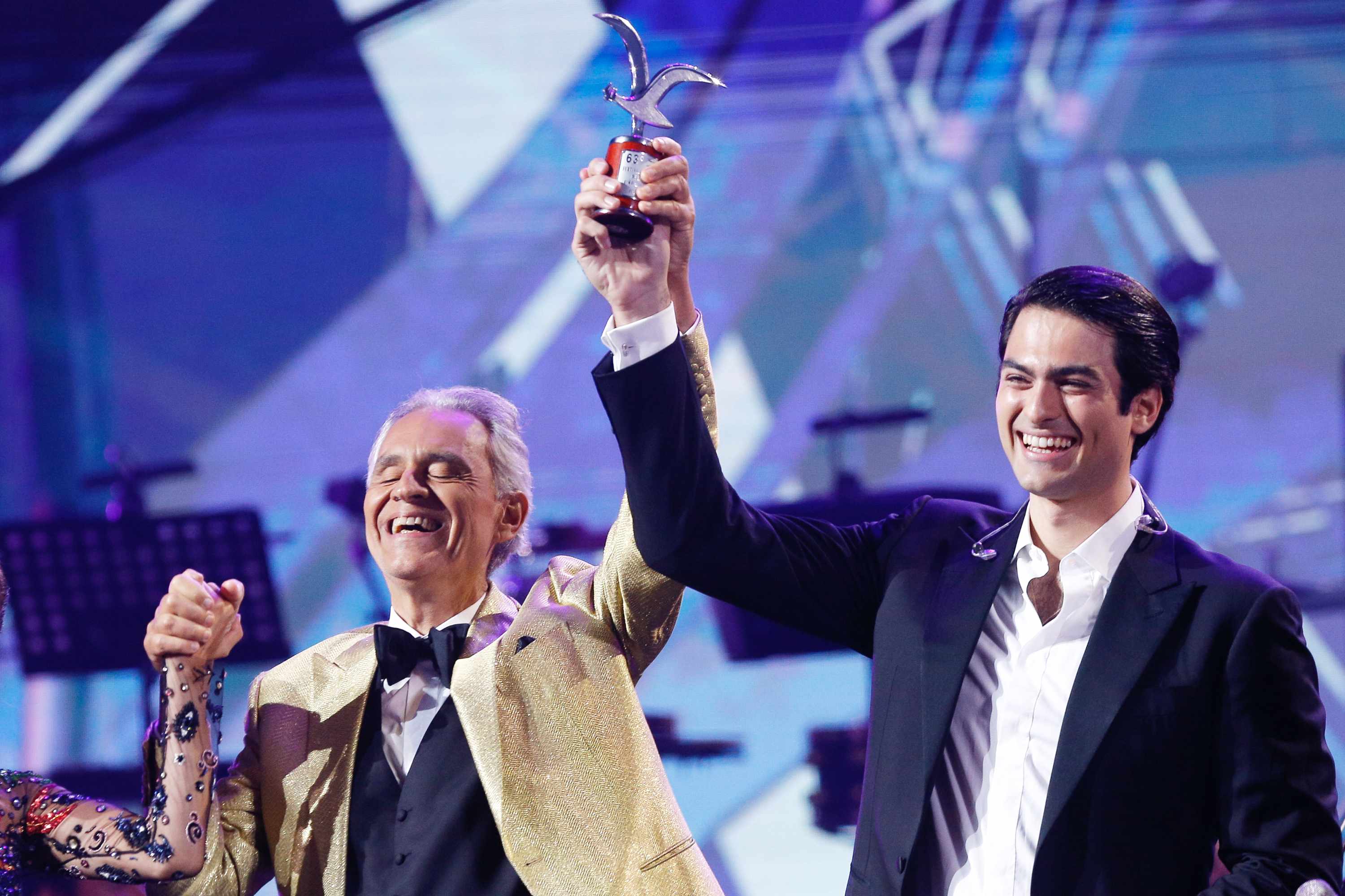
Since its release, reactions have poured in across social media platforms and streaming services. Fans have praised the collaboration as “historic,” with many calling it one of the most emotional versions of the song ever recorded.
Music critics have also noted how the performance balances reverence for the original with fresh artistic vision — a difficult feat for such a beloved classic.
A Symbol of Legacy and Evolution
Beyond the music itself, the collaboration symbolizes something deeper. Andrea Bocelli’s career has long represented perseverance and artistic purity, while Matteo Bocelli embodies the next generation of classical crossover talent. Hans Zimmer’s involvement underscores the universality of music — transcending genres, ages and borders.
Together, they offer a reminder that great music does not fade; it evolves.
A Timeless Farewell, Reimagined
As audiences around the world continue to discover and rediscover Time To Say Goodbye, this new rendition stands as a powerful testament to the song’s enduring legacy. With the combined artistry of Andrea Bocelli, Matteo Bocelli and Hans Zimmer, the classic has been reborn — not as a goodbye, but as a renewed promise of timeless music.