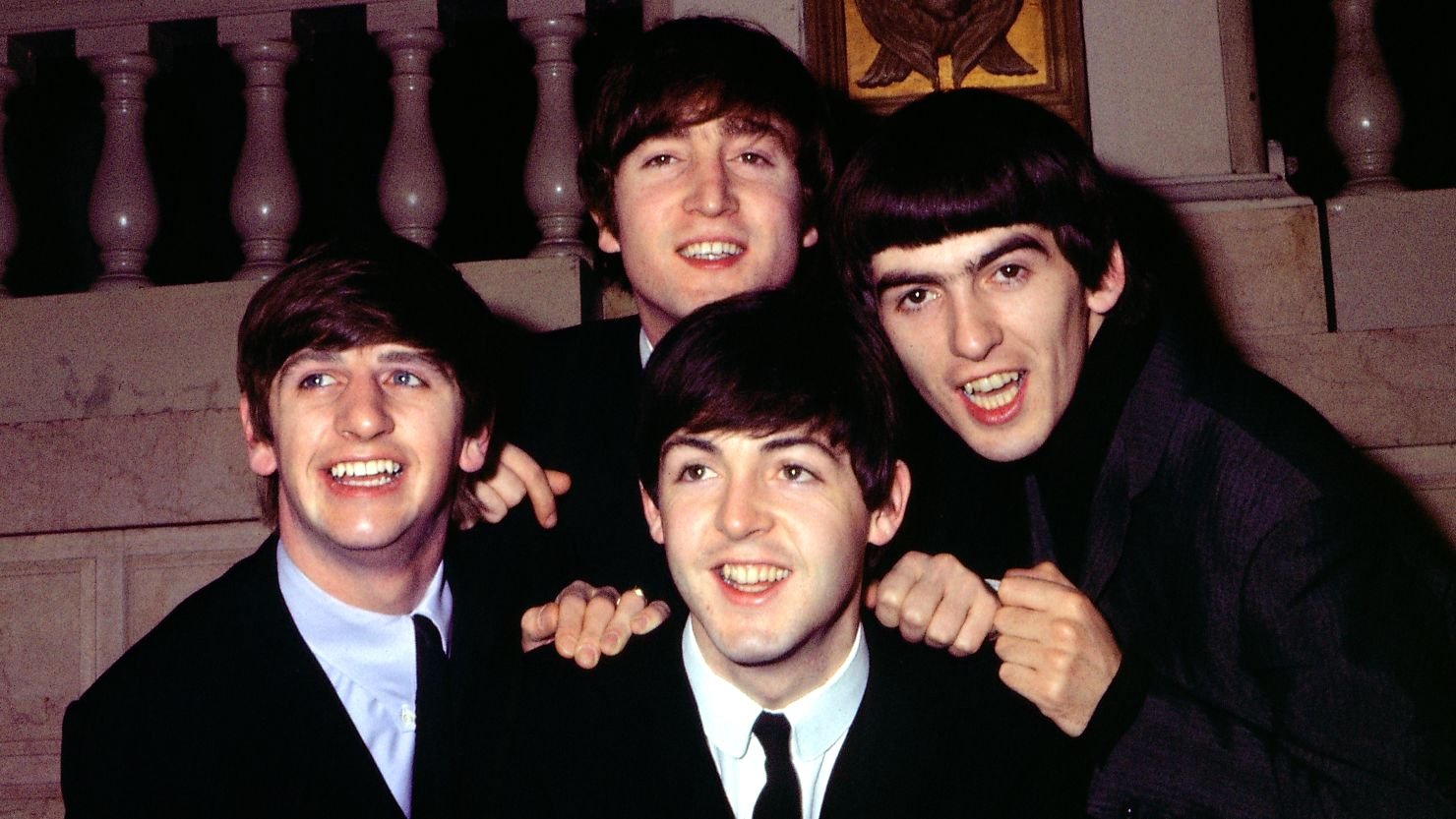
Some songs arrive with spectacle. Others arrive softly, carrying a weight that doesn’t need announcement. When The Beatles released “Real Love” in 1996, it was very much the latter—a track that felt less like a comeback and more like a conversation across time.
At its core was a home demo recorded years earlier by John Lennon. His voice, slightly rough around the edges, held an intimacy that studio polish could never replicate. Rather than replacing or refining it, the remaining members—Paul McCartney, George Harrison, and Ringo Starr—chose a different approach. They built around it.
This decision shaped everything that followed.
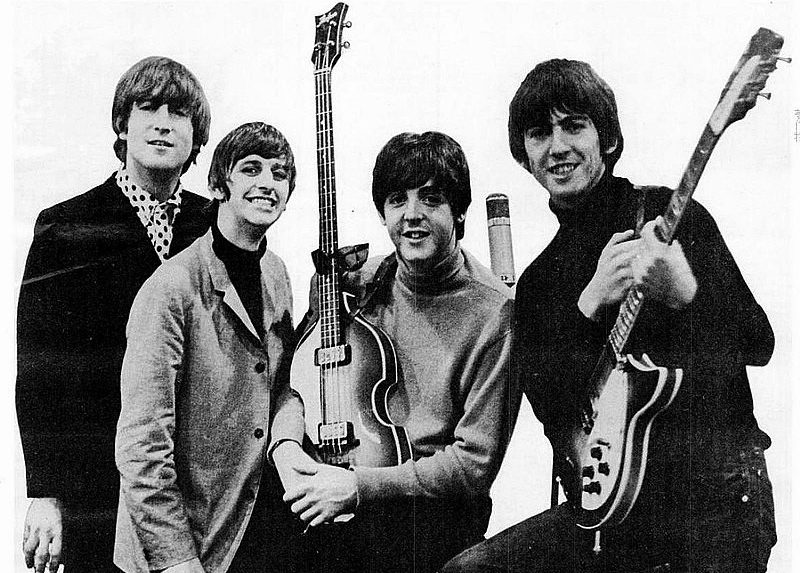
In the studio, the process was as much emotional as it was technical. The challenge wasn’t just syncing instruments to an old recording—it was finding a way to connect with it. Lennon’s voice became the anchor, guiding the arrangement rather than being adapted to it. Guitar lines, harmonies, and subtle production touches were layered carefully, almost cautiously, as if anything too heavy might disturb the spirit of the original.
What emerged was something rare: a collaboration that bridged absence.
For McCartney, Harrison, and Starr, these sessions weren’t simply about finishing a song. They were about revisiting a relationship that had defined their lives. There was familiarity in the process—shared instincts, unspoken understanding—but also a quiet awareness of what was missing. That duality gave the recording its emotional depth.
Listeners could feel it.
Unlike many reunion tracks that aim to recapture past energy, “Real Love” didn’t try to recreate the sound of earlier decades. Instead, it leaned into reflection. The tempo was gentle, the arrangement restrained. Even at its most layered, the song left space—room for Lennon’s voice to breathe, and for the listener to absorb what it represented.
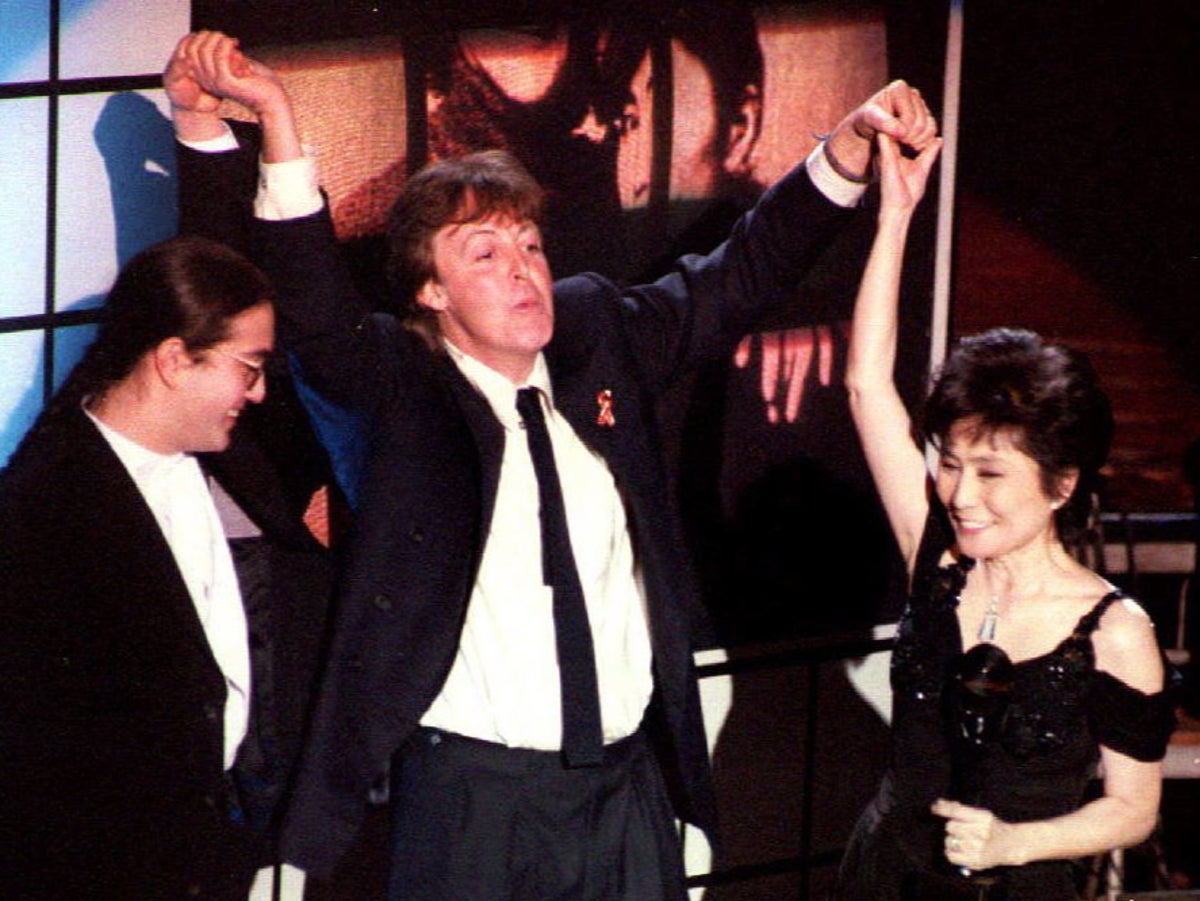
When the track was finally released, it didn’t arrive as a grand statement. There were no dramatic declarations attached to it, no attempt to frame it as a final chapter. Yet for many fans, it carried that meaning anyway.
It felt like closure—but not the kind that demands attention.
What made “Real Love” resonate so deeply was its sincerity. There was no illusion of bringing the past back in full. Instead, the surviving members acknowledged it, honored it, and added to it in a way that felt honest. The result was a piece of music that existed in two timelines at once: the moment Lennon first recorded it, and the moment his bandmates completed it.
For those who grew up with The Beatles, the song became something personal—a reminder of how music can preserve connection even after loss. For newer listeners, it offered a different perspective on what collaboration can mean.
Not just working together in the same room, but across years, memories, and absence.
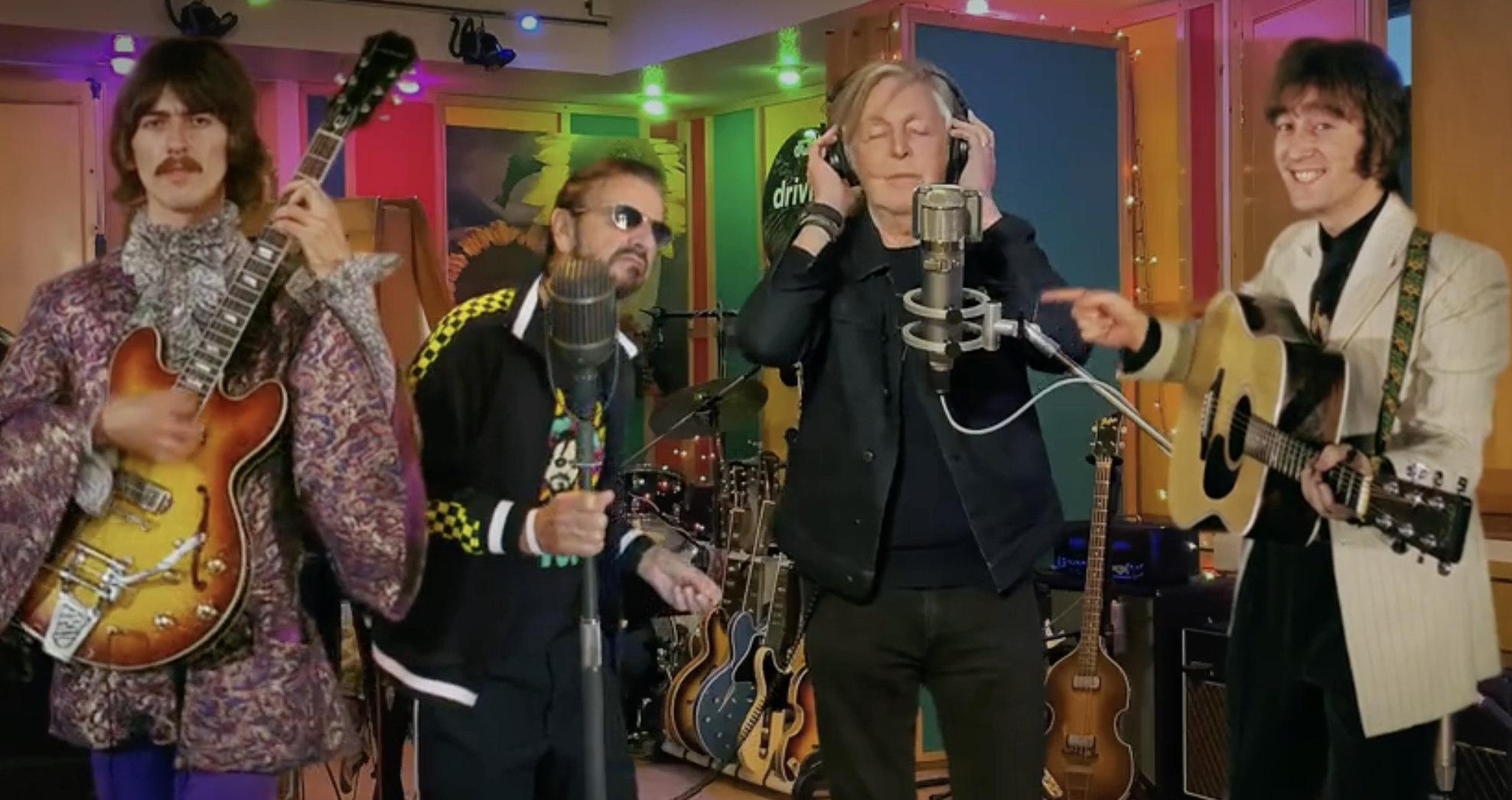
In the end, “Real Love” wasn’t about revisiting fame or redefining legacy. It was about something simpler and more enduring: the bond between four musicians, still present in the spaces between their notes.
And in that quiet, careful recording, that bond could still be heard.