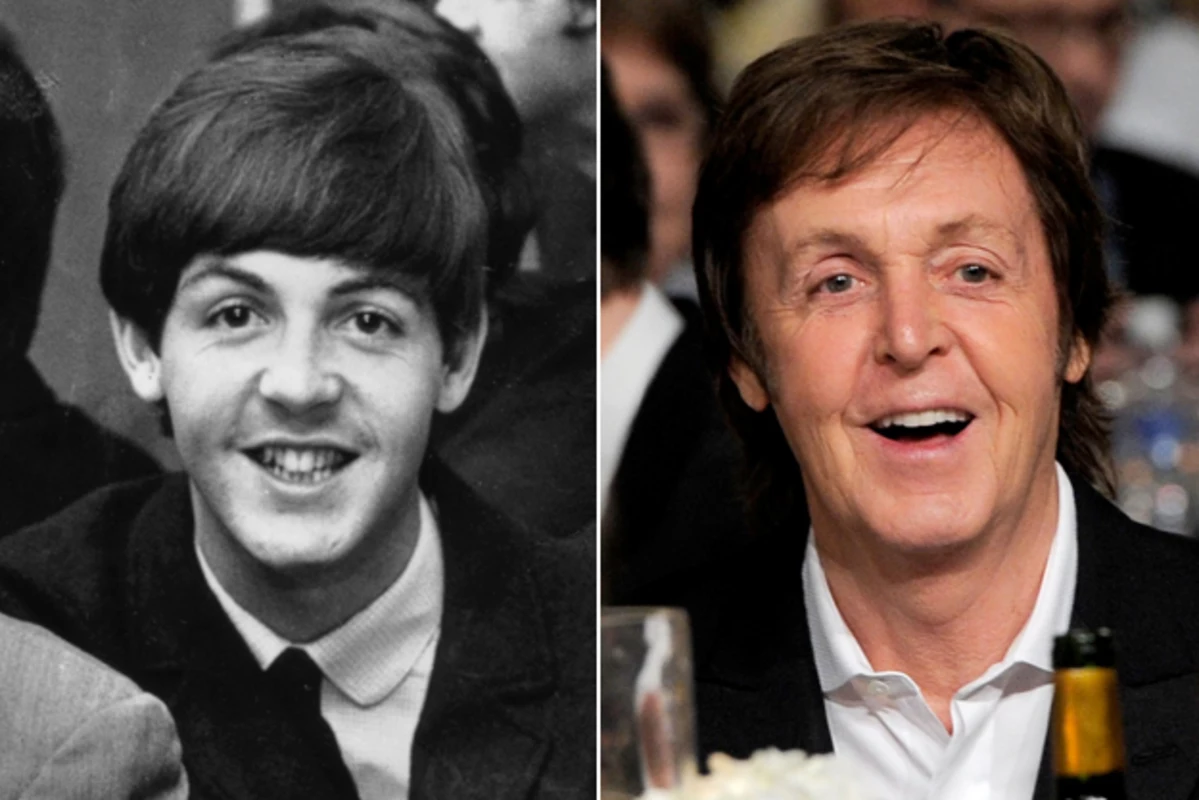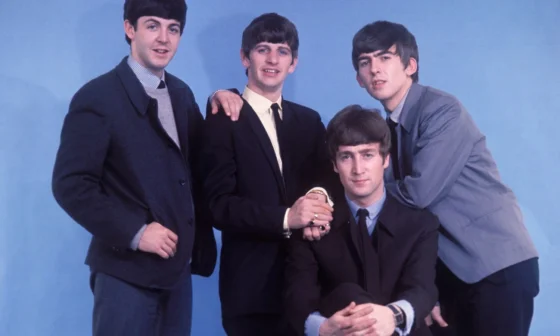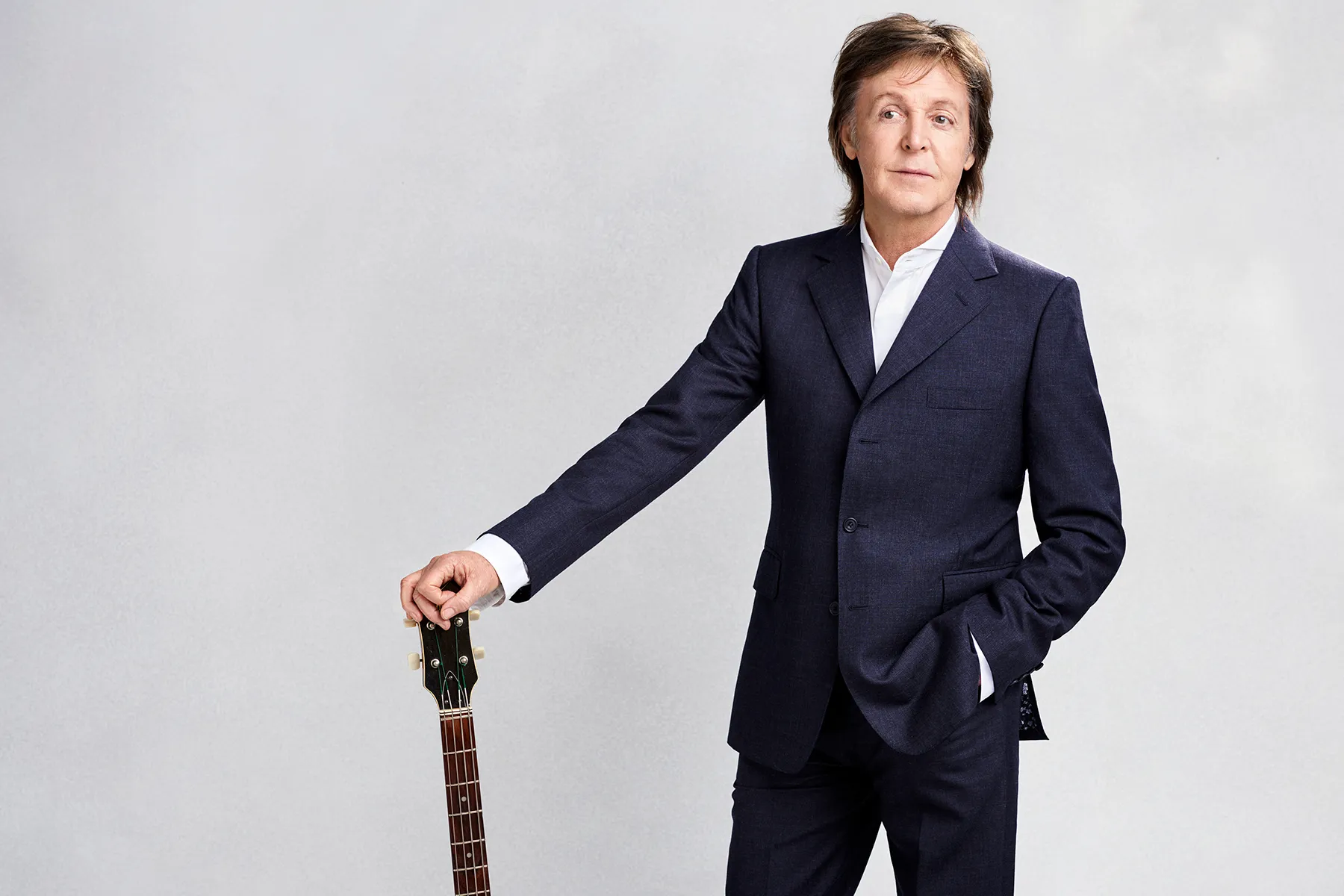
For most of the night, it was the kind of concert fans have come to expect from Paul McCartney—a sweeping journey through decades of music, filled with familiar melodies and moments that brought thousands to their feet.
But then, something shifted.
The energy in the arena softened. The applause faded into a hush. And in that space, McCartney spoke—not as a global icon, but as someone remembering the person who had shaped his life away from the spotlight.
“She was my girlfriend, my wife, my lover, my friend.”
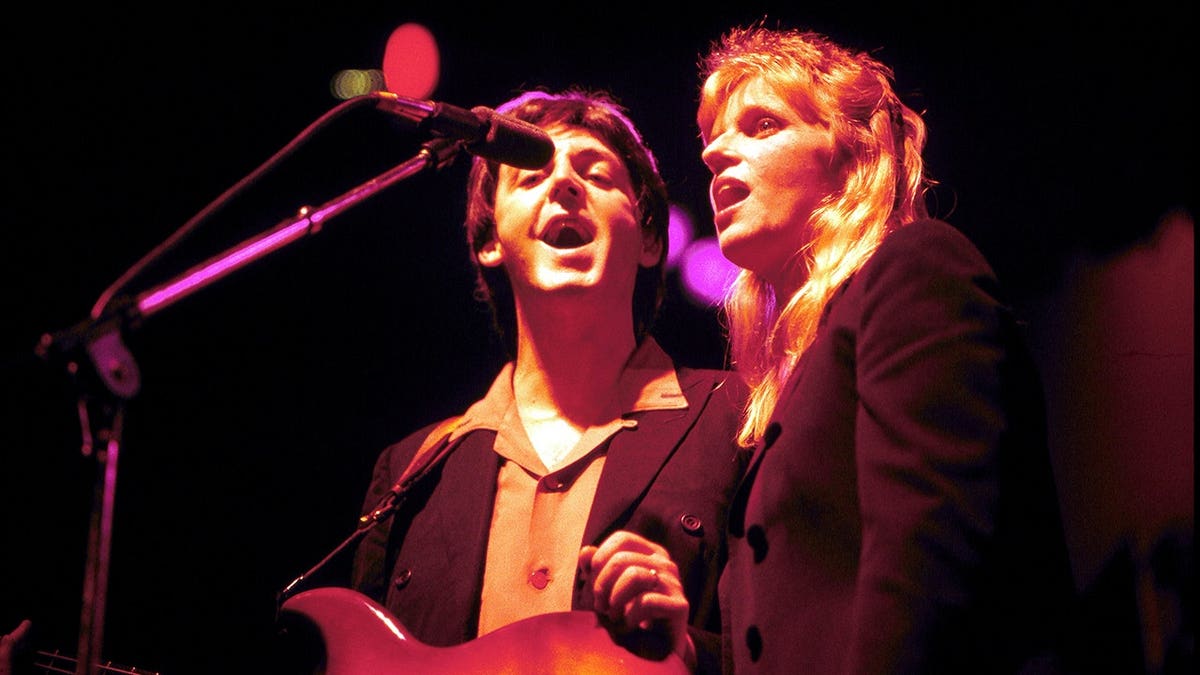
The words were simple, but they carried the weight of a lifetime. In that moment, the performance stopped being just a show. It became something quieter, more human. A tribute to Linda McCartney, whose presence continues to echo through his life and music.
Their story began during a turning point. In the late 1960s, as The Beatles were beginning to unravel, McCartney found himself navigating uncertainty—both professionally and personally. Fame had brought everything, but it had also complicated everything. Linda entered that world not as part of the machinery, but as someone who offered an alternative to it.
She gave him space to be something other than “Paul McCartney of The Beatles.” She gave him a life that existed beyond headlines and expectations.
That foundation became even more important in the years that followed. After the band’s breakup, McCartney faced criticism and doubt about his next steps. It was during that period that he and Linda formed Wings, building something new together. She wasn’t just beside him—she was part of the creative process, sharing both the triumphs and the scrutiny that came with it.

Not everyone understood her role at the time. But for McCartney, her presence wasn’t about perfection or public approval. It was about partnership.
And that’s what made the tribute feel so personal.
Decades after her passing, Linda’s influence hasn’t faded into memory. It continues to surface in quiet ways—in the songs he chooses to perform, in the stories he shares, and in moments like this one, where the distance between past and present seems to disappear.
The arena may have held 15,000 people, but for a brief time, it felt smaller. More intimate. As if everyone present had been invited into something private—a glimpse of a connection that fame never managed to overshadow.
There’s something striking about the way McCartney carries that loss. It doesn’t define his performances, but it’s never absent from them either. Instead, it exists in the background, shaping the emotion behind the music without needing to be constantly explained.
That’s what made the silence so powerful.
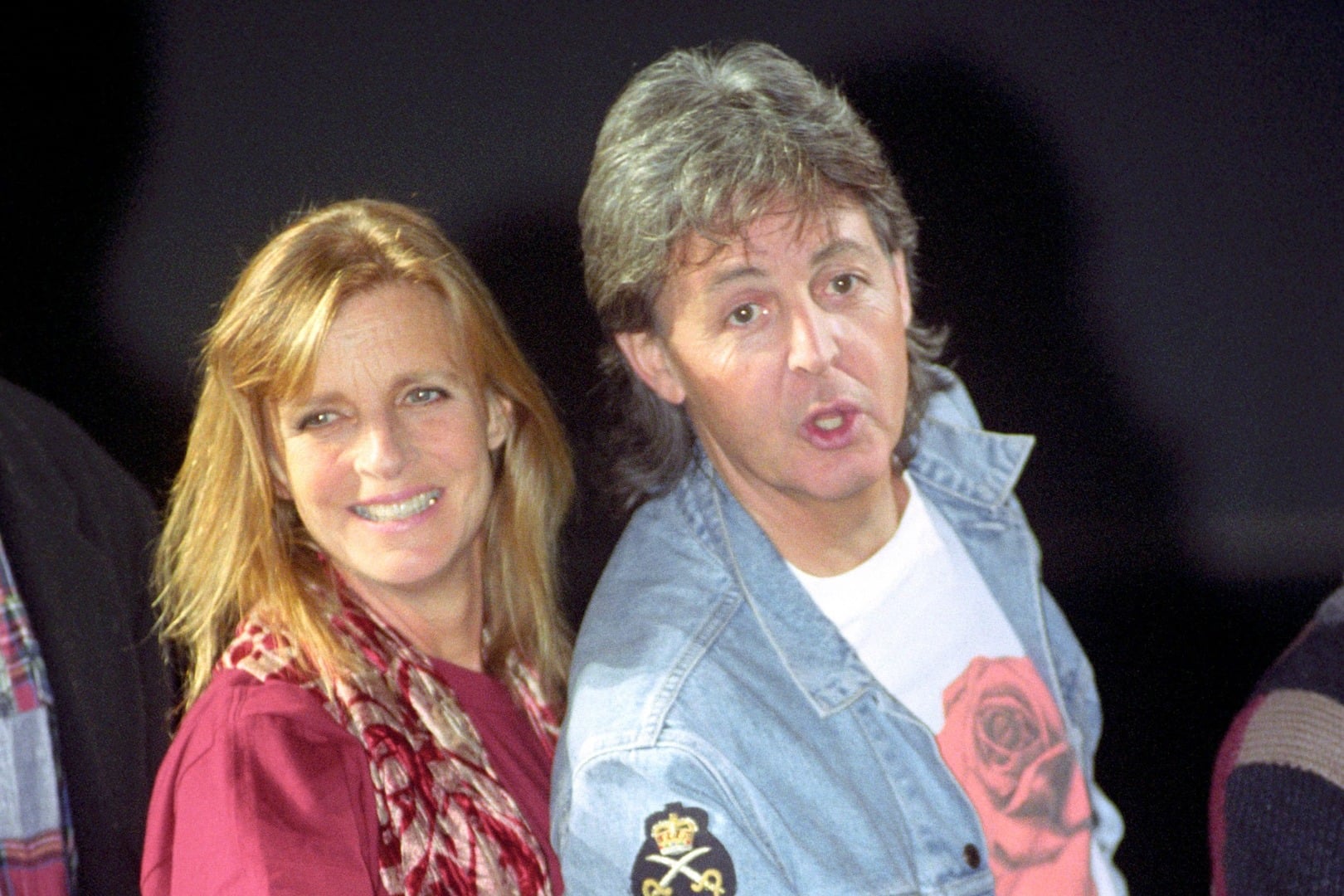
In a career built on sound, it was the absence of it—the pause between songs, the stillness after his words—that said the most. It reminded the audience that behind every lyric, every chord, there are real stories. Real people. Real love.
And perhaps that’s why the moment resonated so deeply.
Because it wasn’t about looking back with sadness. It was about acknowledging something that never really left. Linda’s presence, as McCartney showed, isn’t confined to the past. It lives on in the music, in the memories, and in the quiet spaces where words fall short.
As the concert continued and the applause returned, the mood shifted once again. But something lingered.
Not just the echo of a song, but the feeling of having witnessed something genuine—something that went beyond performance.
For a few minutes, the music didn’t just entertain.
It remembered.