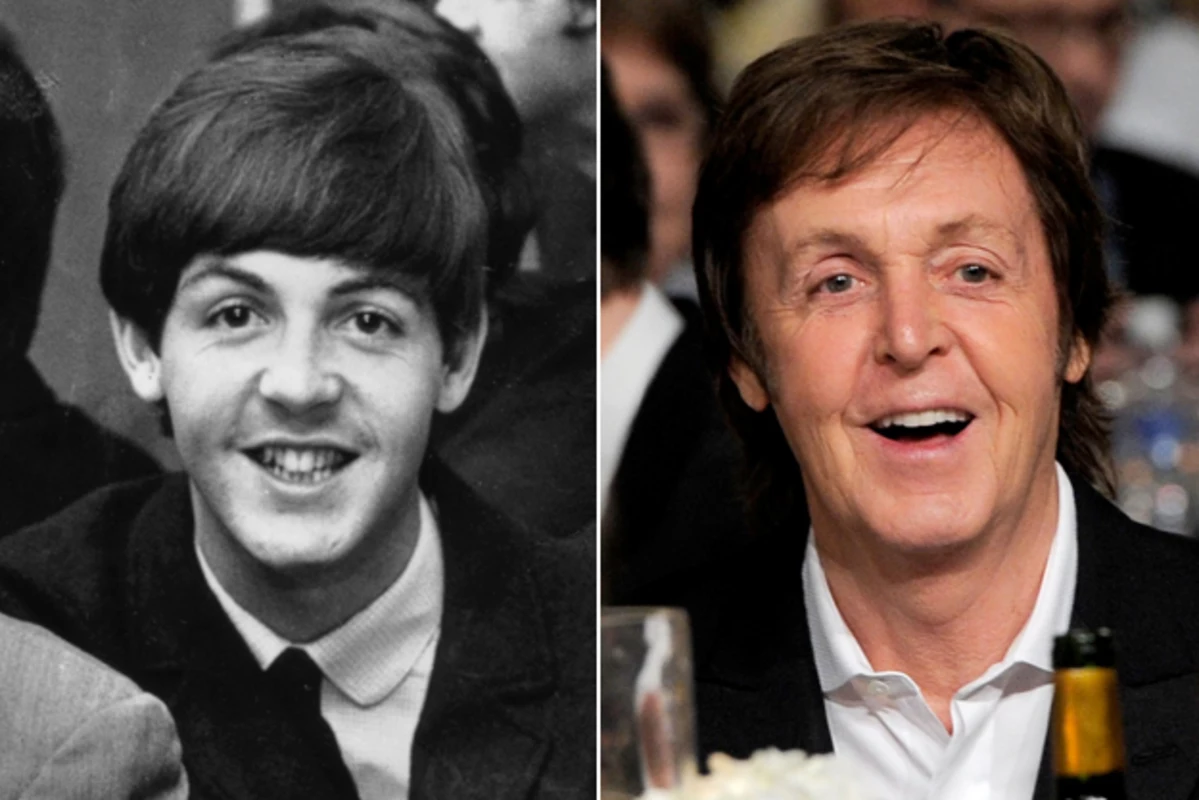
Few combinations generate more online attention than politics, celebrity, and controversy. So when a story began circulating about Donald Trump criticizing Paul McCartney — followed by a dramatic, speech-like response from McCartney — it spread quickly.

The narrative was striking. It portrayed Trump making a provocative remark, and McCartney responding with a deeply emotional and morally charged rebuttal in front of a live audience. The quotes attributed to McCartney touched on themes of compassion, inequality, war, and faith — written in a way that felt powerful, deliberate, and designed to resonate.
There’s just one problem: there is no reliable evidence that any of it actually occurred.
No major news organization has reported the exchange. No verified video or transcript exists. And neither Trump nor McCartney has issued statements confirming such an interaction. Despite this, the story continues to circulate widely, often presented as fact.
This is a textbook example of how modern misinformation can take shape. The story works because it combines elements people are already invested in — political division, moral debate, and a respected cultural figure. It also presents a clear emotional arc: conflict, confrontation, and a satisfying response. That structure makes it highly shareable, even without proof.

Another reason it spreads is because it sounds plausible to many readers. Both figures are known for speaking their minds in different contexts, so the idea of a clash may not feel far-fetched at first glance. But plausibility is not the same as accuracy.
In reality, public figures are frequently pulled into narratives they never participated in. Quotes are invented, moments are imagined, and stories are built to capture attention rather than reflect truth. Once those stories gain momentum, they can be difficult to correct — especially when they align with people’s existing beliefs or emotions.
That doesn’t mean the themes in the viral post are irrelevant. Conversations about leadership, morality, and social responsibility are ongoing and important. But attaching those ideas to fabricated events blurs the line between discussion and misinformation.

For readers, the takeaway is simple but important: strong claims require strong evidence. When a story feels unusually dramatic or perfectly scripted, it’s worth asking where it came from — and whether it can be verified.
In this case, what’s spreading online isn’t a documented confrontation. It’s a narrative built for impact.
And sometimes, the most important response isn’t choosing sides — it’s choosing to check the facts first.