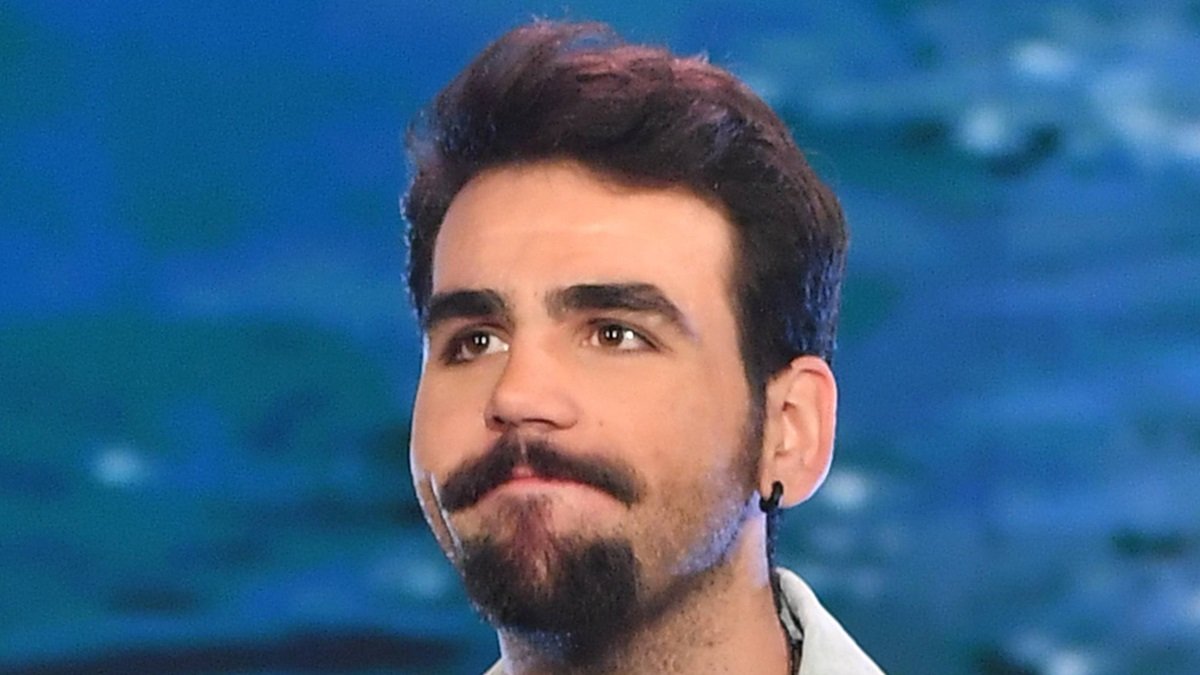
In the world of professional music, “the show must go on” is an unspoken law. Artists are expected to deliver the same high-voltage emotions in a stadium of 50,000 as they do in a rehearsal room. But for Ignazio Boschetto, the operatic soul of Il Volo, there is one song that refuses to be “professionalized.”
“Caruso,” Lucio Dalla’s haunting tribute to the legendary tenor Enrico Caruso, is a staple of Italian culture. It is a song about the sea, about legacy, and about the bittersweet proximity of love and death. For most, it is a technical challenge. For Ignazio, it appears to be a ritual.
The Geography of a Solo
If you look at the standard Il Volo tour, the three voices usually weave together in a tapestry of “Grande Amore” or “O Sole Mio.” But “Caruso” is different. Fans have documented that when Ignazio takes this song as a solo, it is rarely a random choice by a creative director. It usually marks a period of profound personal trial.
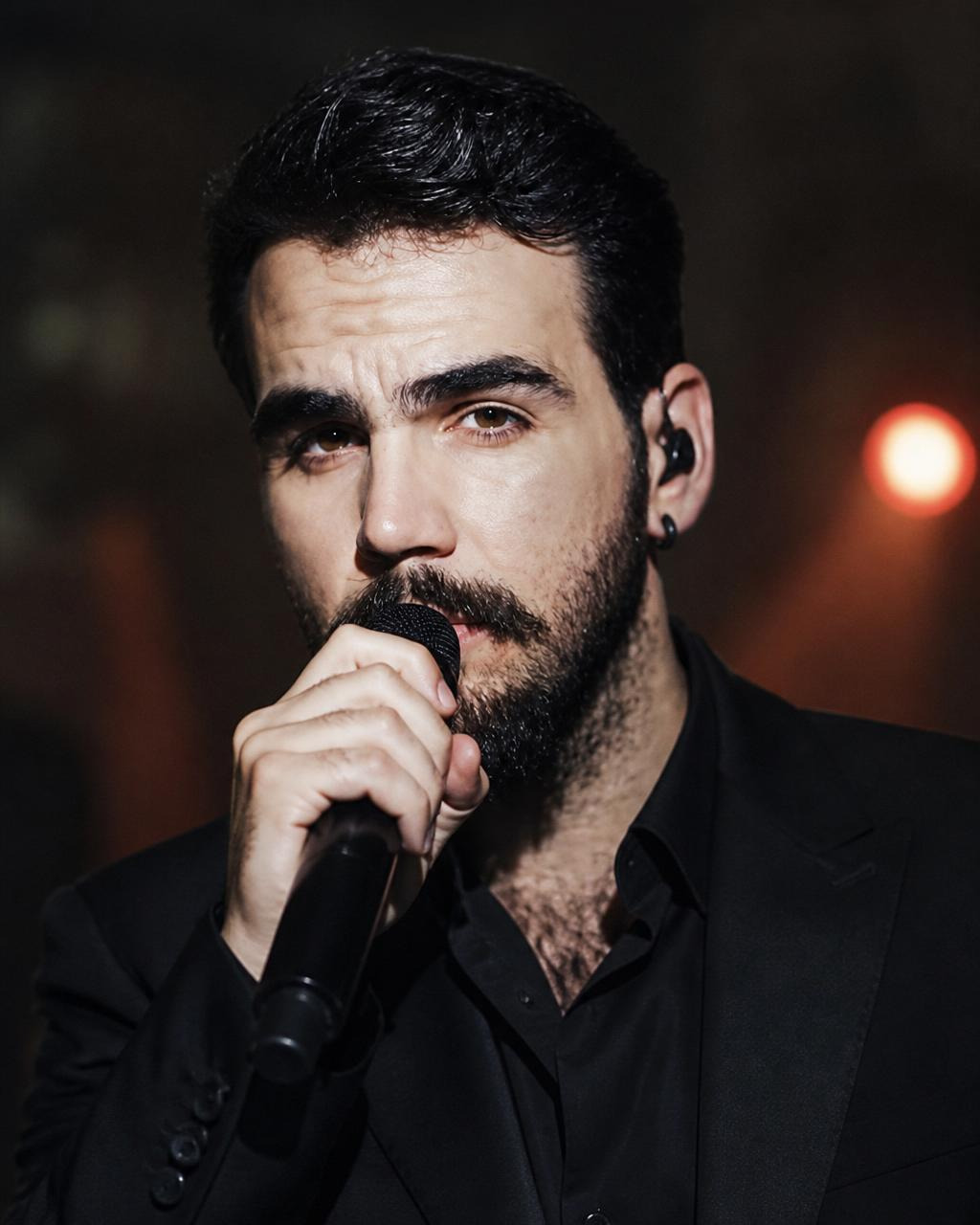
The most poignant example remains the period following the passing of his father, Vito. While the trio continued to tour—a testament to their work ethic—the moments where Ignazio stood alone to sing Dalla’s lyrics felt less like a performance and more like a conversation with someone who wasn’t in the room. Piero Barone and Gianluca Ginoble, his “brothers” for over fifteen years, seem to intuitively understand this. They don’t just stop singing; they physically recede, giving Ignazio the space to be alone with his memory.
Two Minutes of Sicily
The 2024 performance in a small theater near Marsala, Sicily, has already entered Il Volo lore. Sicily is Ignazio’s heartland, the place where his roots are buried deepest. That night, his rendition of “Caruso” was technically flawless, but emotionally volatile.
When the final note faded into the rafters, the applause didn’t start immediately. Instead, Ignazio stood in total silence for nearly two minutes. He didn’t bow. He didn’t smile. He simply breathed the same air as his ancestors. Some call it “stage fright” or “exhaustion,” but those who know the history of the Boschetto family know it was a moment of pure, unshielded grief. He wasn’t a “pop-opera star” in that moment; he was a son standing on the soil of his father.
The Debt of the Artist
This brings us to the ultimate conflict of the performer: the debt of the artist. Does Ignazio owe “Caruso” to the fans who paid for a ticket? Or does he owe the song to his own heart?
The beauty of Ignazio’s choice lies in its rarity. By refusing to sing “Caruso” every single night, he keeps the song “clean.” He prevents it from becoming a mechanical routine. When he finally does give it to the audience, he isn’t giving them a rehearsed cover; he is giving them a piece of his current reality.
In the end, Ignazio owes his greatest debt to his own authenticity. If he sang “Caruso” without feeling it, he would be lying to the fans. By choosing silence over a hollow performance, he honors the music, his grief, and the people watching—reminding us all that some songs are too heavy to be sung every day.