
Introduction
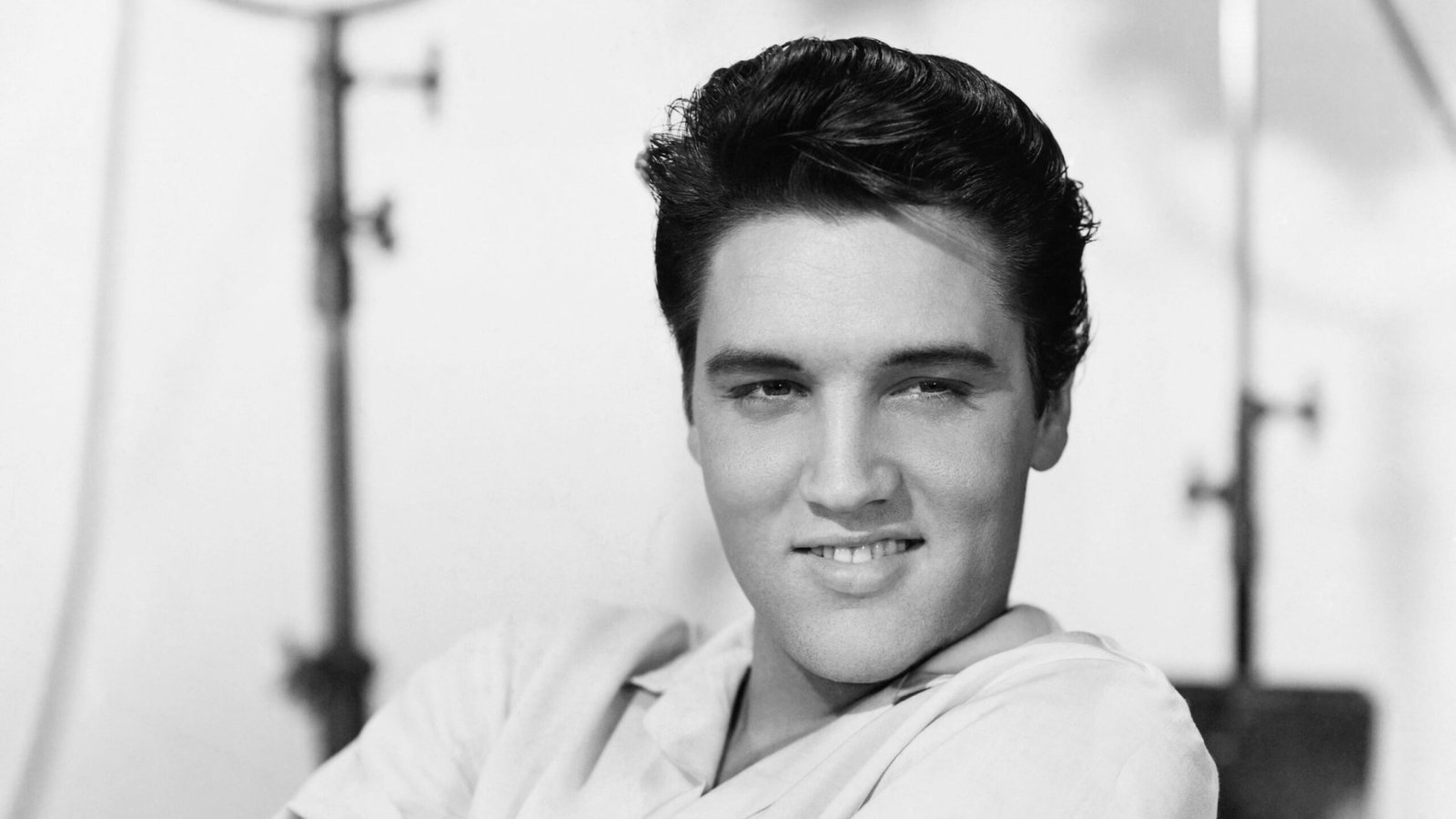
The summer of 1970 did not simply welcome the return of Elvis Presley. It witnessed a force of nature reclaiming a throne that many believed had slipped beyond reach. Inside the packed showroom of the International Hotel in Las Vegas the air was thick with perfume smoke and a current of tension that felt almost electric. When the lights dropped the darkness did not settle. It tore open as a figure in a white jumpsuit stepped forward. What followed was not a concert in the traditional sense. It was a confrontation between a man and the myth he had created.
This was not the hip shaking rebel of 1956 nor the exaggerated image that hovered over the final years. This was the Panther sleek tanned and carved into a silhouette that looked more like royal armor than stagewear. In these rare performances captured in the film That’s the Way It Is Elvis stood at the peak of his physical and vocal strength. He had fought his way back to the top yet something in his presence suggested a man still desperate to prove he belonged there.
At the center of this resurgence was the song Suspicious Minds. In the studio it was a polished masterpiece. Live on stage it became something far more urgent. When the opening guitar line from James Burton cut through the room Elvis began pacing the stage with coiled energy. His hands marked the rhythm and his eyes scanned the darkened crowd with the intensity of someone speaking a truth he rarely said aloud.
Written by Mark James the lyrics told a story of jealousy and doubt. In Elvis hands they turned into a confession. The irony was striking. Women in the audience screamed his name yet he sang about insecurity as if he understood it intimately. Back home in Graceland hairline cracks had begun to form in his marriage to Priscilla Presley. Fame was a cage disguised as luxury and the metaphor of the trap within the song felt increasingly literal.
When he dropped to his knees pleading the line Why cant you see what youre doing to me there was no performance mask. He was voicing a loneliness that fame never erased. The show evolved into a masterclass of shifting rhythm. Elvis slowed the phrasing to a near whisper before Ronnie Tutt’s drums blasted the chorus open again. Every movement grew sharper more frantic almost violent. Karate chops sliced the air and his body jerked with the beat. Sweat poured down his temples spilling onto the once pristine fabric.
He wiped his face with a scarf then handed it to a woman in the front row who clutched it like a sacred offering. These exchanges defined the Las Vegas years. They were ritual not decoration. They symbolized the strange relationship between the man and the millions who adored him.
Jerry Scheff once remarked He did not just sing the songs he fought them. By the end of Suspicious Minds he was gasping for air yet he would not let the band stop until he had given every ounce he had left.
Midway through the performance the structure dissolved. Elvis wandered to the edge of the stage kissing fans shaking hands and pulling the room into a frenzy that would overwhelm most performers. He fed off that attention as if it were oxygen. Then he returned to the microphone breathless and ready for the final assault on the song. Lights flashed cymbals crashed and he struck dramatic poses legs spread arms outstretched before collapsing into the next beat. Every second broadcast urgency. Every gesture signaled a man caught between triumph and something darker.
Decades later these shows are often remembered for their extravagance but beneath the glitter lies something closer to tragedy. Watching Elvis Presley perform Suspicious Minds in 1970 feels like witnessing a personal struggle play out under blinding spotlights. Night after night he handed pieces of himself to the crowd until eventually there was nothing left to give. He sang about a trap he could not escape while thousands cheered unaware of how literal the words had become.
As the music faded and the final chord echoed through the room he stood at center stage chest heaving eyes fixed on the blazing lights. For a brief moment the famous smile vanished. What remained was the man behind the title. Victorious yet exhausted regal yet isolated. Alone in a room of two thousand faces.
One band member later recalled There was a moment at the end of that song when everything around him went silent in our heads. You could see the weight he carried even while the crowd roared.
That night in Las Vegas was more than a performance. It was a clash between identity and expectation between the crown and the man forced to wear it. And as the spotlight burned brighter the question lingered in the air for anyone willing to look past the spectacle. What would happen when the trap finally closed and the music stopped.
Video