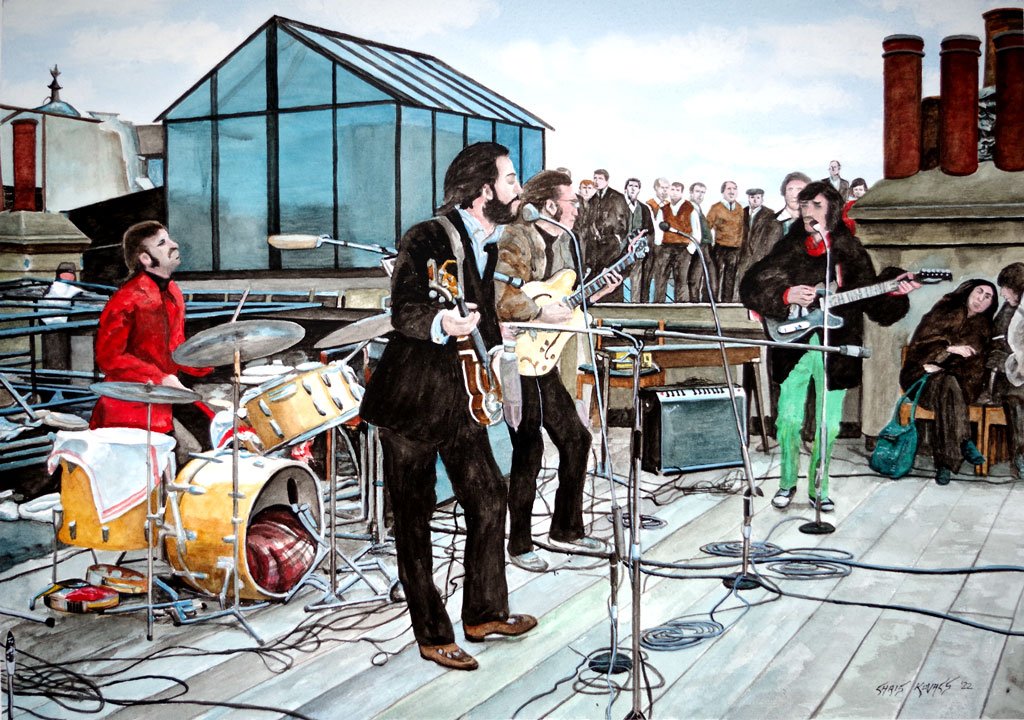
Long before stadiums, screaming crowds, and global recognition, The Beatles were just four young musicians grinding through long nights in dimly lit clubs. Their time in Hamburg, Germany, is often described as the crucible that forged their sound—and one particular night stands out as a turning point, even if they didn’t realize it at the time.
It was the end of an exhausting stretch. More than 250 performances had tested their endurance, sharpened their instincts, and forced them to grow as a band. Night after night, they played for hours on end, often in less-than-ideal conditions. The clubs were loud, the crowds unpredictable, and the expectations relentless. But it was exactly this environment that shaped John Lennon, Paul McCartney, George Harrison, and Ringo Starr into the tight, dynamic unit they would soon become known for.
On that final night in Hamburg, the atmosphere was thick with fatigue and urgency. The band powered through extended sets, stretching songs into raw, unpolished jams. There was no sense of occasion, no grand farewell—just another gig in a long line of gigs. And yet, something about the performance felt different. Maybe it was the edge in their playing, or the way they pushed themselves just a little harder, as if sensing that change was coming.

Unbeknownst to them, the night was being recorded. The equipment didn’t capture perfection—it captured reality. You can hear the grit in Lennon’s voice, the urgency in McCartney’s bass lines, the sharp accents of Harrison’s guitar, and the steady drive of Starr’s drumming. It’s messy at times, even chaotic, but that’s exactly what makes it compelling. This wasn’t the polished Beatles that would later conquer the charts; this was a band still in the process of becoming.
What makes this recording so significant is not just its rarity, but its timing. Soon after, the group would return to England, where everything began to shift. Within a relatively short span, they would move from club stages to recording studios, from local recognition to international fame. The rawness of Hamburg would give way to refinement—but it would never fully disappear. That early intensity remained embedded in their music, even at the height of their success.

Listening back to that final night feels like opening a time capsule. You can sense the hunger, the ambition, and the sheer determination that drove them forward. It’s a reminder that greatness doesn’t appear overnight—it’s built through countless hours of effort, often far from the spotlight.
For fans, this moment offers something rare: a chance to hear The Beatles before they became a global phenomenon. Before the suits, the fame, and the cultural revolution, there were just four musicians giving everything they had on a small stage in Hamburg.

They didn’t know it then, but that night marked the end of one chapter and the beginning of another. And in that transition, captured by chance, we hear not just a performance—but the sound of history about to unfold.