For decades, the story of The Beatles has felt complete—a legacy sealed in history, preserved through timeless music and cultural impact. But now, a new chapter may be quietly unfolding, not through the band itself, but through the next generation.

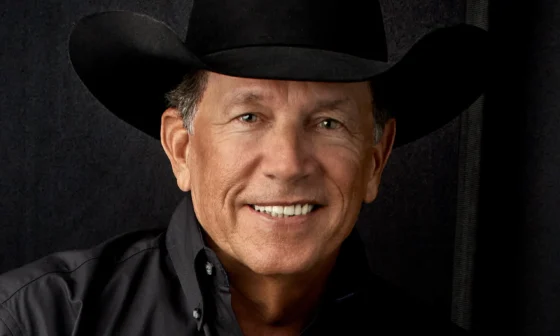
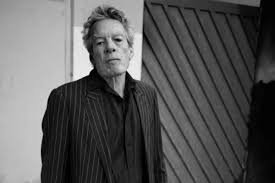
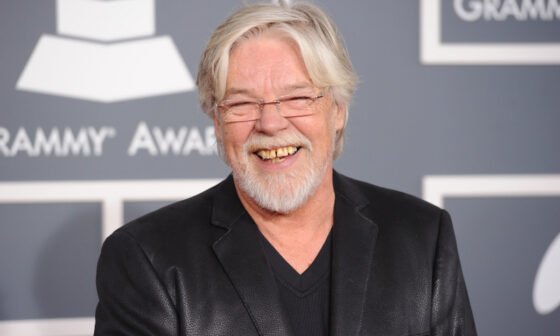
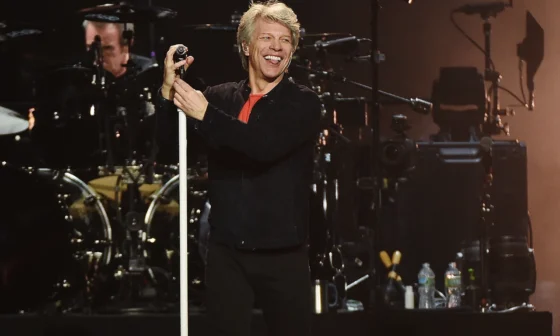
Reports suggest that Julian Lennon, Sean Lennon, Dhani Harrison, Zak Starkey, and James McCartney are coming together for a new track titled “All That Still Remains.” On paper, it’s a collaboration that feels almost inevitable—and yet, the reality appears to be something far more nuanced than a simple continuation of a legendary name.
Rather than attempting to recreate the sound that defined their fathers’ generation, this project is said to move in the opposite direction. There are no sweeping references to classic Beatles melodies, no deliberate callbacks designed to trigger nostalgia. Instead, the song is described as restrained and introspective, built around themes that feel deeply personal: memory, distance, and the lingering weight of unfinished conversations.

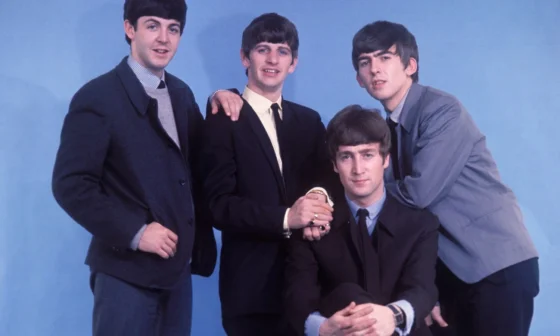
For these five musicians, legacy is both a gift and a challenge. Each has spent years navigating a path shaped, in part, by a surname that carries extraordinary expectations. Being connected to John Lennon, Paul McCartney, George Harrison, and Ringo Starr means inheriting not only musical DNA, but also a cultural shadow that is nearly impossible to step outside of.
That is what makes this collaboration so compelling. It isn’t about stepping into their fathers’ roles—it’s about stepping away from them, even if only slightly. The reported tone of “All That Still Remains” suggests a conscious effort to avoid imitation, choosing instead to explore identity on their own terms.
There is something quietly powerful in that choice. In an era where legacy acts and reunions often rely on revisiting the past, this project seems to resist that pull. It asks a different question: what does it mean to create something new when your starting point is already part of music history?
Listeners are already speculating about how the song will sound. Will echoes of the past emerge naturally, woven into their voices and instincts? Or will the track mark a clear departure, signaling a generational shift? The answer may lie somewhere in between. After all, influence cannot be erased—but it can be reinterpreted.
What sets this moment apart is its emotional undercurrent. The themes of memory and distance hint at something more reflective than celebratory. These are not just musicians collaborating; they are individuals processing their own connections to the past—relationships, expectations, and the stories they’ve inherited.
If the reports are true, “All That Still Remains” may not be a loud or defining statement. It may not aim to reshape the industry or rival the legacy of The Beatles. But that might be exactly its strength. In its quietness, it offers something more honest: a glimpse into what it means to carry history while trying to write something of your own.

And when those five voices finally come together, the most interesting question won’t be whether they sound like their fathers. It will be whether they sound like themselves.