
When The Beatles appeared on The Ed Sullivan Show in February 1964, it marked a turning point not just for the band, but for popular culture itself. Broadcast to millions across the United States, the performance introduced a new kind of musical phenomenon—one that would soon be known as Beatlemania.
The energy in the studio was electric, and the reaction from viewers at home was immediate. Fans were captivated by the band’s sound, style, and personalities. Yet amid the excitement, one small detail flashed across television screens that would leave a lasting impression, particularly among younger fans.
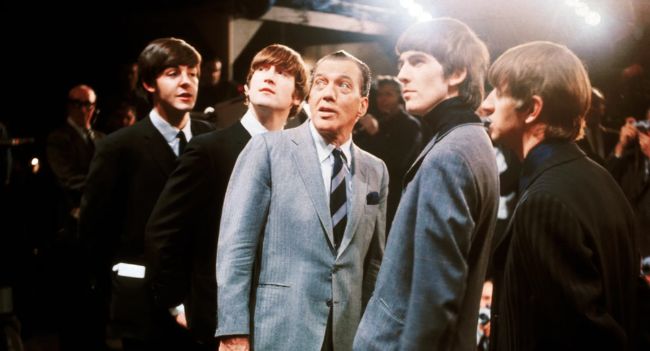
As each member of the band was introduced, captions appeared on screen identifying them. When it came time to present John Lennon, the caption included a simple but revealing note: “Sorry girls, he’s married.”
It was a brief line, easy to miss in the excitement of the moment—but its impact was anything but small. At the time, Lennon’s marriage to Cynthia Lennon had not been widely emphasized in the band’s public image. Like many young pop acts of the era, The Beatles were marketed in a way that allowed fans—especially teenage girls—to imagine a personal connection with the band members.
The decision to display that message on such a widely watched program was unexpected. For many viewers, it was the first time they had heard about Lennon’s marriage. The reaction ranged from surprise to disappointment, particularly among fans who had quickly developed crushes on the band.
In later years, Paul McCartney reflected on that moment, noting how unusual it was for such personal information to be presented so directly during a performance. It turned what might have been just another introduction into a moment that stood out in the broadcast’s history.

What makes this detail so fascinating today is how it captures the intersection of image, marketing, and reality during the early days of The Beatles’ rise. The band was on the cusp of global fame, and every aspect of their presentation was carefully considered. Yet this small on-screen message broke through that carefully managed image, reminding viewers that behind the phenomenon were real individuals with personal lives.
Despite the brief shock it caused, the revelation did little to slow the band’s momentum. If anything, it added another layer to the growing fascination surrounding them. Fans continued to watch, listen, and follow their journey as Beatlemania spread across continents.
Looking back, the moment serves as a reminder of how even the smallest details can shape public perception. A single line of text, displayed for just a few seconds, became part of one of the most iconic television appearances in music history.

And decades later, it still sparks curiosity—not because it changed the course of The Beatles’ success, but because it offered a rare glimpse behind the image at a time when the world was just beginning to fall in love with them.