David Gilmour set to release a new album within the “next year or two”

David Gilmour

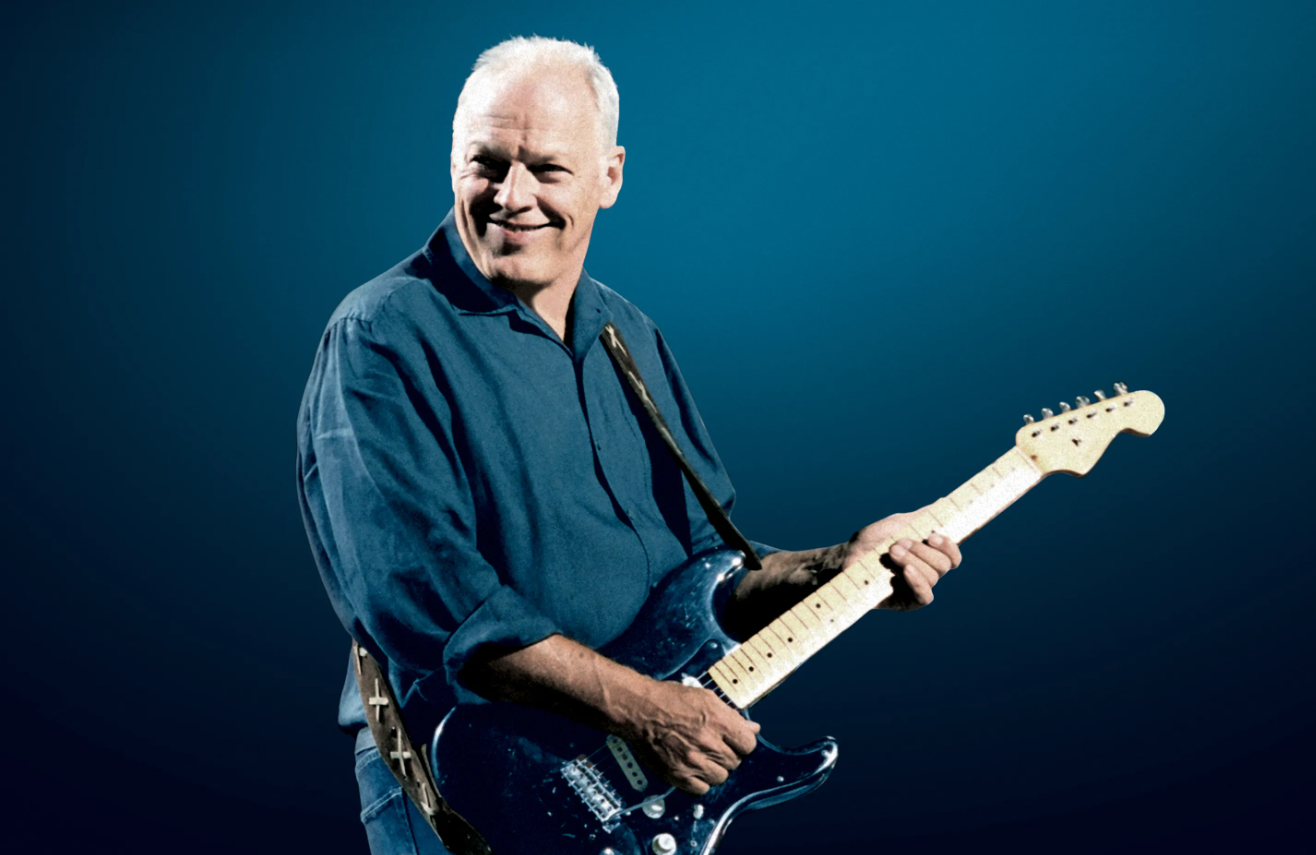
David Gilmour has confirmed that he’s already at work on a new solo album, which he hopes to release within the next year or two. The news comes less than a year after the Pink Floyd legend wrapped up his successful Luck and Strange tour.

Gilmour’s last record, released in 2024, took him across the globe for 23 shows, including multiple sold-out nights at London’s Royal Albert Hall and six huge concerts at Rome’s Circus Maximus. That Roman run has since been turned into a brand-new concert film, Live at the Circus Maximus, which will arrive on September 17, 2025. The tour concluded last November with a grand finale at Madison Square Garden in New York, but Gilmour hasn’t slowed down since.

Speaking in a new interview with Rolling Stone, the guitarist revealed that much of his focus has already shifted to his next project. “I’m slowly building up towards a new album, and I have quite a bit of material that is in some sort of formative stage,” he explained. “That’s what’s keeping me busy at the moment.”

At this early point in the process, Gilmour is working largely alone with the help of ProTools, shaping rough ideas into songs before eventually bringing other musicians into the studio. “I then can take it into a studio with a bunch of people and know exactly what I want to do and how I want to get it done and present it to these people for their input,” he added.

Although there’s no fixed release date, Gilmour stressed that he doesn’t want another long gap between solo projects. His previous record followed a nine-year break after Rattle That Lock. “It’s always my intention to be a bit quicker, and I suspect this one will be a bit quicker,” he said. “But you never can tell. Within the next year or two.”

Now 79, Gilmour is also considering taking the new music on tour, though it would likely follow the same approach as Luck and Strange—a handful of carefully chosen shows, not a full-scale world tour. One possibility that has already been suggested is Las Vegas’ new Sphere venue, a high-tech arena that has attracted major acts. Gilmour admitted he hasn’t looked deeply into it yet but said the idea hasn’t been ruled out. “They have been on and suggested that I might do something there,” he said. “But in the future, who knows. I haven’t got that far.”

For now, fans can look forward to the upcoming release of David Gilmour: Live at the Circus Maximus this September, while keeping an ear out for news on the guitarist’s next chapter in the studio.

0 Shares:
Leave a Reply

Your email address will not be published. Required fields are marked *

You May Also Like
paul
Read More

Ever Felt a Song Tear Through Your Soul Like Fire and Ice? Paul McCartney’s Calico Skies Is a Legendary Anthem of Love, Loss, and Heartbreak That Burns with Every Note, Carrying the Longing, Devotion, and Raw Emotion of His Unforgettable Love for Linda, a Love That Echoes Through Melody and Lyrics, Proof That True Love Can Be Epic, Timeless, and Unforgettable Even After Someone Is Gone.

“Beautiful Night” stands as more than just another track in Paul McCartney’s extensive solo repertoire—it’s a song that…
paul
Read More

“And in the end…” the Grammys didn’t close with a speech — they closed with rock history. Paul McCartney led an Abbey Road medley (“Golden Slumbers / Carry That Weight / The End”) that felt like a final scene in a film. Then the stage turned into a guitar summit: Springsteen, Dave Grohl, Joe Walsh — six guitars trading solos, just like the original Beatles recording. Earlier, Paul had already brought the room to silence with “My Valentine”… then came the storm. One night. One medley. One ending nobody forgets.

A Once-in-a-Lifetime Abbey Road Medley as Paul McCartney Leads Springsteen, Grohl, and Walsh in a Grammy Night That…
Ignazio Boschetto
Read More

When Silence Spoke Loudest: Ignazio Boschetto’s Quiet Moment During “Grande Amore”It was meant to be a charity concert in Rome, but for those present, it became something far more intimate—a moment that felt less like a performance and more like a memory unfolding in real time. Ignazio Boschetto took the stage that evening with the quiet confidence of someone used to standing in front of audiences. Yet this time, the focus shifted away from him. The spotlight slowly moved toward Michelle Bertolini, his wife, who stepped forward without dramatic introduction or visible tension. The choice of song was not random. “Grande Amore” is not just one of the defining pieces of Ignazio’s career—it is a song that represents a chapter of his artistic identity, one that has been performed across stages around the world. But this time, it returned in a different form, carried by the voice of someone who shares his private world. As the opening notes began, the atmosphere in the room shifted almost instantly. Conversations faded. Movement slowed. The audience seemed to collectively recognize that what they were witnessing was not a standard performance. Ignazio did not join in. Instead, he remained still. With his hands gently resting and his posture calm, he watched and listened. There was no attempt to perform alongside her, no interruption of the moment. His silence became part of the performance itself—an unspoken presence that grounded everything happening on stage. Observers in the room noted how his expression remained steady throughout. It was not detachment, but attention. A quiet acknowledgment of something deeply familiar being reshaped in front of him. Hearing a song so closely tied to his own career, performed by someone he loves, created a layer of meaning that words would likely have interrupted rather than enhanced. As the song progressed, the silence around him seemed to deepen rather than fade. In many concerts, applause or vocal reactions fill the gaps between powerful moments. Here, however, the absence of noise became the defining feature. Every note carried further because nothing competed with it. There was no need for spectacle. No exchange of gestures between performer and audience. Just a shared experience unfolding slowly, almost carefully, between two people and the music that connected them. When the final notes finally faded, the room reportedly remained quiet for a brief moment longer than expected—an instinctive pause, as if no one wanted to break the atmosphere too quickly. What stayed with many in attendance was not a dramatic gesture or a climactic reaction, but the simplicity of Ignazio’s stillness. A silence that did not feel empty, but full—of memory, meaning, and something deeply personal that could not be fully expressed through applause. In the end, it wasn’t just “Grande Amore” that was heard that night. It was what silence can sometimes say when words and music briefly meet in the same space.

It was meant to be a charity concert in Rome, but for those present, it became something far…