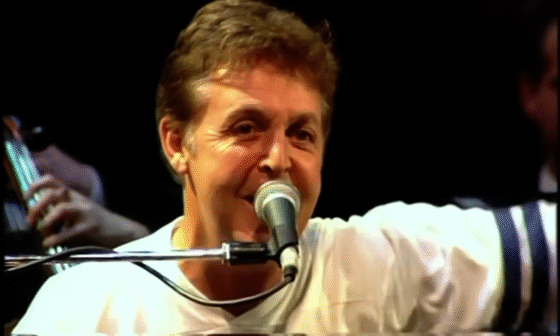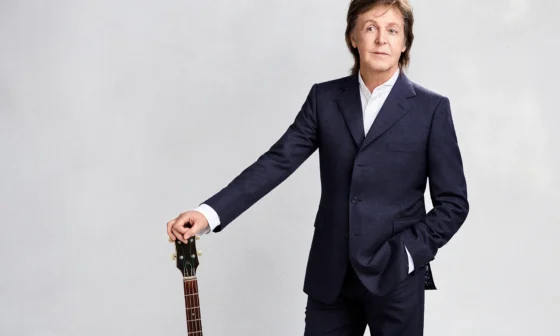
For much of the world, The Beatles seemed to revolve around two towering creative forces: John Lennon and Paul McCartney. They were the songwriters, the public personalities, the voices constantly at the center of interviews and headlines.
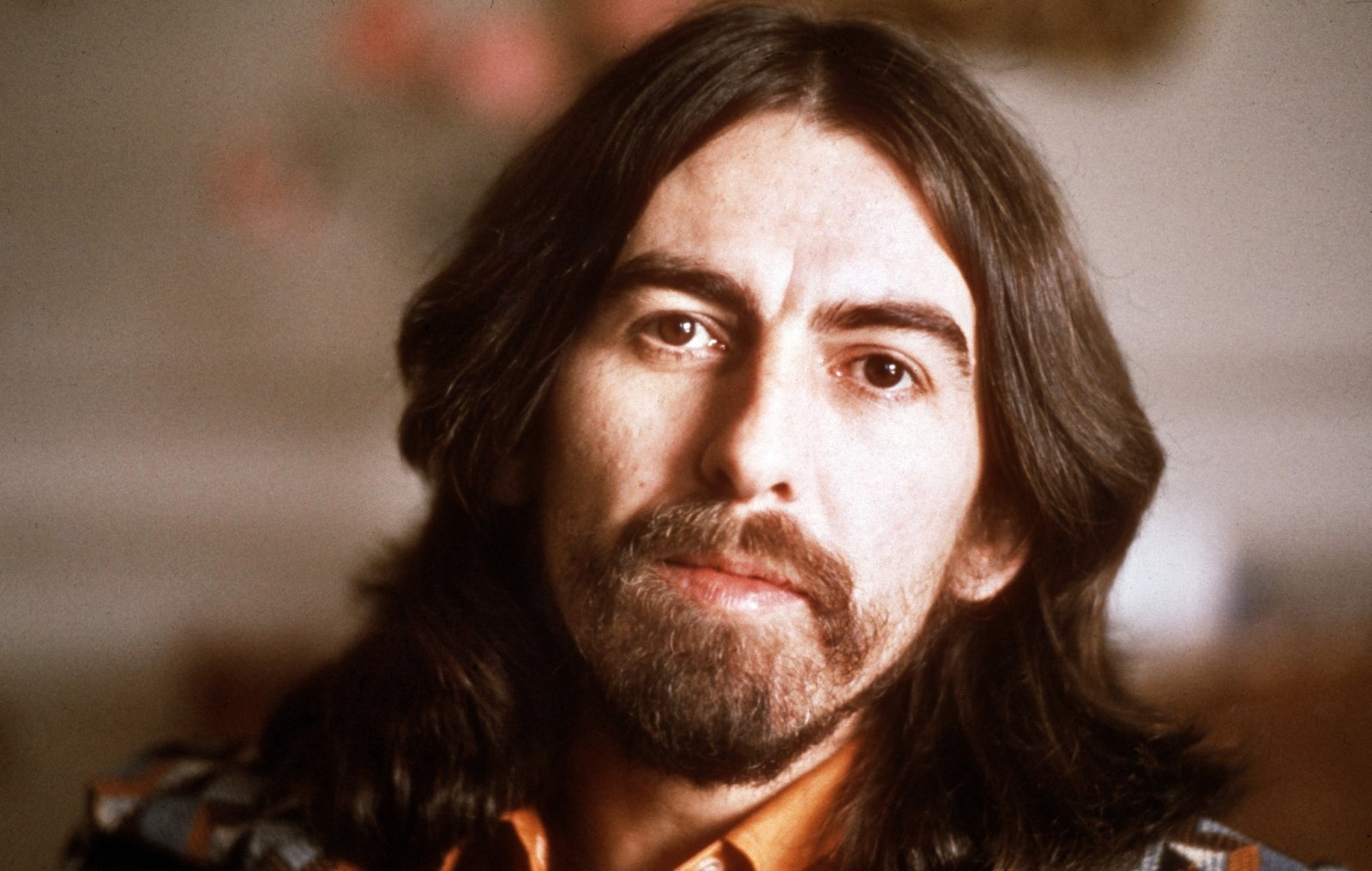
Meanwhile, standing slightly behind them was George Harrison — thoughtful, reserved, and often underestimated.
Fans and journalists eventually labeled him “The Quiet Beatle,” a nickname that reflected both his personality and the way he seemed to avoid fighting for attention. While Lennon and McCartney pushed creatively and publicly against one another, George often appeared more interested in searching for meaning beyond fame itself.
But silence should never be confused with emptiness.
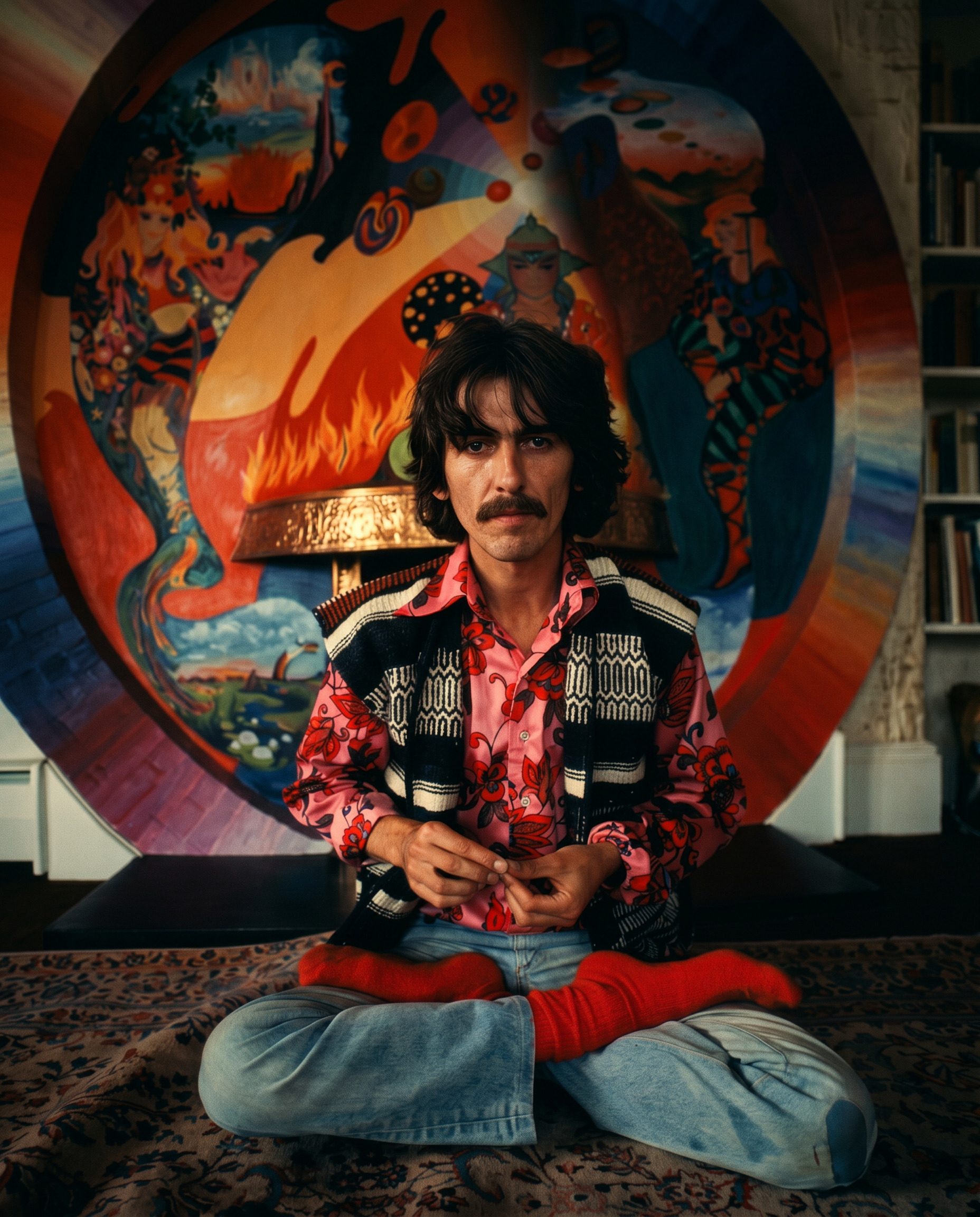
Behind George Harrison’s calm exterior was a deeply curious mind. As Beatlemania exploded around the world and the noise of celebrity became overwhelming, George began asking questions few people around him seemed focused on. What was the purpose of success? Could fame bring peace? Was there something more meaningful beyond money, applause, and public obsession?
Those questions eventually led him far beyond Liverpool and London.
George traveled to India, where he studied sitar under legendary musician Ravi Shankar. What began as musical curiosity evolved into a profound spiritual and artistic transformation. Through Indian philosophy, meditation, and Eastern music, George discovered ideas that deeply shaped both his life and his art.
At the time, many listeners did not fully understand what he was introducing into Western popular music. Yet songs influenced by those experiences gradually changed the sound and emotional direction of rock music itself. George helped open the door for spiritual exploration, world music influences, and introspective songwriting in mainstream culture.
Then came the breakup of the Beatles.
For years, some people had quietly viewed George as the overlooked member of the group — the talented guitarist who often struggled to have his songs included alongside Lennon and McCartney’s dominant partnership. But after the band separated, George stunned the music world.
In 1970, he released All Things Must Pass, a massive triple album filled with emotional depth, spiritual reflection, and musical ambition. The album became a global success, with “My Sweet Lord” reaching audiences across continents and topping charts worldwide.
Suddenly, the “quiet” Beatle had become the one with the most to say.
What surprised many people was not only the success itself, but the emotional honesty inside the music. George’s songs carried years of reflection, frustration, hope, and spiritual searching that had remained partially hidden during the Beatles era.
Yet despite his enormous solo success, George never seemed fully interested in celebrity culture.
In 1971, he organized the historic Concert for Bangladesh, bringing together major musicians to raise awareness and humanitarian aid for people suffering during a devastating crisis. The event became one of the first large-scale benefit concerts in modern music history and changed the way artists understood their ability to help beyond entertainment.
Even then, George rarely presented himself as a hero. He often returned quietly to private life, focused more on personal peace than public recognition.
That is perhaps why his legacy continues to resonate so deeply.
George Harrison did not try to dominate every room he entered. He did not chase attention with constant noise or spectacle. Instead, he offered something quieter — music rooted in reflection, compassion, and the belief that inner understanding matters more than fame.
And in the end, the Beatle once described as “quiet” became one of the loudest spiritual voices his generation ever heard.