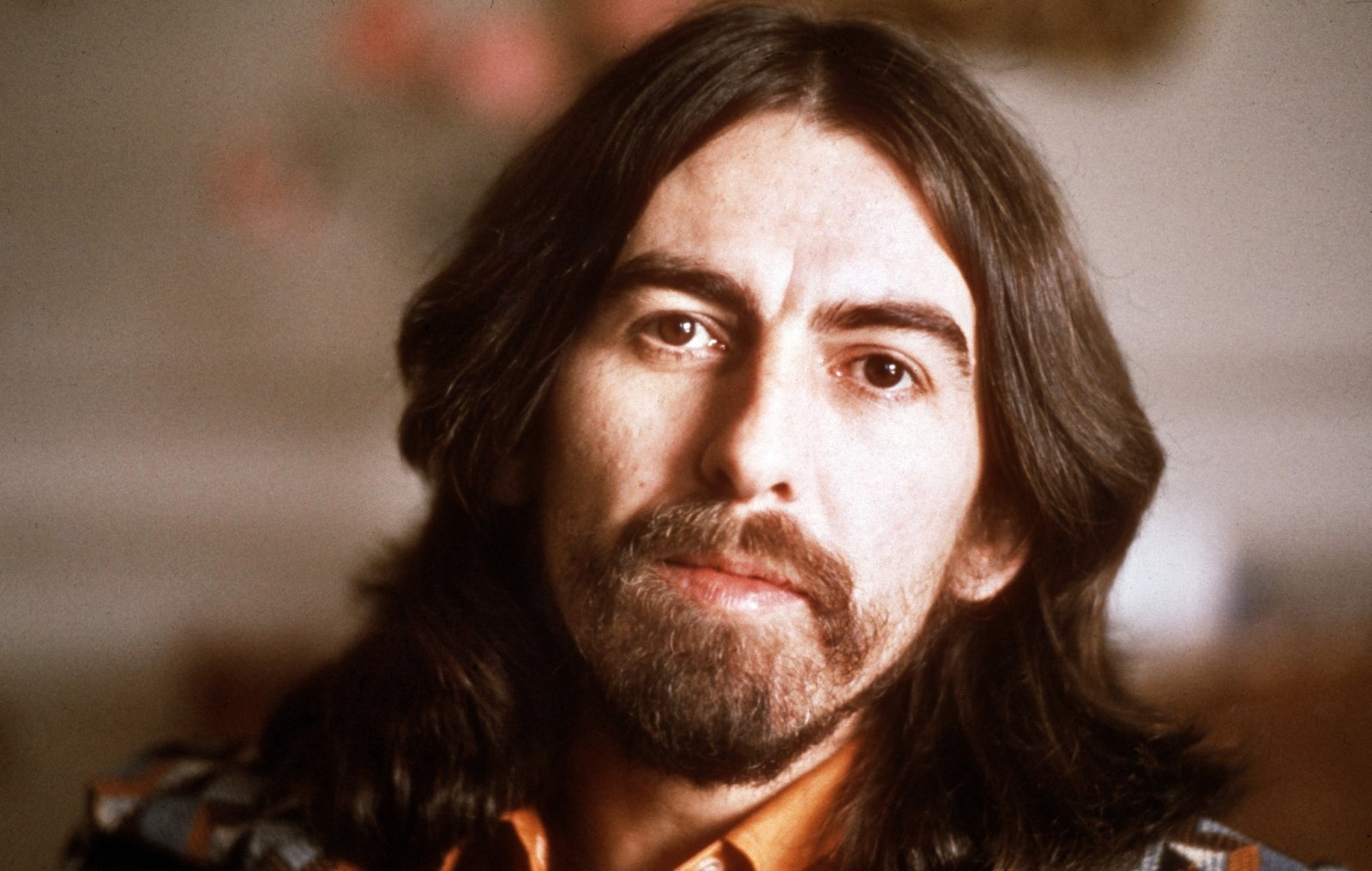
In the final years of his life, George Harrison approached music with a sense of calm that many listeners found deeply moving. After decades spent navigating global fame, spiritual exploration, and personal challenges, the former member of The Beatles seemed to arrive at a place of quiet acceptance.
One of the most remarkable moments from those last recording sessions was his version of Between the Devil and the Deep Blue Sea. Originally written in 1931, the song had long been a staple of jazz and popular music. Its lyrics describe a familiar dilemma — feeling trapped between two difficult choices.
Yet Harrison approached the song in a very different spirit.
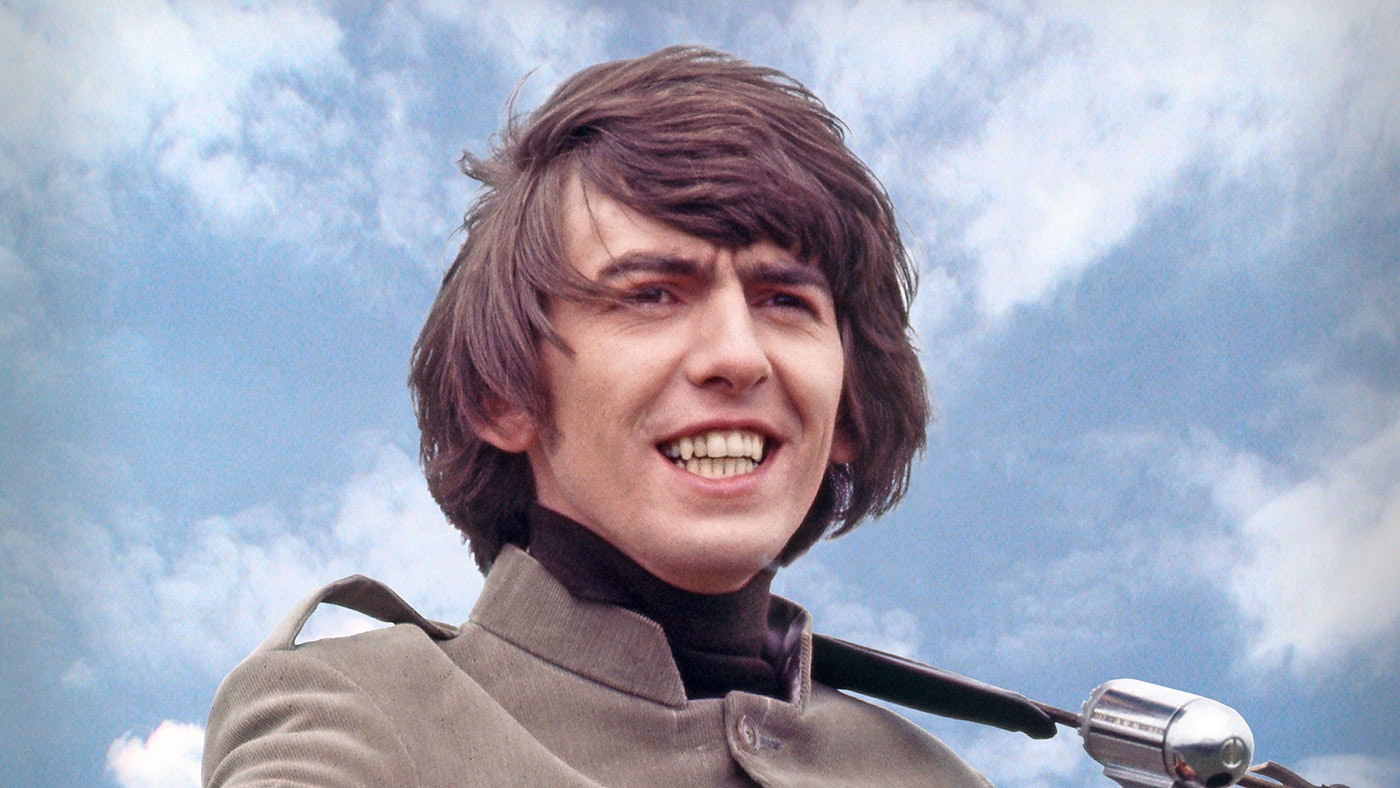
Rather than dramatizing the conflict in the lyrics, he delivered the performance with warmth and relaxed charm. His voice carried a sense of ease, even gentle humor, as though the struggle described in the song had lost its urgency. For listeners familiar with Harrison’s lifelong search for deeper meaning through meditation and spirituality, the interpretation felt especially meaningful.
It was as if the song had become something personal — not about conflict, but about perspective.
Following Harrison’s passing in 2001, the recordings from those final sessions were carefully completed by his son Dhani Harrison along with longtime collaborator Jeff Lynne. Together they finalized the album Brainwashed, which was released the following year.
The album stands as a remarkable closing chapter in Harrison’s career. While some posthumous releases can feel incomplete or unfinished, Brainwashed carries a sense of warmth and clarity that reflects the spirit Harrison brought to the sessions.
His version of “Between the Devil and the Deep Blue Sea” is particularly striking because of its lightness. Instead of trying to reinvent the old jazz standard or turn it into a dramatic farewell, Harrison treated it with simple affection — almost like revisiting an old friend.
That choice gave the recording a surprising emotional depth.
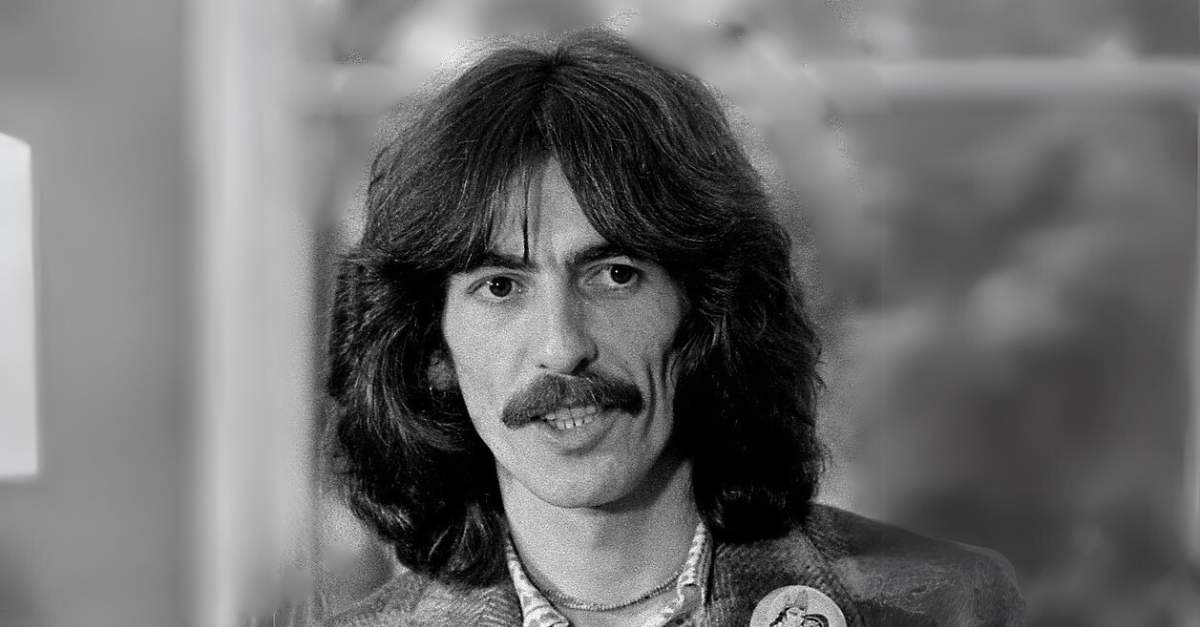
Listeners often expect final works by artists to carry a heavy sense of goodbye. In Harrison’s case, however, the performance suggests something very different: a peaceful acceptance of life’s contradictions.
For a musician who spent years exploring spiritual philosophies and questioning the meaning of fame, that tone feels deeply fitting.
The song doesn’t sound like a man fighting the end of life. Instead, it sounds like someone who has already made peace with it.
And in that gentle voice — relaxed, playful, and quietly wise — many fans hear something extraordinary: the sound of George Harrison exactly as he wished to be remembered.