How “Time to Say Goodbye” Turned a Boxing Farewell Into Music History

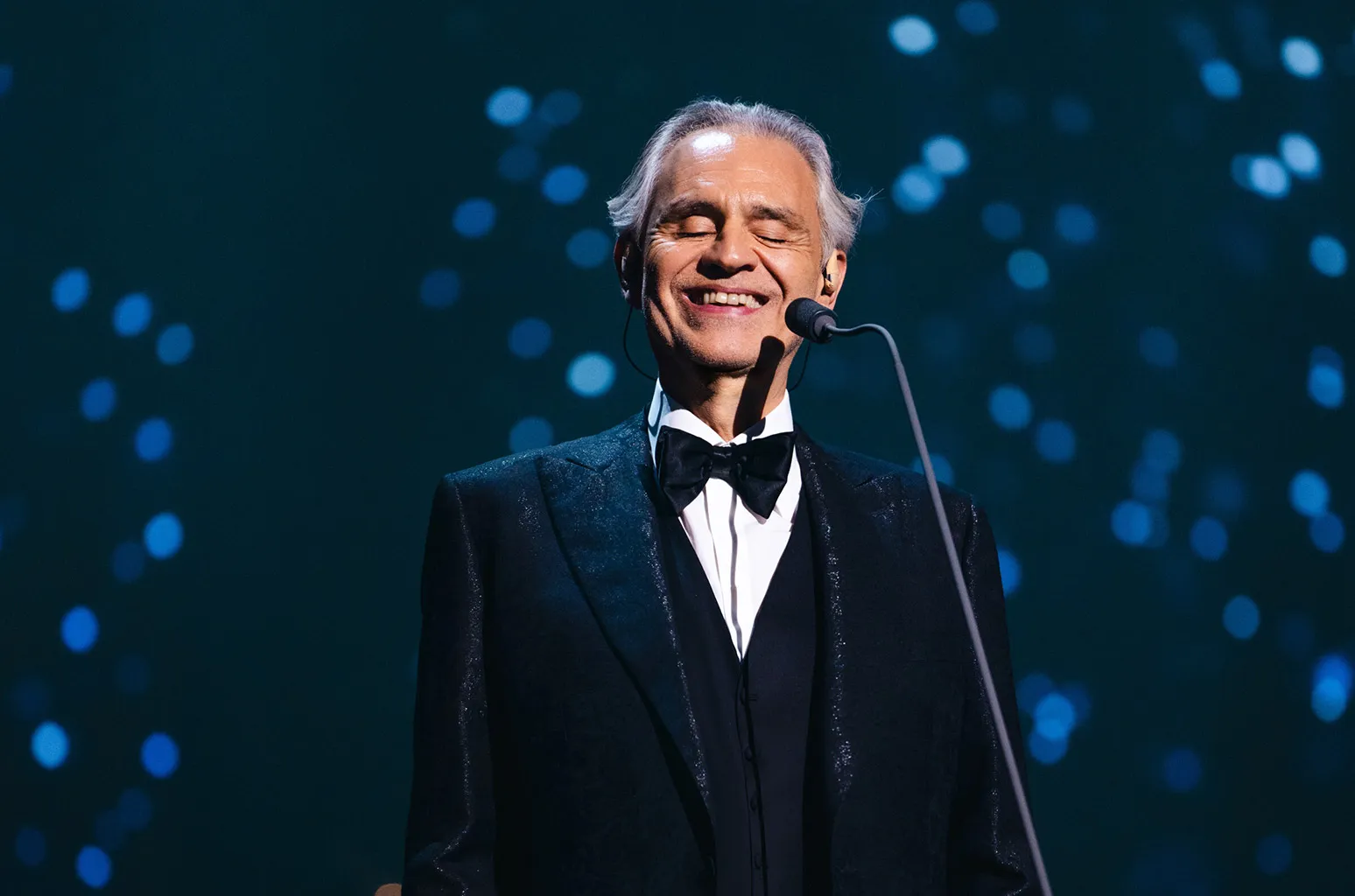
andrea bocelli

In the mid-1990s, few people could have predicted that one of the most successful songs in European music history would emerge from a boxing event. Yet that is exactly what happened when Sarah Brightman and Andrea Bocelli came together for a performance that would forever change both of their careers.

The story began in 1996, when German boxing champion Henry Maske prepared for what was expected to be the final fight of his legendary career. The event was already a major occasion in Germany, drawing enormous attention from sports fans across the country. Organizers wanted a memorable musical performance to match the emotional weight of the evening, and Sarah Brightman was selected to sing.

At the time, Brightman was already internationally recognized for her powerful soprano voice and theatrical performances. But during preparations for the event, she heard a song recorded by Andrea Bocelli, an Italian tenor whose fame had not yet expanded far beyond Europe. The song was called “Con Te Partirò.”

Something about Bocelli’s voice immediately stood out to her. It was emotional without feeling forced, powerful without losing tenderness. Brightman believed the song carried exactly the kind of feeling needed for a farewell event centered around both victory and goodbye.
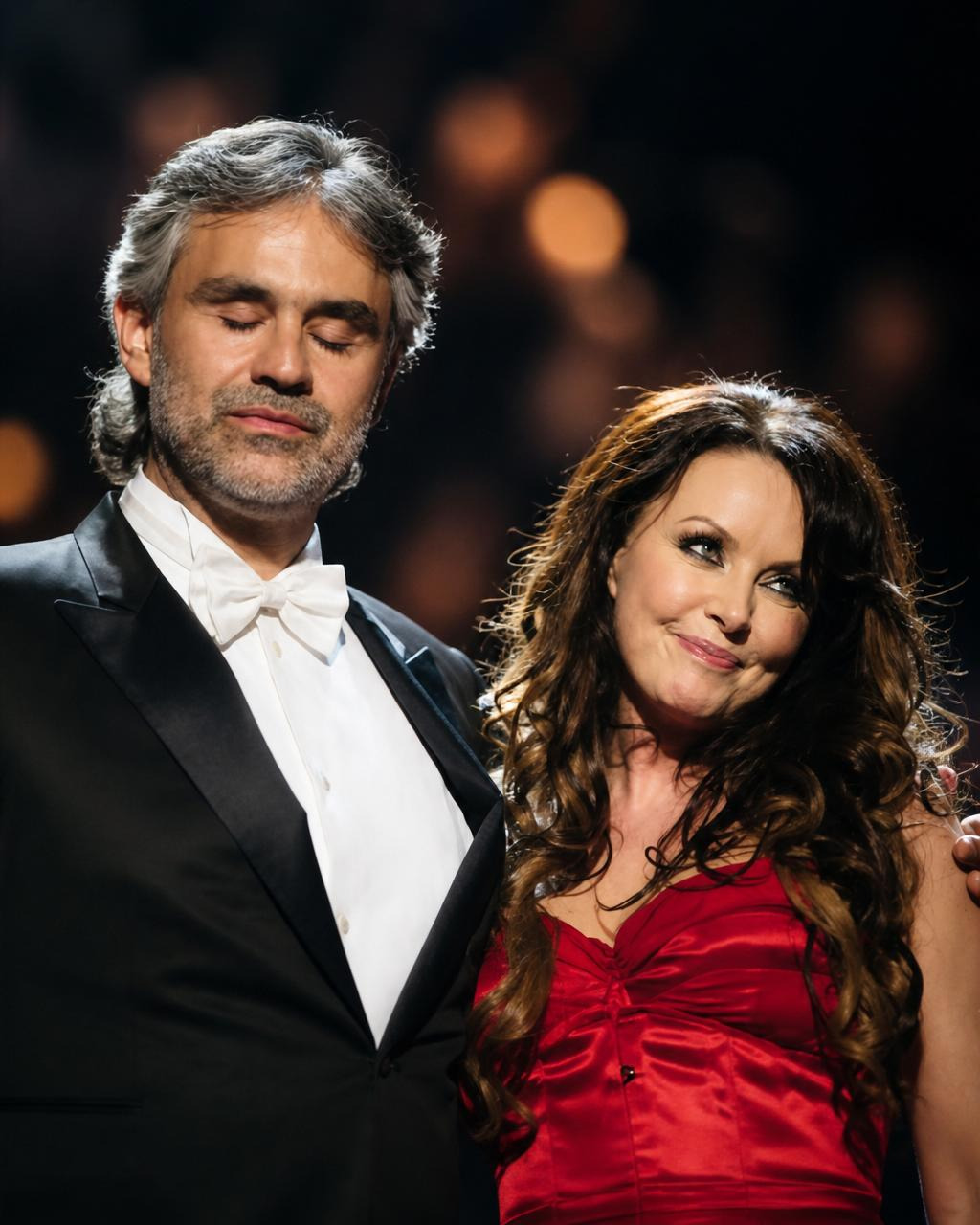
Rather than perform alone, she suggested turning the original Italian ballad into a duet. New English lyrics were added alongside the Italian verses, creating a version that blended two languages and two very different voices. The song was renamed “Time to Say Goodbye.”

What happened next became part of music history.

On the night of Henry Maske’s farewell fight, the atmosphere inside the arena was electric. Fans had gathered expecting the intensity of a championship boxing match — cheering crowds, loud celebrations, and emotional speeches. But when Brightman and Bocelli stepped onto the stage, the energy shifted almost instantly.

As the opening notes filled the arena, the crowd grew quiet. Bocelli’s rich tenor voice paired perfectly with Brightman’s soaring soprano, creating a performance that felt far larger than the sporting event itself. Even those unfamiliar with opera or classical crossover music found themselves completely absorbed by the moment.

By the end of the performance, the audience erupted into applause. Yet no one could have imagined how quickly the song would spread beyond that arena.

“Time to Say Goodbye” soon became a phenomenon across Germany and much of Europe. The single reached No. 1 in Germany and remained there for 14 weeks. Reports at the time claimed it was selling up to 60,000 copies per day during its peak popularity. Eventually, it became one of the biggest-selling singles in German chart history.

For Andrea Bocelli, the duet introduced his voice to millions of international listeners and marked the beginning of his rise as one of the world’s most beloved tenors. For Sarah Brightman, it became one of the defining performances of her career.

Even decades later, the song continues to resonate with audiences around the world. What began as a farewell performance for a boxer evolved into a timeless musical moment — proof that sometimes the most unexpected stages create the most unforgettable history.

https://youtu.be/4L_yCwFD6Jo?si=-vT3IoV9cml6xPs3
0 Shares:
Leave a Reply

Your email address will not be published. Required fields are marked *

You May Also Like
bruce springsteen
Read More

No warning. No promotion. Bruce Springsteen stepped onto the Stone Pony stage and, in a matter of minutes, transformed a quiet benefit show into a night fans won’t forget. With 4 songs, an unexpected interruption, and a history stretching back 50 years, the surprise appearance felt less like a cameo and more like a homecoming — the kind that only happens once in a lifetime.

Bruce Springsteen makes surprise appearance at The Stone Pony Bruce Springsteen on Jimmy Kimmel Live!/(Disney/Randy Holmes) Bruce Springsteen…
Read More

Paul McCartney’s Surprise SNL Performance Left the Entire Studio Frozen in NostalgiaFew artists can walk onto a stage and instantly change the emotional temperature of an entire room quite like Paul McCartney. During the Season 51 finale of Saturday Night Live, that rare kind of magic unfolded in real time when the former Beatle made an unexpected appearance that no one in the audience seemed fully prepared for. The surprise reveal alone was enough to send the studio into a frenzy. Audience members erupted with cheers the moment McCartney stepped into view, realizing they were witnessing one of music’s most legendary figures appear live on one of television’s most iconic stages. But while the excitement initially filled the room, the atmosphere shifted dramatically once the performance began. As the first notes rang out, the energy transformed from shock to reflection. McCartney chose a song that carried an unmistakable emotional weight, instantly transporting fans back through decades of memories tied to his music. For longtime Beatles listeners and generations raised on his songwriting, the performance felt less like a television segment and more like a shared moment in music history unfolding live before their eyes. What stood out most was the silence that settled over the studio. In a setting usually built around loud laughter, applause, and rapid transitions, the room became noticeably still as McCartney performed. Audience clips circulating online captured fans standing motionless, many singing quietly along while others simply watched in disbelief. Backstage reactions painted a similar picture, with cast members and crew appearing equally stunned by the unexpected emotional impact of the performance. Social media quickly lit up once footage from the finale began spreading online. Fans described the moment as deeply nostalgic, with many saying it felt like “time stopped” inside the studio. Others commented on how rare it is for a live television performance to create such a unified emotional response from both the audience and viewers watching from home. Part of that reaction comes from McCartney’s unique place in music history. Few living artists carry the same connection to multiple generations of listeners. His songs have existed through changing eras, technologies, and musical trends, yet performances like this remind audiences why his work continues to resonate so strongly decades later. There was also something unusually intimate about the way the performance unfolded. Despite appearing on a massive television platform, McCartney’s delivery felt personal and understated. Rather than relying on spectacle or elaborate staging, the moment worked because of its sincerity. The simplicity allowed the emotion of the song — and the memories attached to it — to fully take over the room. For many viewers, the performance became the emotional centerpiece of the SNL finale. Even in a season packed with celebrity cameos, comedy sketches, and musical guests, McCartney’s appearance stood apart because it tapped into something deeper than surprise alone. It reminded audiences how powerfully music can reconnect people to different moments in their lives. By the end of the song, the applause felt less like a reaction to a celebrity cameo and more like gratitude for a moment that briefly brought an entire studio together through shared nostalgia. And judging by the millions of reactions flooding social media afterward, viewers at home felt it too.

Few artists can walk onto a stage and instantly change the emotional temperature of an entire room quite…