When The Beatles released “Real Love” in March 1996, there was no spectacle to announce its arrival. No grand return, no dramatic buildup. Instead, it appeared quietly—almost unexpectedly—like a memory resurfacing at exactly the right moment.
But beneath that quiet release was a story filled with emotion, restraint, and deep respect for what once was.
The song began years earlier as a simple home recording by John Lennon. Alone with a piano, Lennon captured something intimate and unfinished. His voice carried a fragility that felt unpolished, yet undeniably sincere. It wasn’t meant to be a grand production—it was a moment, preserved on tape.
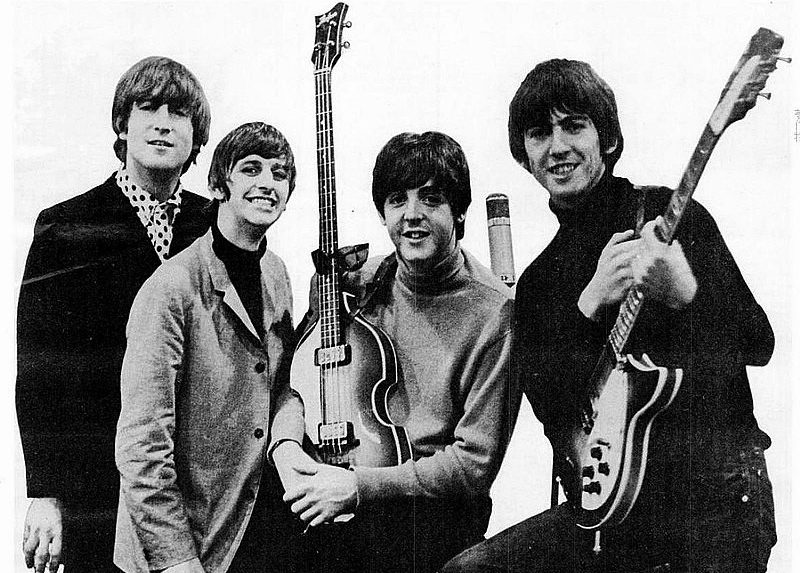
After Lennon’s passing, the recording remained just that: a fragment of something incomplete.
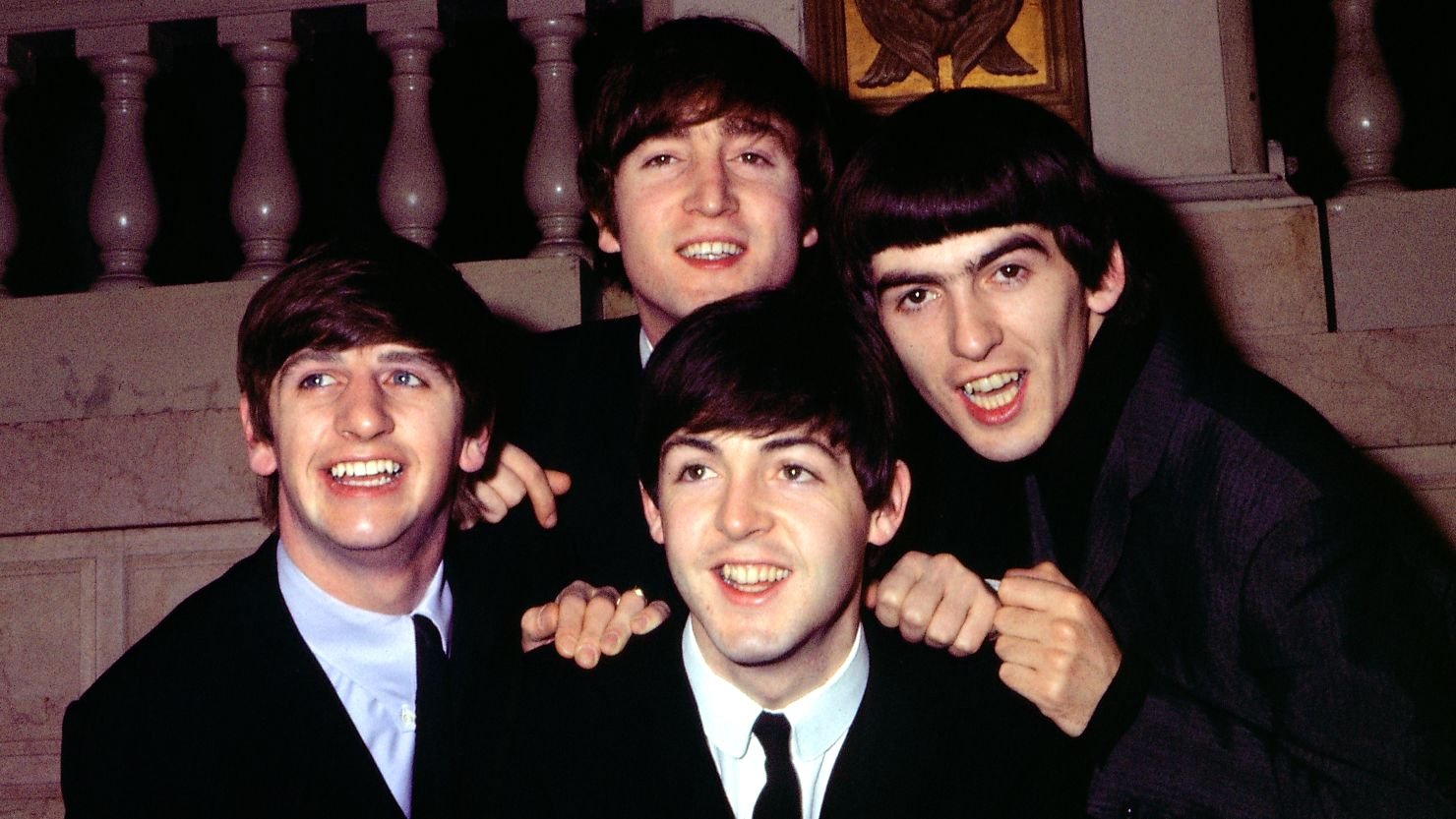
That changed when Paul McCartney, George Harrison, and Ringo Starr decided to return to it during the mid-1990s as part of The Beatles Anthology project. Unlike many posthumous productions, their goal wasn’t to modernize or reinvent the track.
Instead, they listened.
Working primarily at McCartney’s studio, the three surviving members approached “Real Love” with care. Lennon’s original vocal remained at the heart of everything. Rather than overpowering it, they built around it—adding instrumentation, harmonies, and subtle textures that allowed his presence to remain central.
The result wasn’t a reconstruction. It was a collaboration across time.
Those sessions were marked by a unique emotional atmosphere. There were moments of laughter and familiarity—the kind that only comes from years of shared history. But there was also an unspoken awareness that Lennon’s absence was deeply felt.
No one needed to say it aloud.
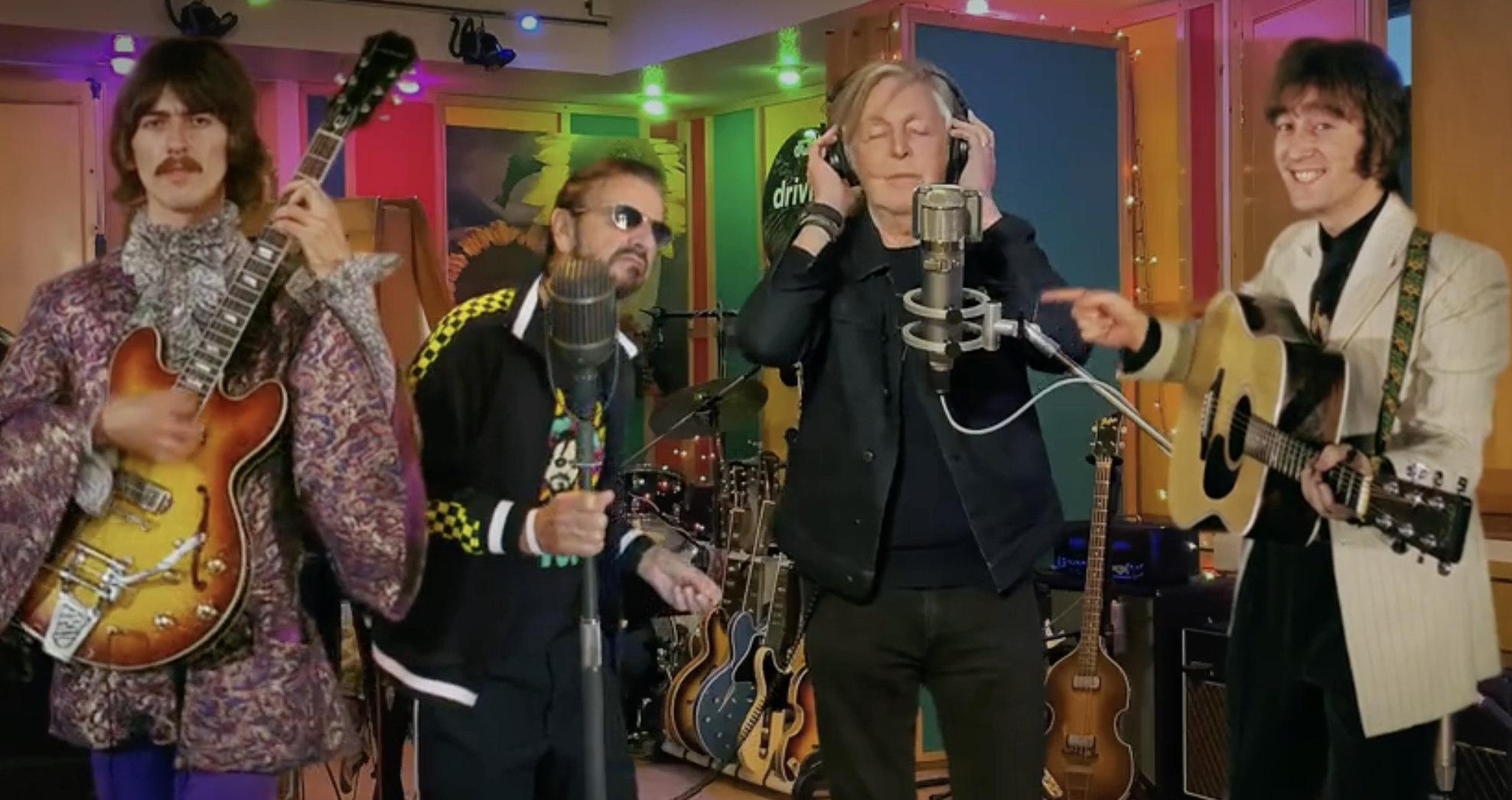
For Starr in particular, the experience carried a quiet weight. He later described how natural the process felt musically, yet emotionally complex. The act of playing alongside Lennon’s voice again stirred something deeper—something that couldn’t be easily explained.
And that complexity is woven into the song itself.
“Real Love” doesn’t sound like a farewell in the traditional sense. It doesn’t build toward a dramatic conclusion or try to summarize a legacy. Instead, it feels reflective—gentle, almost understated. The imperfections in Lennon’s original recording remain, giving the track a human quality that polished production could never replicate.
When listeners first heard it, many recognized that this was more than just another Beatles release. It was a rare and final moment of connection—a chance to hear the band, in some form, reunited.
Not perfectly. Not completely.
But meaningfully.
For McCartney, Harrison, and Starr, the song wasn’t about revisiting past glory. It was about acknowledging it—accepting both what had been achieved and what had been lost. There was no attempt to recreate the past, only to honor it.
In the years since its release, “Real Love” has taken on a lasting significance. It stands as the final chapter in the Beatles’ recorded story—the last time their voices, however separated by time, came together in a single piece of music.
Yet it doesn’t feel like an ending defined by absence.
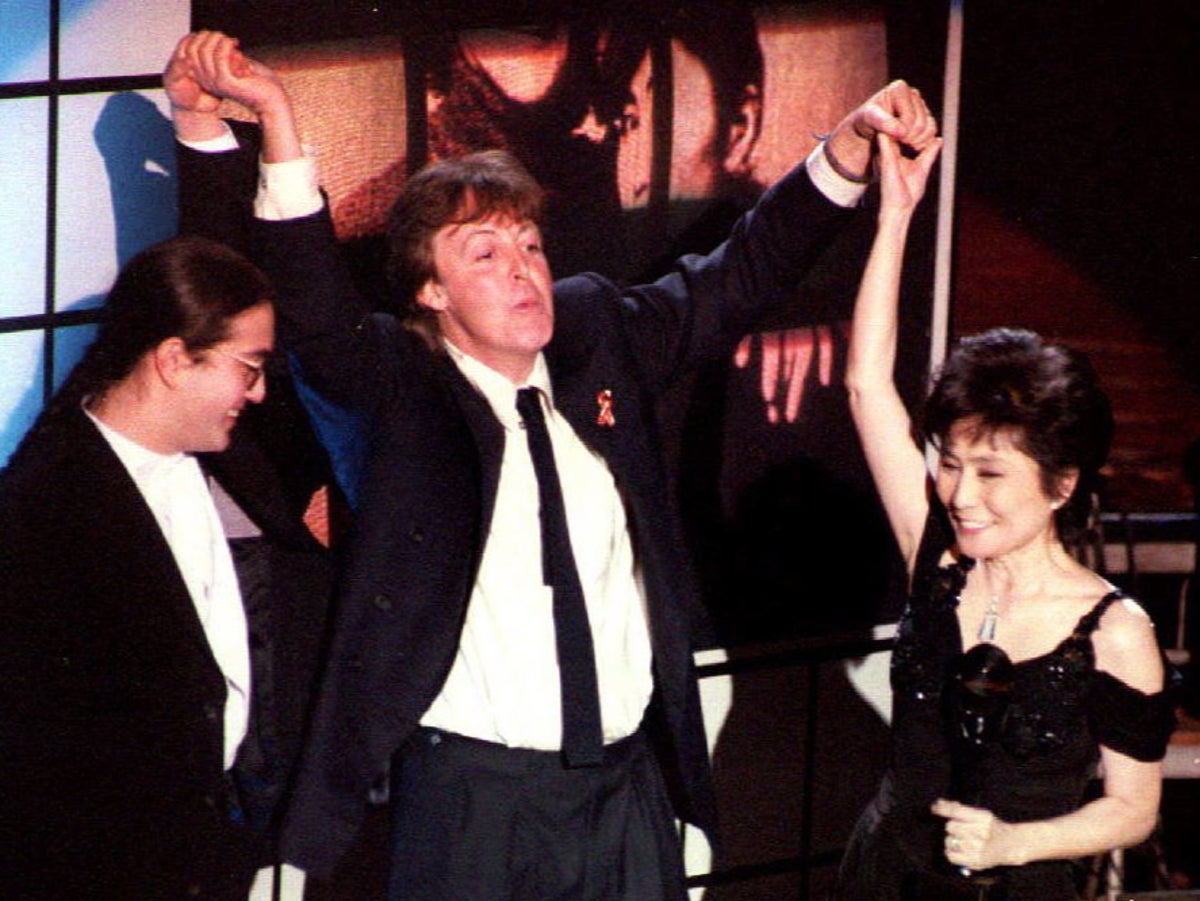
Instead, it feels like something preserved.
A voice rediscovered. A connection renewed. A reminder that even after everything had changed, the essence of what brought them together never truly disappeared.
In the end, “Real Love” isn’t just a song.
It’s a quiet, enduring echo of a bond that time couldn’t erase.