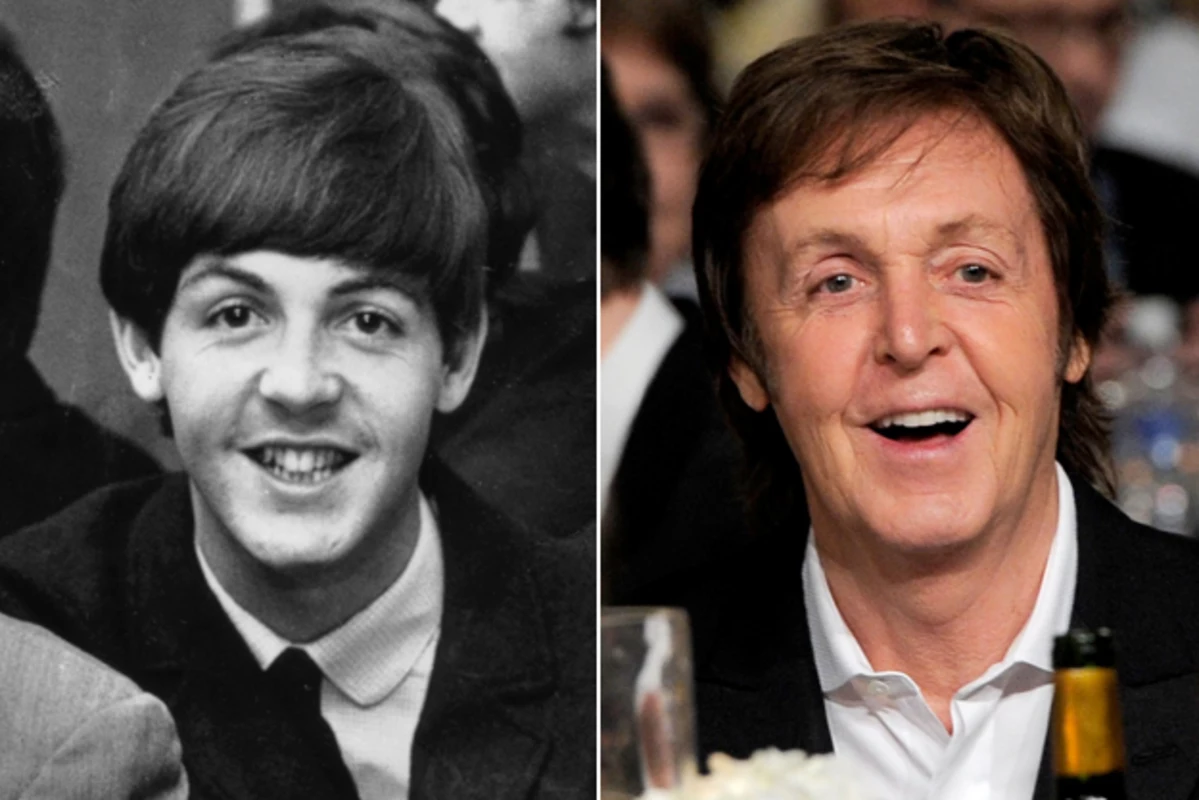
Few public figures inspire as much emotional connection as Paul McCartney. From his decades-defining work with The Beatles to his enduring solo career, his life and music have become part of personal histories across generations. So when a dramatic story involving him begins to circulate, it doesn’t take long for it to capture attention.
Recently, a highly emotional post has been spreading online, claiming that McCartney and his wife, Nancy Shevell, made a deeply personal announcement that left fans “in tears” and “in shock.” The wording is intense, filled with phrases designed to evoke urgency and emotion. But there’s a problem: it lacks specific, verifiable information.

No reputable outlets or official statements have confirmed such an event. There are no clear details about what was said, when it happened, or where it took place. Instead, the story relies on vague language and emotional cues—common signs of content designed more to attract clicks than to inform.
This kind of situation is increasingly common in today’s digital landscape. Stories about well-known figures can spread rapidly, especially when they tap into strong emotions like concern or sympathy. Fans, naturally invested in the lives of artists they admire, may share these posts quickly, hoping to stay informed or express support.
But without confirmation, these stories can create unnecessary confusion—or even distress.

It’s worth noting that McCartney has largely maintained a level of privacy around his personal life, especially when it comes to sensitive matters. When genuine news does emerge, it is typically communicated through official channels or reported by trusted media organizations. That hasn’t happened in this case.
The emotional pull of the original caption is understandable. It suggests vulnerability, courage, and a moment of shared humanity—elements that resonate deeply with audiences. However, without factual grounding, those elements risk becoming misleading rather than meaningful.
For fans, the best approach in moments like this is patience. Waiting for verified information may feel slower, but it ensures that reactions are based on truth rather than speculation. It also helps prevent the spread of misinformation, which can affect not only public perception but also the individuals involved.

At the same time, the widespread reaction highlights something genuine: the depth of connection people feel toward McCartney and his life. That connection, built over decades of music and shared experience, is real—even if the story prompting the reaction is not.
In the end, this moment serves as a reminder of the importance of careful attention in a fast-moving information environment. Not every headline reflects reality, and not every emotional story is grounded in fact.
Until confirmed details emerge, the story remains just that—a claim, not a certainty. And sometimes, knowing the difference is what matters most.