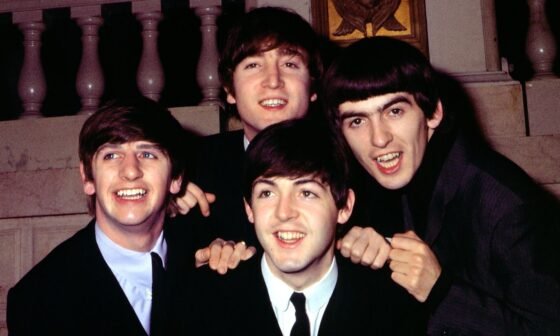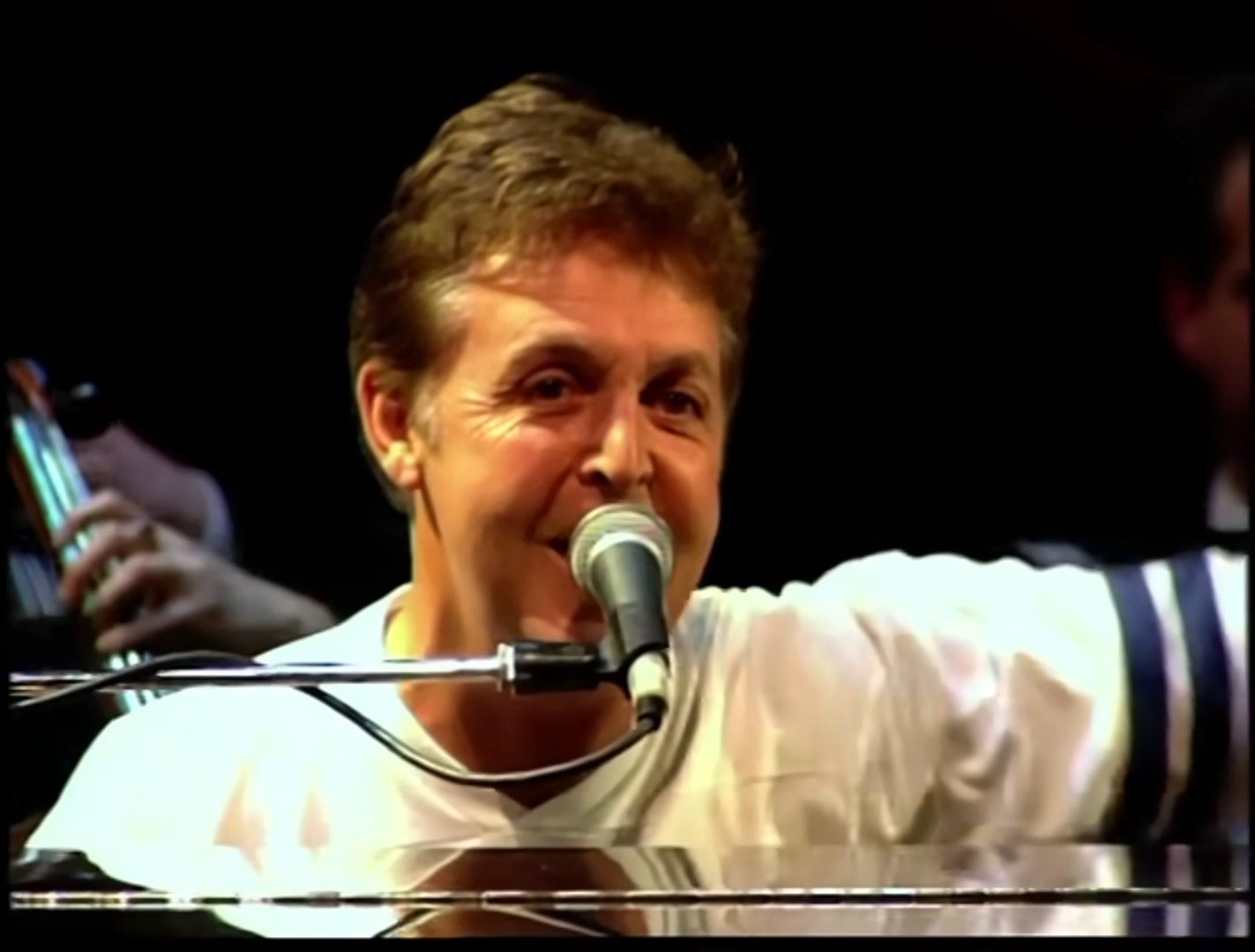
By the time Billy Preston walked into the studio, The Beatles were no longer the unified force that had once reshaped popular music. It was early 1969, during the tense recording sessions that would become Let It Be, and the cracks within the band were impossible to ignore. Arguments were frequent, patience was thin, and the joy that once defined their collaboration seemed to be slipping away.
Then Preston arrived—and something shifted.
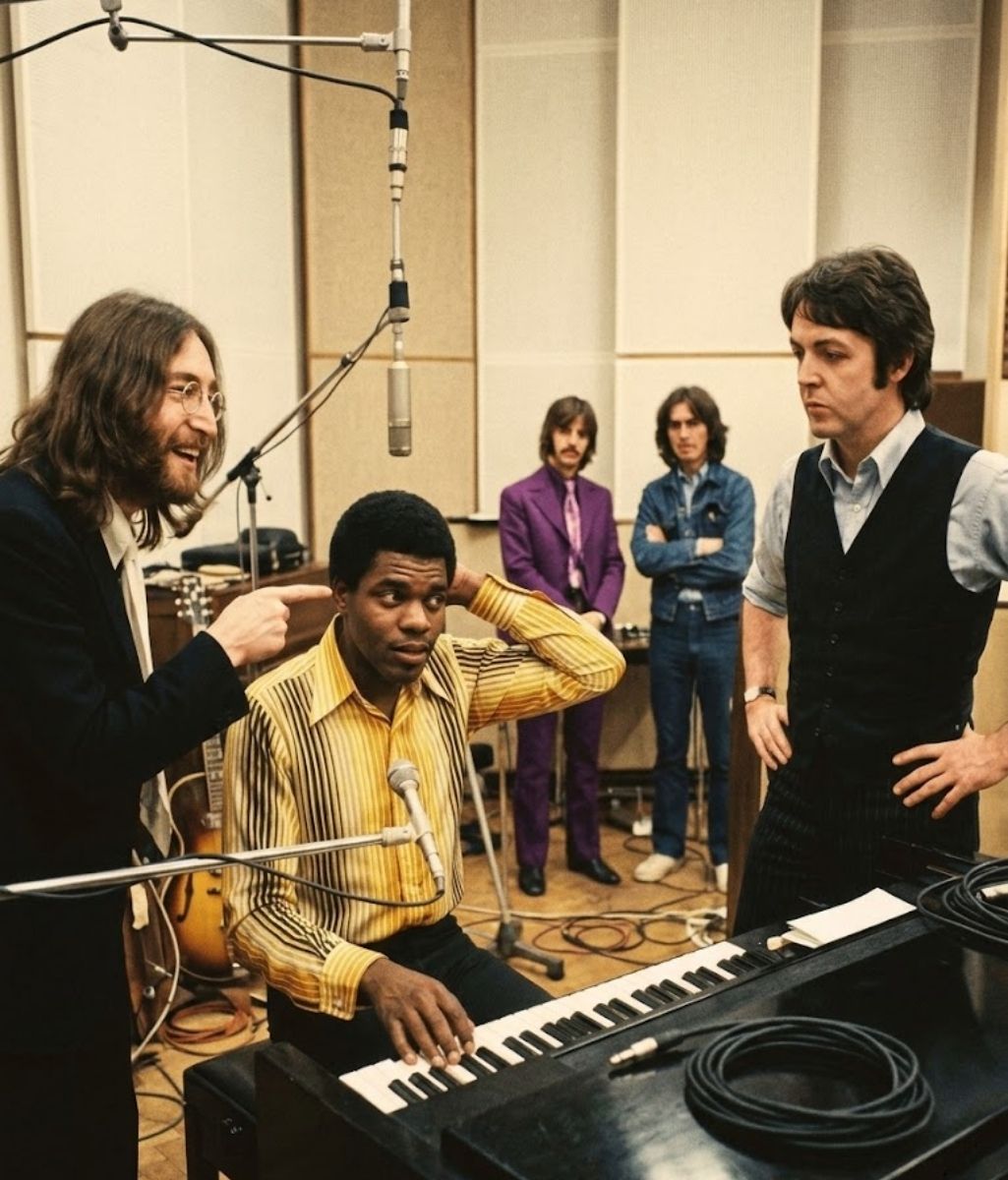
He wasn’t a stranger. Preston had crossed paths with the band years earlier, back when they were still cutting their teeth in Hamburg. But this time, his presence carried a different weight. Invited in almost casually, he sat down at the keyboard and began to play. What followed wasn’t just accompaniment—it was transformation.
Suddenly, the atmosphere softened. The tension that had filled the room loosened its grip. With Preston there, the others seemed to rediscover a sense of purpose. His playing—fluid, soulful, and deeply rooted in gospel and rhythm and blues—added a warmth the sessions had been missing. Tracks like “Get Back” came alive in a new way, driven not just by structure, but by feeling.

There’s a famous moment when John Lennon, half-joking yet half-serious, floated the idea of Preston as a “fifth Beatle.” It wasn’t an official proposal, but it spoke volumes. For a band notoriously protective of its identity, even suggesting an outsider as part of the inner circle was extraordinary. And yet, in that moment, it felt almost natural.
Preston’s influence went beyond his musicianship. His presence changed the dynamic between the four Beatles themselves. With someone else in the room—someone they respected—they behaved differently. There was less friction, more focus. It was as if Preston acted as both collaborator and buffer, easing tensions simply by being there.
So why didn’t it last?
The answer isn’t simple, but it lies in the reality of where The Beatles were at that point. The issues within the band ran deeper than any one person could fix. Creative differences, business disputes, and personal ambitions had already set them on diverging paths. Preston could bring light into the room, but he couldn’t rebuild what was already breaking apart.
There may also have been an unspoken understanding. The Beatles weren’t just a band—they were a phenomenon defined by a specific chemistry. Expanding that circle, even for someone as gifted as Preston, might have altered something essential. His role worked precisely because it was temporary, because it didn’t come with the weight of permanence.
And so, the door that seemed to open never fully did. Preston contributed to their music, left an undeniable mark, and then stepped back out. No formal title, no lasting membership—just a brief but powerful chapter.
Yet his impact endures. Listen to those recordings, and you can hear it—the lift in the sound, the subtle shift in energy. In a period often remembered for its discord, Billy Preston’s presence stands as a reminder of what The Beatles could still be when everything clicked, even if only for a moment.
He may never have officially become a Beatle, but for a short time, he helped them find their way back to the music. And sometimes, that’s more meaningful than any title could ever be.