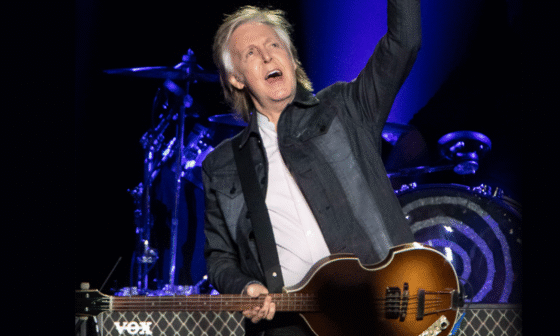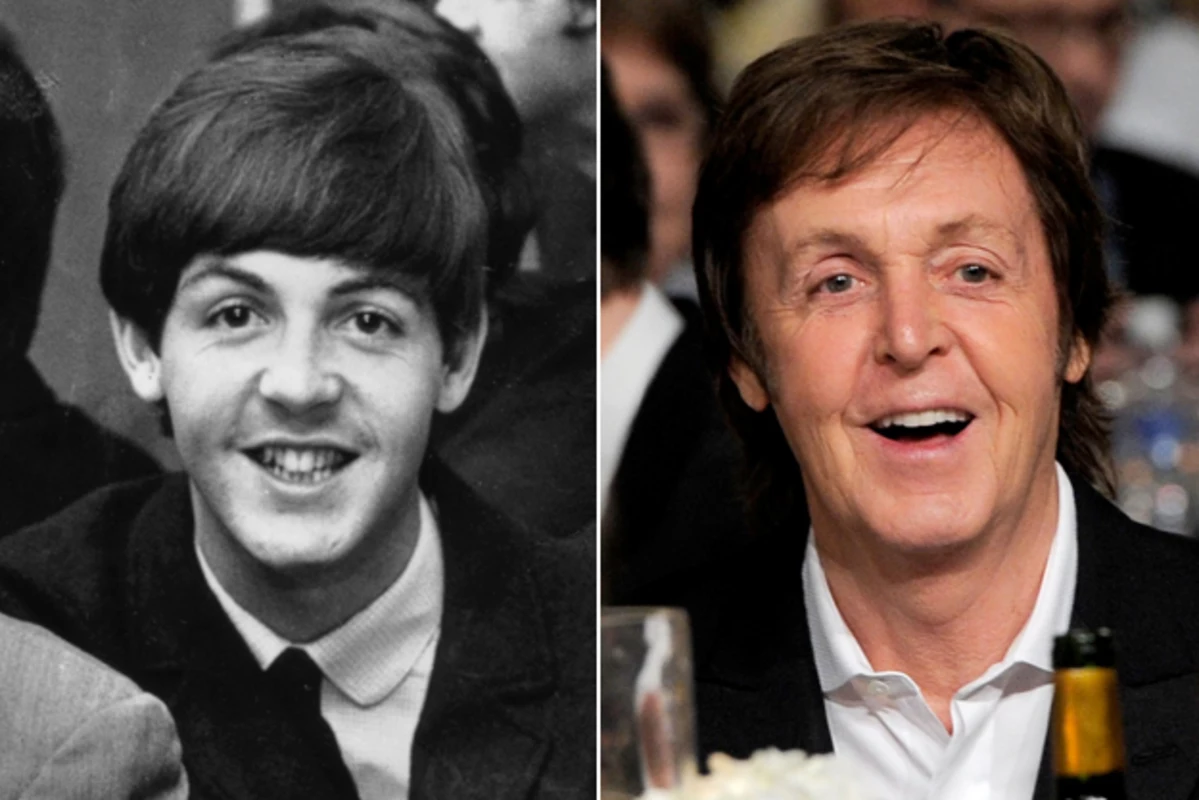
For millions of fans, the story of The Beatles seems to end in a blaze of legendary moments — roaring crowds, timeless songs, and cultural revolution. But according to Paul McCartney, the band’s final chapter was far more intimate, and far more emotional, than many realize.
Even now, decades after the breakup, McCartney has spoken candidly about how his last memories with John Lennon continue to affect him. Time may have softened the edges, but the feeling remains — a mix of nostalgia, loss, and quiet reflection.

Part of the confusion surrounding The Beatles’ ending comes from what fans often call their “last concert.” In reality, there were two very different farewells.
The first took place in 1966 at Candlestick Park in San Francisco. At the time, it didn’t feel like the end of something historic. There was no dramatic announcement, no emotional send-off. The band simply walked off stage after their set, unaware — or perhaps unwilling to admit — that it would be their final ticketed concert. The screaming crowds, which had once fueled their rise, had become overwhelming. Touring itself was no longer sustainable for the group.
Then, years later, came the moment that would quietly redefine their farewell.
In January 1969, The Beatles climbed to the rooftop of their Apple Corps headquarters in London. There were no tickets sold, no formal stage setup, and no grand promotion. It was spontaneous, almost rebellious. As cold air swept across the rooftop, the band began to play.
Below them, the city paused. Office workers leaned out of windows, pedestrians gathered in the streets, and confusion slowly turned into awe. For a brief moment, the chaos of their fame disappeared, replaced by something simpler — just four musicians playing together again.
That rooftop performance would become their final public appearance as a band.
For McCartney, that day holds a special kind of weight. It wasn’t just about the music; it was about what it represented. Despite growing tensions and creative differences, there was still a connection — a shared history that couldn’t be erased. In those songs, you could hear both the unity that made them legendary and the distance that was pulling them apart.
And then, of course, there were the personal goodbyes — the quiet, unrecorded moments between McCartney and Lennon. No audience witnessed those. No cameras captured them. Yet they remain some of the most powerful memories McCartney carries.

Looking back, he doesn’t just see the end of a band. He sees the closing of a chapter that changed music forever — and a friendship that shaped his life in ways he’s still coming to understand.
The Beatles didn’t end with a single moment. They faded out in fragments — a concert without a farewell, a rooftop without a crowd, and conversations that only two people ever truly knew.
And maybe that’s why it still resonates. Because in the end, it wasn’t just about how The Beatles said goodbye. It was about everything they couldn’t say at all.