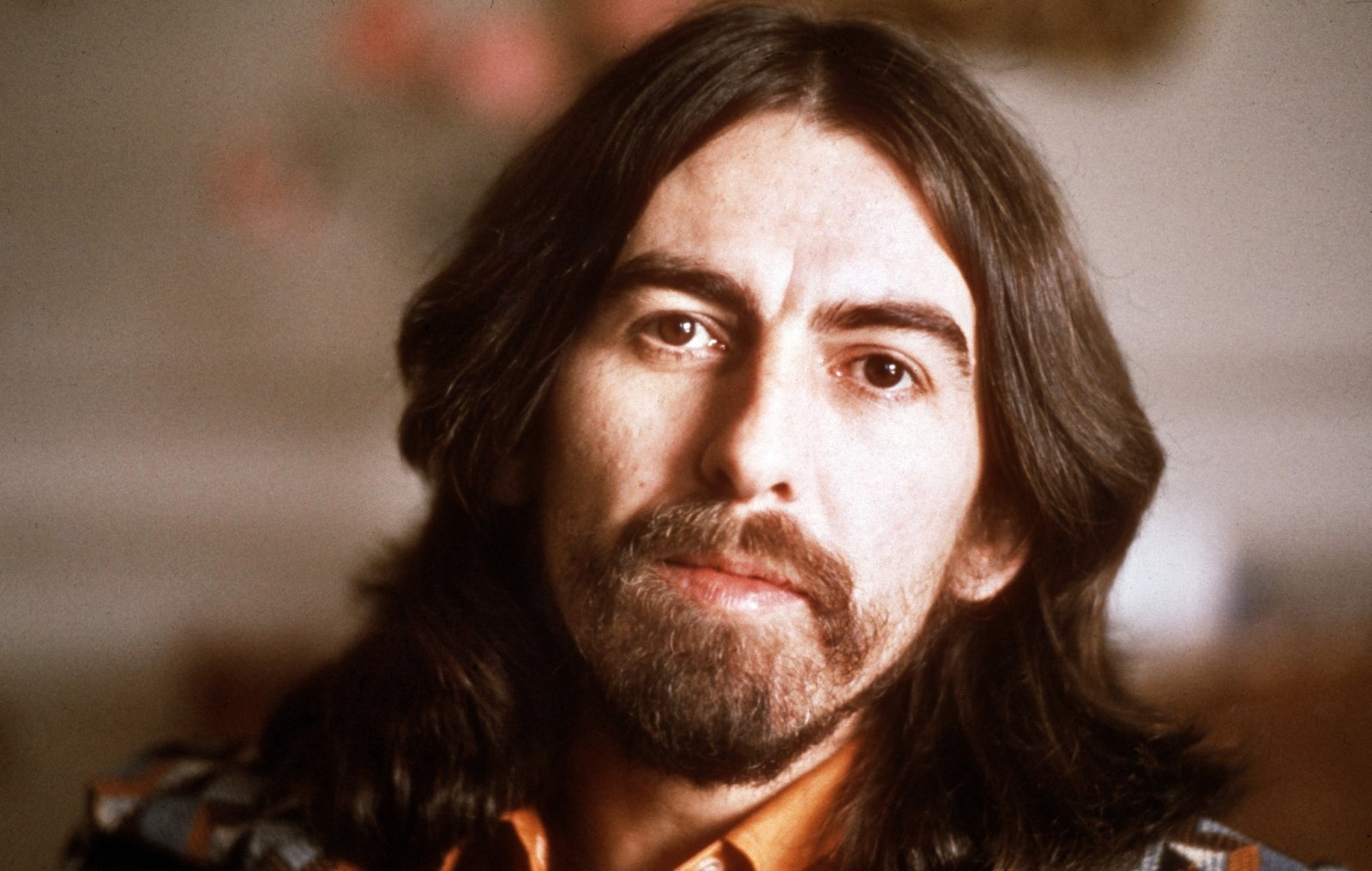
By late 2001, the world knew that George Harrison’s health was fading. The former Beatle had spent years battling cancer, enduring treatments while largely keeping his private struggles away from the spotlight. But in November of that year, inside a quiet Manhattan hotel room, George shared one final afternoon with two people who had known him longer than almost anyone else — Paul McCartney and Ringo Starr.
It was not a dramatic farewell filled with speeches about music history or reflections on worldwide fame. Instead, according to those closest to the moment, the gathering felt surprisingly intimate and ordinary. Three old friends sat together, talking the way they always had.
The conversation drifted backward through time, far away from sold-out stadiums and cultural revolutions. They laughed about Hamburg — the rough, exhausting years before Beatlemania transformed their lives forever. Back then, they were just young musicians trying to survive endless nightclub sets in Germany, sleeping little, playing harder, and learning how to become a band.

Hamburg had always held a special place in Beatles history. The city shaped them long before success arrived. It was where they sharpened their sound, tested their endurance, and built the bond that would carry them through the chaos of global fame. In that hotel room decades later, those memories seemed to matter more than anything else.
What struck Ringo Starr most was George’s spirit during those final hours. Cancer had weakened him badly, and he could no longer eat properly. Yet even then, George remained focused on everyone around him. Friends who knew him well often described him as thoughtful and quietly generous, and that side of him never disappeared.
While the others talked and shared food, George made sure his guests were comfortable. It was a small gesture, but one that stayed with Ringo long afterward. Even facing the end of his life, George still carried the instinct to care for the people around him.
The mood in the room reportedly shifted naturally between humor and silence. They laughed often. Not because they ignored the sadness hanging over the moment, but because laughter had always been part of their friendship. For people who had experienced unimaginable pressure together, humor became a language of survival.
Then came the goodbye.
As Ringo prepared to leave, he explained that his daughter was ill and he needed to travel to Boston to be with her. George, already extremely weak, reportedly looked at him and said words Ringo has never forgotten: “Do you want me to come with you?”

The sentence was simple, but for Ringo, it carried enormous weight. George could barely take care of himself at that point, yet his first instinct was still concern for a friend.
Years later, Ringo admitted that remembering those words still brings him to tears.

Only weeks after that meeting, George Harrison died at the age of 58. Tributes poured in across the world, celebrating his music, spirituality, humor, and influence on generations of artists. But for Paul and Ringo, the memories left behind were not only about the legend the world admired.
They were also about the friend who, in his final days, still laughed about Hamburg and still worried about everyone else before himself.