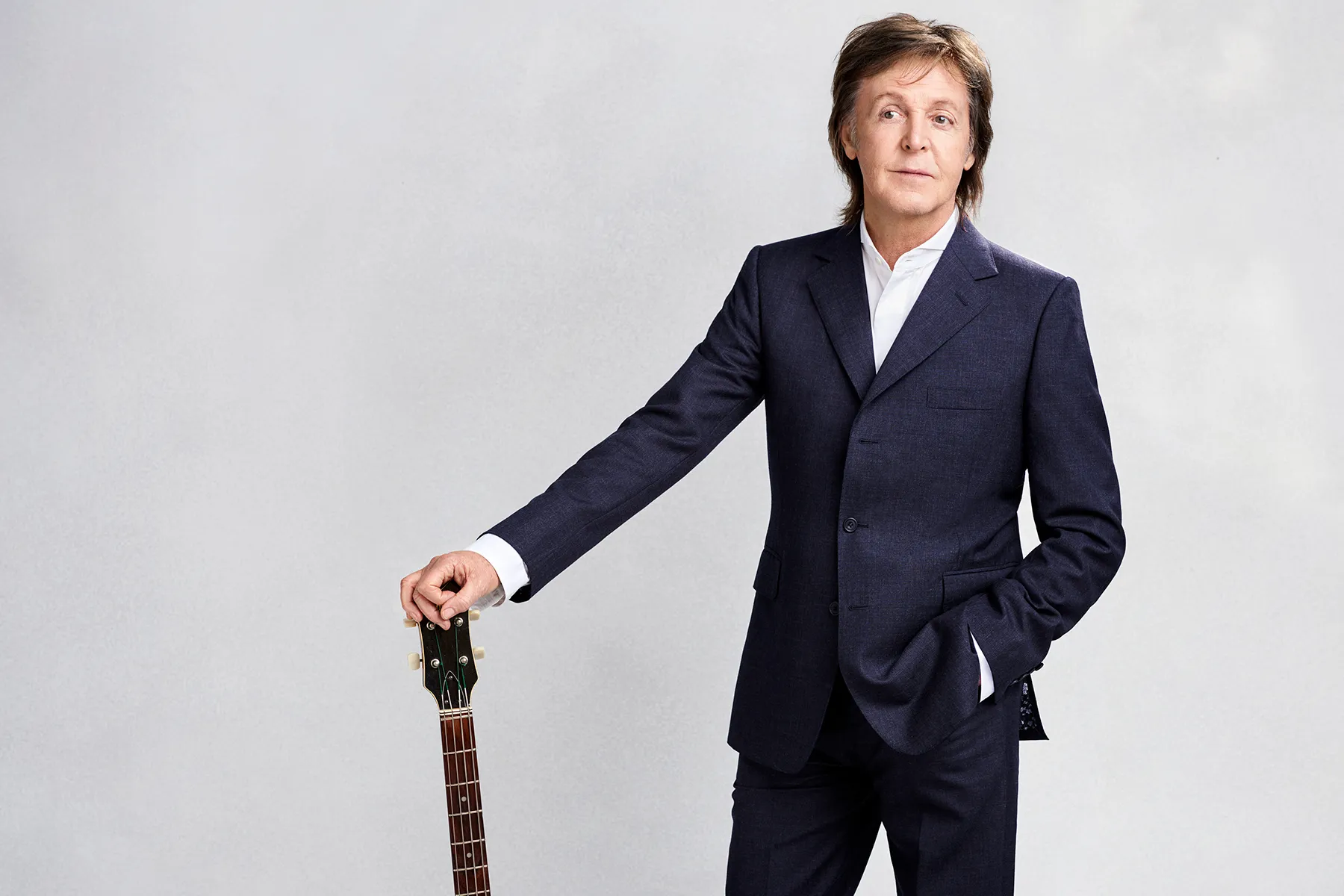
When Paul McCartney and Ringo Starr share a story, fans tend to listen closely. As two surviving members of The Beatles, their creative connection is part of music history—and any glimpse into what might have been carries a certain weight.
Recently, the two musicians reflected on a moment that, in hindsight, feels surprisingly ordinary: a simple misunderstanding that prevented a song from ever taking shape.
According to their account, the idea for a collaboration had been there. One of them had a track in mind—something worth sharing, something that could have brought them together musically once again. The plan seemed straightforward: send the song, take a listen, see where it goes.
But somewhere along the way, that process broke down.
“I said: send me that song… but he never did.”
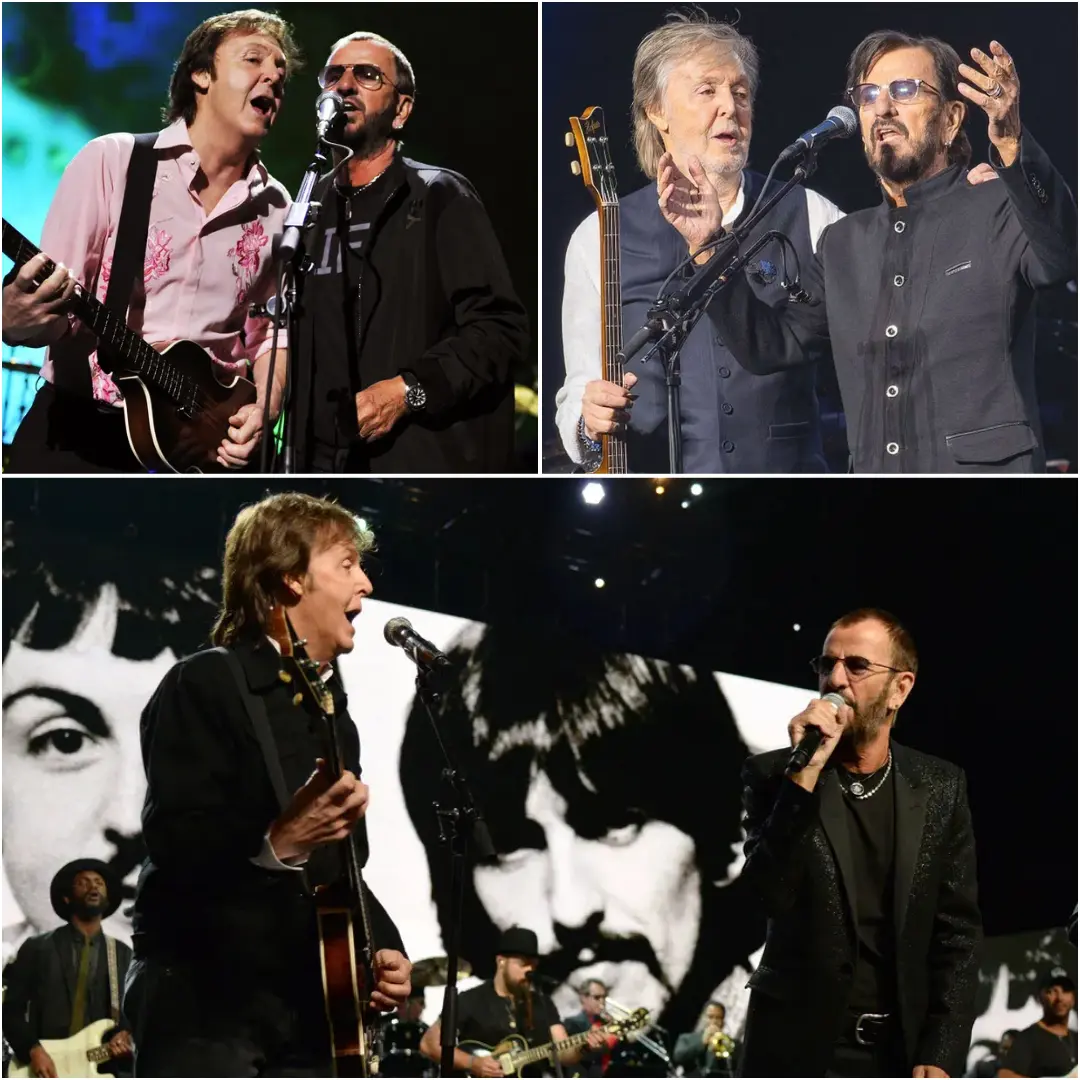
It’s the kind of situation almost anyone can relate to—a message that doesn’t get through, a follow-up that never happens, timing that slips just enough to let an opportunity fade. Yet in this case, the stakes felt different. This wasn’t just any collaboration. It was a chance, however small, to add another chapter to a partnership that helped define an era.
What makes the story compelling isn’t just the missed opportunity—it’s how human it feels. For all the history, influence, and global recognition surrounding McCartney and Starr, the reason behind the lost moment wasn’t dramatic or complex. It was simple.
And perhaps that’s why it resonates.
Over the years, the idea of the two reuniting in a more formal or sustained way has always carried a sense of anticipation. Every shared stage appearance, every hint of collaboration, becomes an event. Fans don’t just hear the music—they hear the legacy behind it.
This particular story adds a different perspective. It suggests that not every near-collaboration fades because of creative differences or deliberate choices. Sometimes, it’s timing. Sometimes, it’s communication. Sometimes, it’s just life moving on before a moment can fully take shape.

Still, the fact that the story is being shared now is meaningful in itself. It reflects a willingness to look back, to acknowledge the “what ifs” without regret, and perhaps even to find a bit of humor in them. After all, both artists have continued to create, perform, and connect with audiences in their own ways.
For fans, the idea of a “lost” song inevitably sparks curiosity. What did it sound like? How might it have evolved? Would it have felt like a continuation of the past, or something entirely new? Those questions remain unanswered—but they’re part of what keeps the story alive.
At the same time, the missed moment doesn’t diminish what already exists. The body of work created by McCartney and Starr, both together and separately, remains vast and influential. One song—no matter how promising—would have added to that legacy, not defined it.
And yet, there’s something undeniably fascinating about the idea that even in the world of legendary musicians, history can hinge on something as small as a message that never arrived.

In the end, the story isn’t just about a song that didn’t happen. It’s about the fragile nature of timing, the unpredictability of collaboration, and the reminder that even the biggest moments sometimes depend on the simplest things.