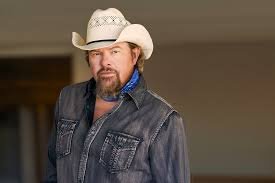
When news broke that Toby Keith had passed away on February 5, 2024, the reaction was immediate and deeply felt—especially in his home state of Oklahoma.
Keith had quietly battled stomach cancer, keeping much of his struggle out of the public eye. For fans, the loss was significant. But in Oklahoma, it was something more personal. It was the loss of someone who had never truly left, no matter how far his music carried him.
The following morning, Kevin Stitt made a decision that reflected that sentiment. He ordered all American and Oklahoma flags on state property to be lowered to half-staff—a gesture rarely extended to musicians. Traditionally, such honors are reserved for presidents, military leaders, or figures of national political significance.
The message was clear: Toby Keith was more than a performer to the people of Oklahoma.
But the story didn’t end there.
Just hours after the flags were lowered, another announcement emerged—one that added a bittersweet note to an already emotional moment. The Country Music Hall of Fame confirmed that Keith had been selected as a 2024 inductee. The final vote had taken place only three days before his passing.
He never knew.

That detail resonated deeply with fans and fellow artists alike. It represented recognition at the highest level of country music—something earned over decades of work, influence, and connection with audiences. And yet, it arrived just too late to be shared with him.
Back in Moore, where Keith was born and raised, reminders of his presence remain part of everyday life. His name still stands on the town’s water tower, a simple but powerful symbol of the bond between the artist and his community.
Despite global success, Keith often spoke about Moore as the place he always returned to. “It’s home,” he said—a sentiment that now carries even more weight. It wasn’t just where he came from; it was where his identity stayed rooted, even as his career expanded far beyond it.
The combination of these events—the lowered flags and the Hall of Fame announcement—created a moment that felt both honoring and unfinished. A public recognition paired with a private absence.
For many, it highlighted the dual nature of legacy. There is the legacy measured in awards, accolades, and career milestones. And then there is the legacy measured in connection—the way a person becomes part of a place, a community, and the lives of those who remember them.
In Toby Keith’s case, both were undeniable.
The flags were lowered for a musician, but also for a figure who represented pride, identity, and home. The Hall of Fame induction confirmed his place in the history of country music, even if he never heard the words himself.
And perhaps that is what makes this moment so lasting.
Not just what was given—but what was felt.