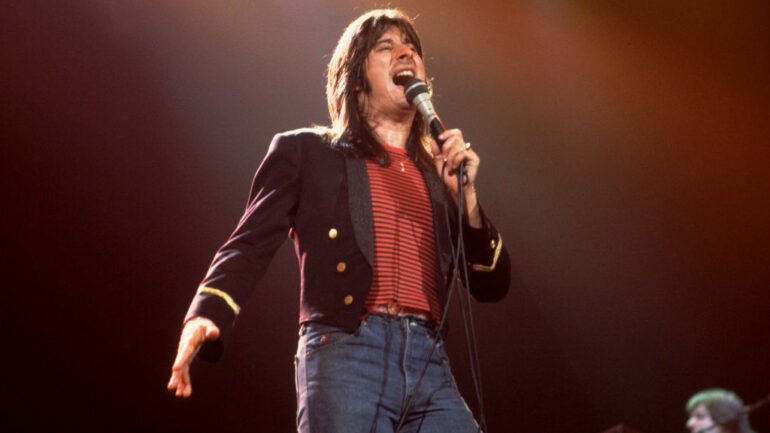
Steve Perry — the iconic, platinum-voiced singer behind some of rock’s most timeless anthems — remains one of music’s most enigmatic figures. As the frontman of Journey, Perry gave voice to hits like “Don’t Stop Believin’,” “Open Arms,” and “Separate Ways,” defining an era of arena rock. Yet, despite the fame, the glory, and the superstardom, Perry walked away from the band not once — but twice. In recent interviews, the rock legend hasn’t held back. Here’s the full story, with every little detail, of why he left.
By the mid-1980s, Journey’s gigantic success was showing its toll on Perry. After the whirlwind of endlessly touring, recording, and promoting hit after hit, he confessed that he’d simply lost his connection with music. “I was like a wrung-out sponge — there was no juice left in me,” he said in one interview. He couldn’t even bear to listen to music without reliving feelings of exhaustion and lack of control.
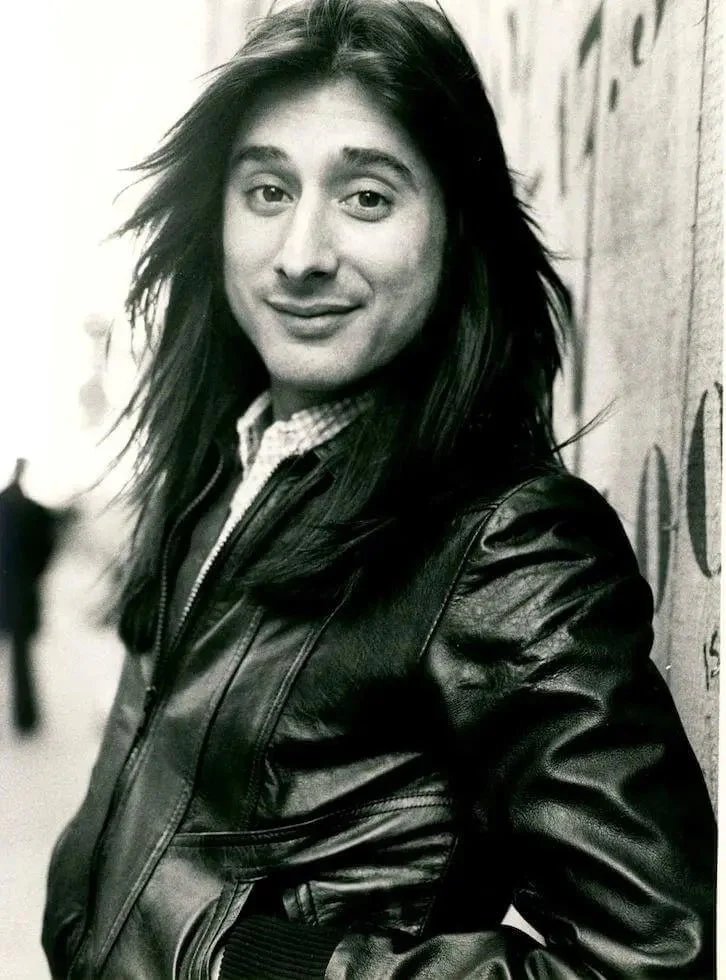
He shared how the music that once saved and defined his life now felt like a cage. The demand for constant touring and intense performance left his heart devoid of that burning passion. In time, he realized something profound: it wasn’t sustainable to keep going if music no longer fulfilled him.
In February 1987, at the height of the band’s fame, Perry left Journey. Behind that decision were more reasons than fatigue alone. Creative control battles had simmered for years. During the recording of Raised on Radio, Perry fired founding bassist Ross Valory and drummer Steve Smith over disagreements — a move that created internal tension.
In addition, Perry was dealing with intense emotional stress. His mother became ill and passed away during the album’s sessions, and personal losses multiplied. With the pressure mounting and the spark fading, Perry decided it was time to step back and focus on his own happiness.
Perry retreated to his hometown of Hanford, California, seeking refuge from the spotlight. He parked his Harley-Davidson, repeated simple routines — like attending local fairs or watching baseball games — and started relearning how to live without music at the center. He stopped singing entirely for a time.
During this period, he met psychologist Kellie Nash, whom he’d seen in a made-for-TV movie years before. Their bond quickly deepened, but it came with heartbreak: Nash was battling late-stage breast cancer. Perry devoted his life to supporting her through treatment, ultimately losing her in 2012. She profoundly shaped his perspective on music, love, and life.
The legend returned to Journey in 1995 to record Trial by Fire, and the album soared into the Billboard Top 20. However, a hiking accident left Perry with a serious hip injury, putting the band’s reunion tour on ice. He deferred surgery while they waited almost two years — only for his bandmates to signal they were auditioning replacements. Perry felt betrayed: “I said, ‘Do what you need to do, but don’t call it Journey.’” That was it. His breakup with Journey was final.
In the years that followed, Perry embraced a quiet, humble life. Without his band’s schedule or the weight of fame, he traveled, biked, read — and sometimes soundtracked his days with classic 45s that brought him comfort. He admitted to gaining weight and even adopting a simpler appearance, deliberately stepping back from the larger-than-life persona that rock had given him. He wanted to rediscover himself.
Following Nash’s death, Perry felt his love for music reawakening, inspired by a promise he made to her. In 2018, he released his first solo album in decades — Traces — branding it “thirty years in ten songs.” For Perry, writing without expectations and without a band felt liberating. He reclaimed his creativity on his own terms.
Yet even now, he’s made it clear: he loves moving forward and pushing into new creative territories. The door for a reunion with Journey is very much closed. “I left the band thirty-one years ago,” he once said. “You can still love someone but not want to work with them.”