Why Steve Perry Really Left Journey: The Untold Story Behind His Departure

Steve Perry

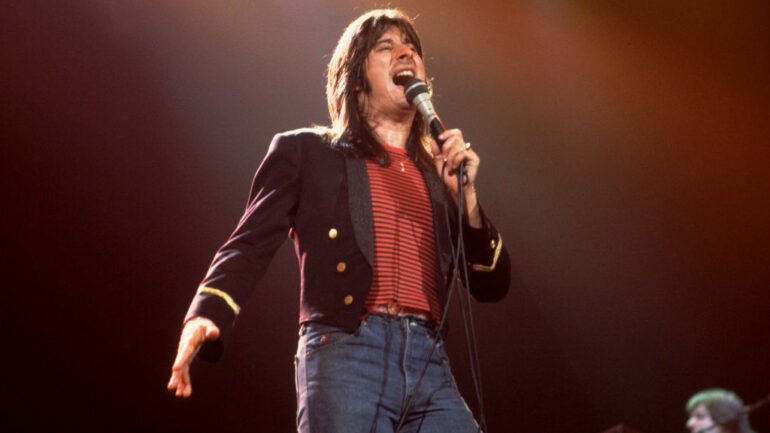
Steve Perry — the iconic, platinum-voiced singer behind some of rock’s most timeless anthems — remains one of music’s most enigmatic figures. As the frontman of Journey, Perry gave voice to hits like “Don’t Stop Believin’,” “Open Arms,” and “Separate Ways,” defining an era of arena rock. Yet, despite the fame, the glory, and the superstardom, Perry walked away from the band not once — but twice. In recent interviews, the rock legend hasn’t held back. Here’s the full story, with every little detail, of why he left.

By the mid-1980s, Journey’s gigantic success was showing its toll on Perry. After the whirlwind of endlessly touring, recording, and promoting hit after hit, he confessed that he’d simply lost his connection with music. “I was like a wrung-out sponge — there was no juice left in me,” he said in one interview. He couldn’t even bear to listen to music without reliving feelings of exhaustion and lack of control.
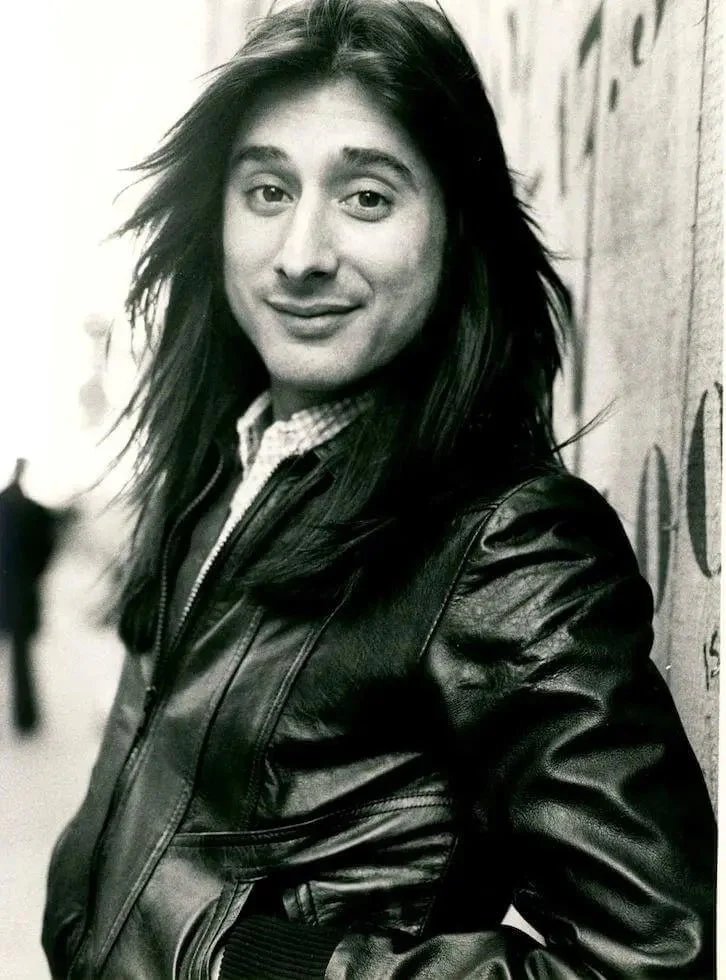
He shared how the music that once saved and defined his life now felt like a cage. The demand for constant touring and intense performance left his heart devoid of that burning passion. In time, he realized something profound: it wasn’t sustainable to keep going if music no longer fulfilled him.

In February 1987, at the height of the band’s fame, Perry left Journey. Behind that decision were more reasons than fatigue alone. Creative control battles had simmered for years. During the recording of Raised on Radio, Perry fired founding bassist Ross Valory and drummer Steve Smith over disagreements — a move that created internal tension.


In addition, Perry was dealing with intense emotional stress. His mother became ill and passed away during the album’s sessions, and personal losses multiplied. With the pressure mounting and the spark fading, Perry decided it was time to step back and focus on his own happiness.

Perry retreated to his hometown of Hanford, California, seeking refuge from the spotlight. He parked his Harley-Davidson, repeated simple routines — like attending local fairs or watching baseball games — and started relearning how to live without music at the center. He stopped singing entirely for a time.

During this period, he met psychologist Kellie Nash, whom he’d seen in a made-for-TV movie years before. Their bond quickly deepened, but it came with heartbreak: Nash was battling late-stage breast cancer. Perry devoted his life to supporting her through treatment, ultimately losing her in 2012. She profoundly shaped his perspective on music, love, and life.

The legend returned to Journey in 1995 to record Trial by Fire, and the album soared into the Billboard Top 20. However, a hiking accident left Perry with a serious hip injury, putting the band’s reunion tour on ice. He deferred surgery while they waited almost two years — only for his bandmates to signal they were auditioning replacements. Perry felt betrayed: “I said, ‘Do what you need to do, but don’t call it Journey.’” That was it. His breakup with Journey was final.


In the years that followed, Perry embraced a quiet, humble life. Without his band’s schedule or the weight of fame, he traveled, biked, read — and sometimes soundtracked his days with classic 45s that brought him comfort. He admitted to gaining weight and even adopting a simpler appearance, deliberately stepping back from the larger-than-life persona that rock had given him. He wanted to rediscover himself.

Following Nash’s death, Perry felt his love for music reawakening, inspired by a promise he made to her. In 2018, he released his first solo album in decades — Traces — branding it “thirty years in ten songs.” For Perry, writing without expectations and without a band felt liberating. He reclaimed his creativity on his own terms.

Yet even now, he’s made it clear: he loves moving forward and pushing into new creative territories. The door for a reunion with Journey is very much closed. “I left the band thirty-one years ago,” he once said. “You can still love someone but not want to work with them.”

0 Shares:
Leave a Reply

Your email address will not be published. Required fields are marked *

You May Also Like
Cyndi Lauper and Annie Lennox
Read More

Cyndi Lauper and Annie Lennox lit up the Gershwin Prize stage with a fierce, joyful take on “Big Yellow Taxi” joni mitchell Music legends Cyndi Lauper, Annie Lennox, Angélique Kidjo, and Brandi Carlile came together for a memorable rendition of Joni Mitchell’s “Big Yellow Taxi,” delivering a vibrant, joy-filled performance that radiated energy and admiration. With Mitchell herself watching from the audience, the atmosphere was nothing short of electric. The most touching moment came when Carlile stepped offstage, mic in hand, and invited Mitchell to sing the final line—prompting an eruption of emotion from the crowd. Annie Lennox opened the number with a powerful, soulful take on the first verse, setting a heartfelt tone. The seven-woman ensemble then harmonized on the chorus, before Lauper injected her signature flair into the sassy second verse. Carlile followed with a gentle, melodic stanza, paving the way for Kidjo to bring the house down with an explosive solo that clearly delighted Mitchell—her glowing smile said it all. Subscribe to Kark Post! Get updates on the latest posts and more from Kark Post straight to your inbox. Website Your Email… Subscribe We use your personal data for interest-based advertising, as outlined in our Privacy Notice. This celebration took place during the Library of Congress Gershwin Prize for Popular Song ceremony on March 1, 2023, at Constitution Hall in Washington, D.C., where Mitchell was honored for her groundbreaking contributions to music. The standout performance quickly became the highlight of the evening online, amassing over 1.4 million views and securing its spot as the most-watched clip from the tribute. At 79, Mitchell also took to the stage herself, enchanting the audience with a moving performance of her classic song “Blue.” As she sang the first line with stunning grace, the audience erupted in cheers, visibly moving the iconic artist, who beamed with joy in response. The entire event had an unmistakable magic to it—a gathering of remarkable women celebrating one of their own. Fans were especially moved by the “Big Yellow Taxi” performance, flooding the internet with praise. Comments like “Joni finishing the song was everything!” and “A beautiful celebration of a legend and powerhouse women artists” captured the collective sentiment. Directed by Sandra Restrepo, the ceremony was recorded and released for fans worldwide to enjoy. Highlights from the show can be found on YouTube, while the full concert is available on streaming platforms. For those wanting to explore more of Mitchell’s legacy, her YouTube channel and Instagram are great places to start. Subscribe to Kark Post! Get updates on the latest posts and more from Kark Post straight to your inbox. Website Your Email… Subscribe We use your personal data for interest-based advertising, as outlined in our Privacy Notice.

Music legends Cyndi Lauper, Annie Lennox, Angélique Kidjo, and Brandi Carlile came together for a memorable rendition of…
bruce springsteen
Read More

“Right now we are living through incredibly critical times…” Bruce Springsteen made a surprise appearance at a benefit show in New Jersey and dedicated “The Promised Land” to Renee Nicole Good. No big production, no long speech—just a few measured words, then he let the song carry the feeling. There’s a quiet pause before the music starts, and you can sense the room settle into silence. When “The Promised Land” comes in, it sounds both familiar and newly heavy—like a reminder of hope and endurance. People filmed the moment on their phones, and the clips spread quickly because the sincerity is impossible to miss. It’s classic Springsteen: using music to say the hardest things without making it feel performative. A brief tribute, but one that leaves a long echo—quiet, warm, and deeply human.

Bruce Springsteen dedicates “The Promised Land” to Renee Good at a New Jersey benefit show During a surprise…
Read More

AS 2026 DAWNED, ALAN JACKSON SANG — AND COUNTRY MUSIC HELD ITS BREATH The lights rose slowly, almost cautiously, as the calendar turned and a new year quietly arrived. Then Alan Jackson stepped into view — no rush, no spectacle, just a man and a lifetime of songs behind him. His voice wasn’t loud. It didn’t need to be. It carried weight. The kind that settles into a room and makes people stop moving. You could hear gratitude in every line — gratitude earned by long highways, late nights, and miles that mattered. No one cheered right away. They listened. Some held their breath. Others wiped at their eyes, caught off guard by how personal it felt. The melody moved gently, almost reverently, as if the moment itself knew to be careful. A woman near the front whispered through tears, “That feels like a prayer.” Backstage, a fellow musician was overheard saying, “That’s not a performance — that’s a man taking stock of a life.” When the final note faded, the silence lingered. Not awkward. Sacred. Only then did the applause rise — slow, steady, grateful. Online, fans struggled to name what they’d just witnessed. “It felt like a blessing for the new year,” one post read. Another went viral within minutes: “I don’t know if that was hello, goodbye, or thank you — but it broke me.” As 2026 officially began, there were no fireworks needed. For one suspended moment, country music stood still — honoring the road behind, uncertain of the road ahead, and grateful for every mile in between.

Alan Jackson stepped into the light as 2026 began, and something in the room changed. His voice wasn’t…