Some performances celebrate a music legend, while others make an audience feel as though that artist is still right there in the room. Zac Brown’s rendition of “Butterfly” during the CMA special honoring Dolly Parton did something especially moving: it brought his voice together with Parton’s recorded vocals, turning a tribute into a musical moment that connected their friendship, her legacy, and a song they shared.
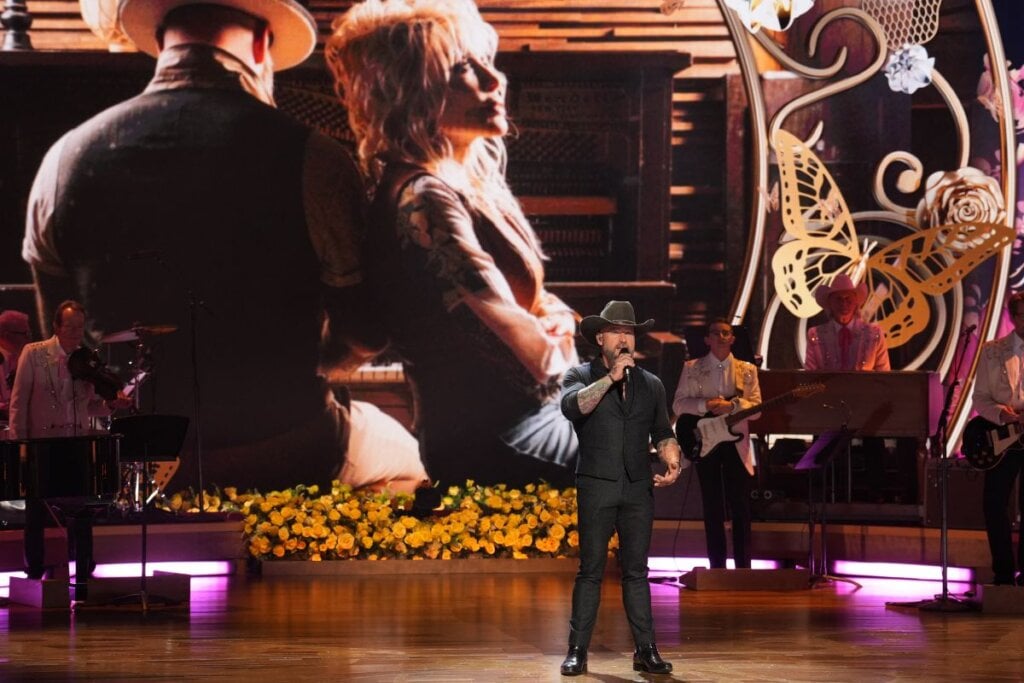
During CMA Presents I Will Always Love You: A Celebration of Dolly Parton on October 21, Brown performed the song against a stage filled with flowers and butterflies. The arrangement gave the performance an intimate atmosphere, but the presence of Parton’s own voice was what made the moment particularly poignant. Rather than simply singing a song associated with the country icon, Brown was able to share the musical space with the woman who had helped make the recording so meaningful.
The performance carried an added emotional weight following the reported news of Parton’s passing on August 25. For those watching, hearing her voice alongside Brown’s offered a reminder that an artist’s connection with an audience does not necessarily end when that artist is no longer there to perform. Recordings preserve more than melodies; they can hold memories, personality, and the unmistakable qualities that made a singer special in the first place.
There was also a personal story behind the song. Brown and Zac Brown Band released “Butterfly” in September 2025 as part of the album “Love & Fear.” Brown originally wrote it for his children, hoping to offer them encouragement and remind them to approach life with hope and strength. Its meaning expanded when Parton joined him on the recording, connecting a song born from his feelings as a father with the voice of one of country music’s most recognizable performers.
Brown later recalled just how enthusiastically Parton responded when she first heard the song. During an appearance on The Bobby Bones Show, he shared that she had left him a voicemail that he has held on to ever since. Her message was full of excitement, with Parton telling him, “We got ourselves a number one song here. You know, don’t give that song to anybody else.”
That reaction offers a glimpse into the affection and enthusiasm behind their collaboration. Parton was not simply lending her voice to another artist’s recording; she was embracing a song that had begun as a father’s message to his children. Her response also reflected the instinct that had helped her build such an enduring career: the ability to recognize an emotional connection in a song and communicate that excitement to the people around her.
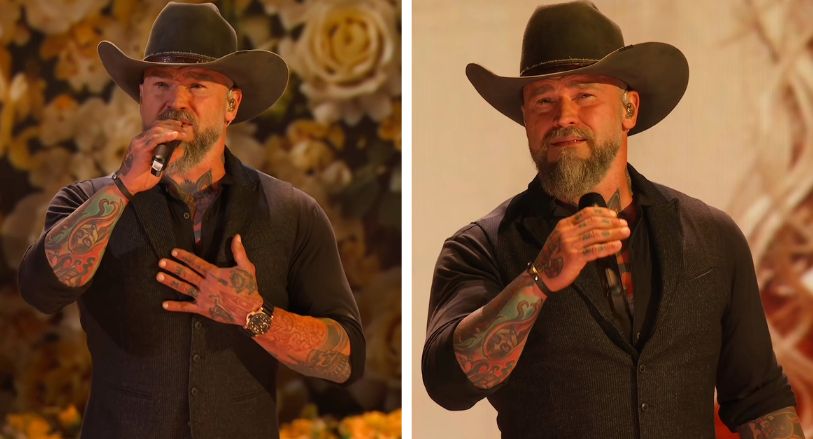
For Brown, that memory made performing “Butterfly” at the celebration more than an opportunity to revisit a successful collaboration. It was a chance to honor someone he remembered not only as a musical icon but also as a friend. He has described Parton as “a real life angel,” recalling her faith, kindness, generosity, and willingness to encourage people to accept one another.
Those qualities help explain why the tribute resonated beyond the song itself. Parton’s career was built on memorable recordings and extraordinary performances, but her influence also extended through her relationships with fellow musicians and her efforts to help others. Brown’s recollections focused on the person behind the famous voice, giving viewers a more intimate way to understand what their collaboration meant to him.
The performance also followed an earlier tribute from Brown. On August 25, he honored Parton during a Zac Brown Band concert at Forest Hills Stadium in New York, declaring, “There will never be another Dolly Parton.” The statement captured a feeling shared by many admirers: there may be countless talented singers, but the combination of Parton’s distinctive voice, songwriting, humor, and personality is impossible to reproduce.
The CMA celebration brought together several other major names in country music, including Carrie Underwood, Lainey Wilson, Ella Langley, and Vince Gill. Each artist had an opportunity to celebrate a different part of Parton’s musical legacy, underscoring the breadth of her influence across generations of performers. The event also supported a cause closely associated with her work, with proceeds benefiting Dolly Parton’s Imagination Library and its mission to help children discover the joy of reading.
Within that wider celebration, Brown’s performance stood out for its personal connection. The recorded vocals created the feeling of a musical exchange rather than a conventional cover, allowing listeners to hear the collaboration again in a setting shaped by remembrance. The butterflies and flowers surrounding him added visual symbolism, but the emotional center remained the song and the voices.
Viewers responded warmly to the performance, with comments highlighting how moving it was to hear Parton’s vocals blend with Brown’s. Some described it as one of the evening’s most powerful moments, while others admitted that the performance brought them to tears. Even listeners who did not usually follow Brown’s music praised the sincerity of his rendition.

That response makes sense because the most effective tributes rarely depend on elaborate staging alone. They succeed when the performer has a genuine connection to the person being honored and can communicate that connection without making the moment feel forced. Brown had a personal history with Parton, a shared recording to revisit, and a song whose original meaning already centered on encouragement and hope.
The collaboration also highlights something special about recorded music. A live performance can capture an unforgettable moment, but a recording allows that moment to be revisited years later. When a singer’s voice returns in a tribute, listeners can experience both the beauty of the original performance and the emotions attached to remembering the artist. In Brown’s case, the recording made it possible to celebrate Parton’s contribution while allowing her distinctive voice to remain at the heart of the song.
In my view, that is what made the performance so effective. Brown did not need to turn “Butterfly” into a dramatically different song to honor Parton. Letting their recorded collaboration speak for itself gave the tribute a sense of closeness that a more elaborate arrangement might have lost. The moment celebrated not only Parton’s extraordinary place in country music but also the personal connection that can develop when two artists recognize something meaningful in each other’s work.
Ultimately, “Butterfly” carried two stories onto that stage: a father’s original wish to encourage his children and a musical friendship that gave the song a life beyond its first purpose. Hearing Parton’s voice alongside Brown’s brought those stories together in a way that felt both personal and lasting.

What made Zac Brown’s tribute most powerful for you: hearing Dolly Parton’s original vocals alongside him, knowing the personal story behind “Butterfly,” or seeing how deeply their friendship influenced the performance?