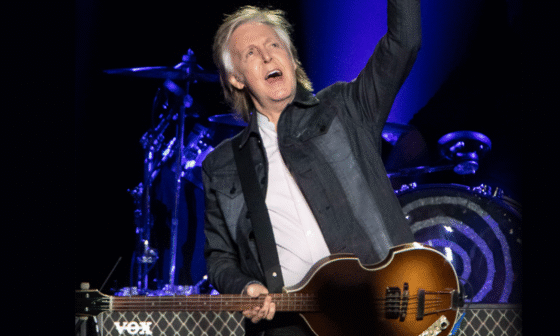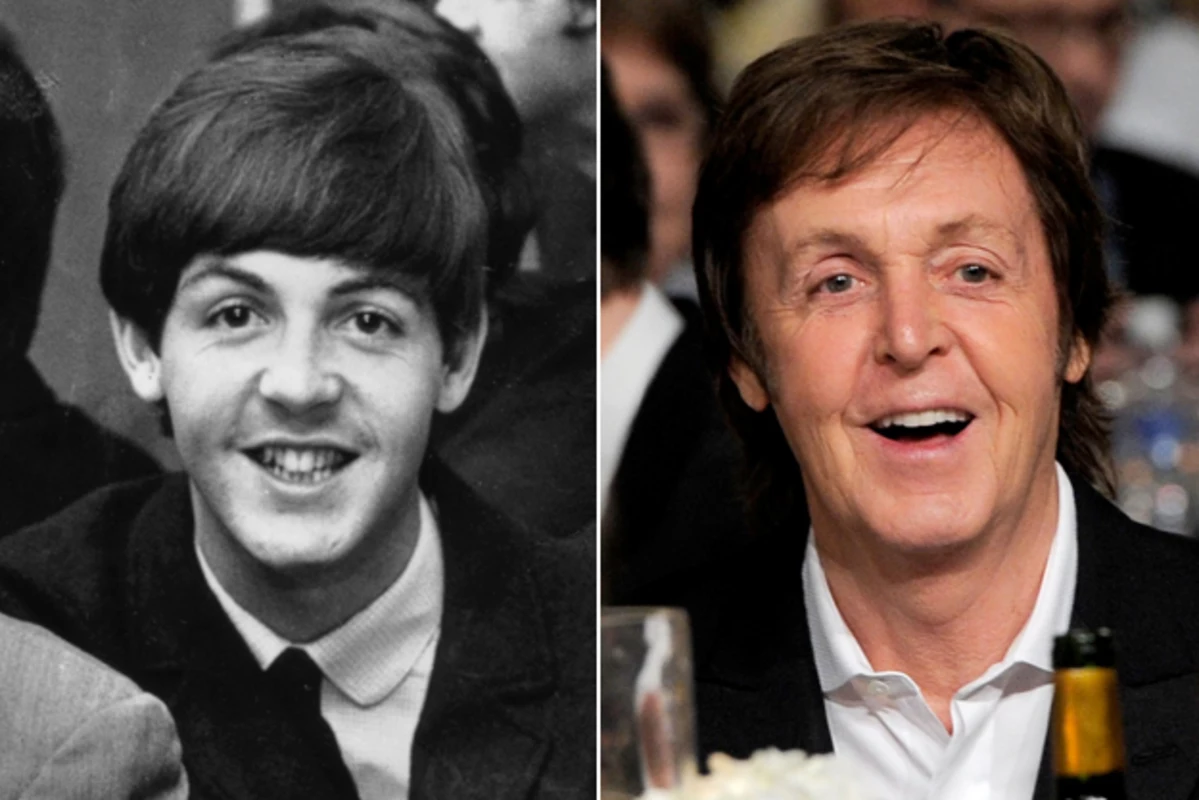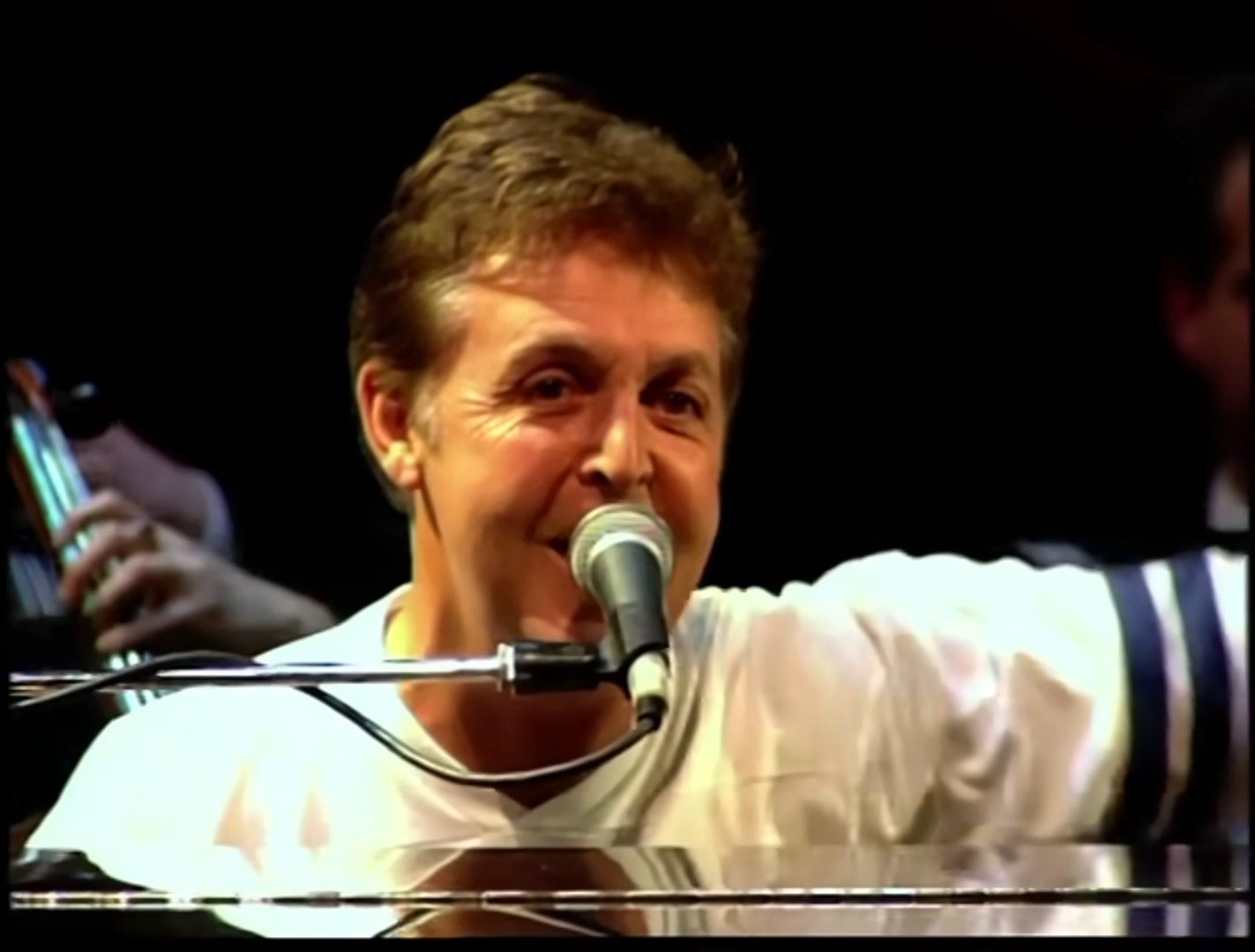
For decades, Paul McCartney has been synonymous with musical greatness. From the early days of The Beatles to a solo career that continues to evolve, his name is often placed alongside the most celebrated artists in history. But today, as he is recognized among the most influential figures of his time, the conversation is shifting beyond music itself.
Because McCartney’s impact was never just about the songs.
Of course, the catalog speaks for itself—melodies that have become part of everyday life, lyrics that have crossed generations, and performances that continue to fill arenas. Yet what makes his influence so enduring is not simply the scale of his success, but the way his work connects to something deeper and more personal.

At the heart of McCartney’s legacy is storytelling. Whether writing about love, loss, or the quiet details of daily life, he has consistently found ways to translate human experience into music. His songs don’t just entertain—they reflect moments people recognize in their own lives. That ability to stay emotionally relevant, even as decades pass, is part of what keeps his work alive.
But influence is also about presence, and McCartney’s has remained remarkably steady. While trends have come and gone, he has never relied on reinvention for its own sake. Instead, he has moved forward with a sense of continuity, allowing his music to evolve naturally while staying grounded in authenticity.
This consistency has shaped how newer generations understand longevity in music. For many artists, relevance can feel temporary—something to be chased or reclaimed. McCartney’s career offers a different perspective: that relevance can be sustained by staying connected to what is real, rather than reacting to what is popular.

There is also a quietness to his influence that often goes unnoticed. Unlike artists who dominate headlines through spectacle, McCartney’s presence has rarely depended on attention. He doesn’t need to be the loudest voice in the room to be heard. Instead, his work speaks in a way that feels both immediate and lasting.
That approach has had a ripple effect far beyond his own career. Musicians, songwriters, and fans alike have drawn inspiration not just from what he created, but from how he created it—with patience, discipline, and a clear sense of purpose.
As recognition like this brings renewed focus to his legacy, it also invites a deeper understanding of what influence really means. It’s not just about moments of impact, but about the patterns that form over time. The choices made consistently, the values that remain steady, and the ability to keep creating work that matters.

For McCartney, that story is still unfolding. Even now, his music continues to reach new listeners, proving that influence isn’t fixed in the past—it grows, adapts, and carries forward.
And perhaps that is the real reason behind this recognition.
Not just what he achieved, but how he continues to matter.